Search
Enter at least 3 characters
Practical guidance for renovating and upgrading indoor living spaces.
Updated daily · 16 stories

By Home & Garden Editorial Team · 9 min read
Not every upgrade is a good DIY candidate. Compare skill requirements, safety considerations, permit obligations, and co…
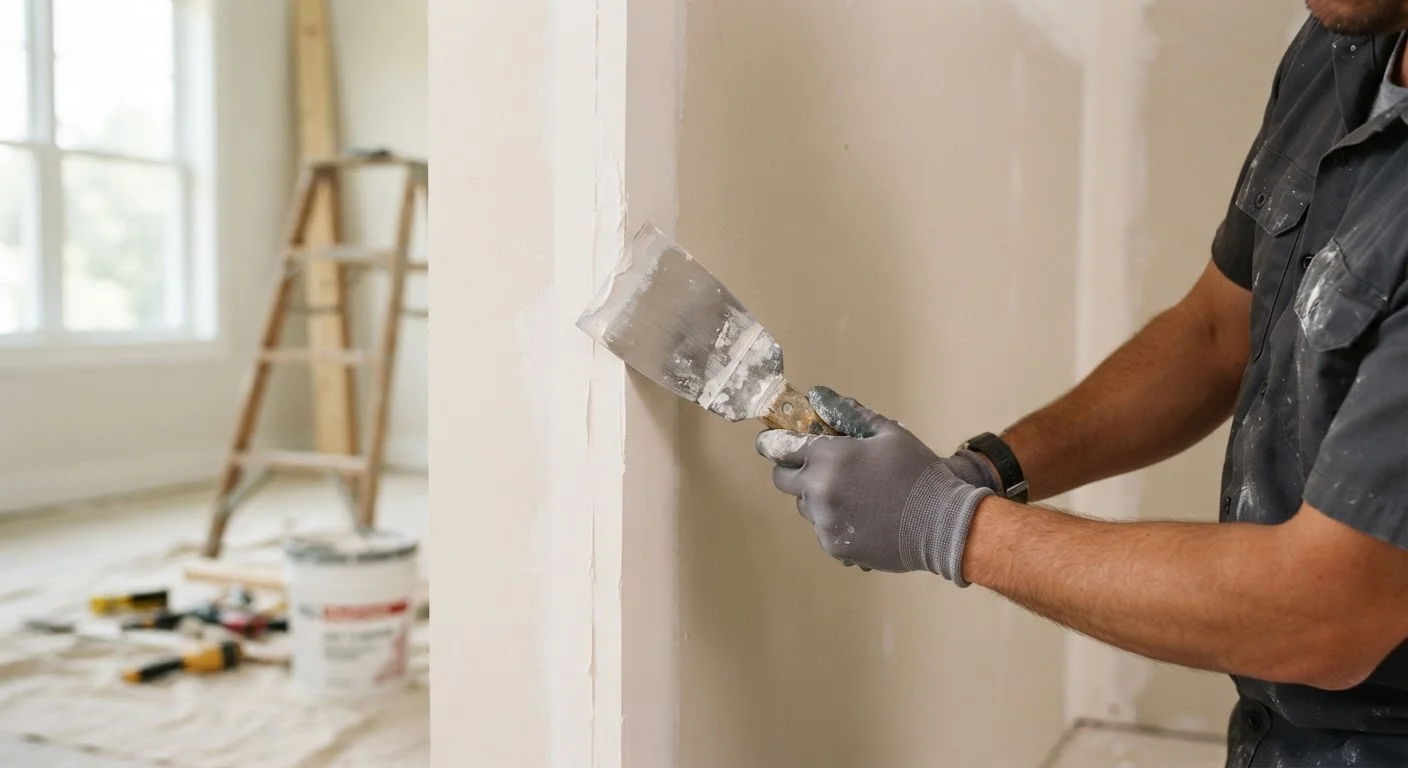
Drywall finishing is graded on a 0–5 scale. Understand what each level means, where it's used, and how to specify the ri…
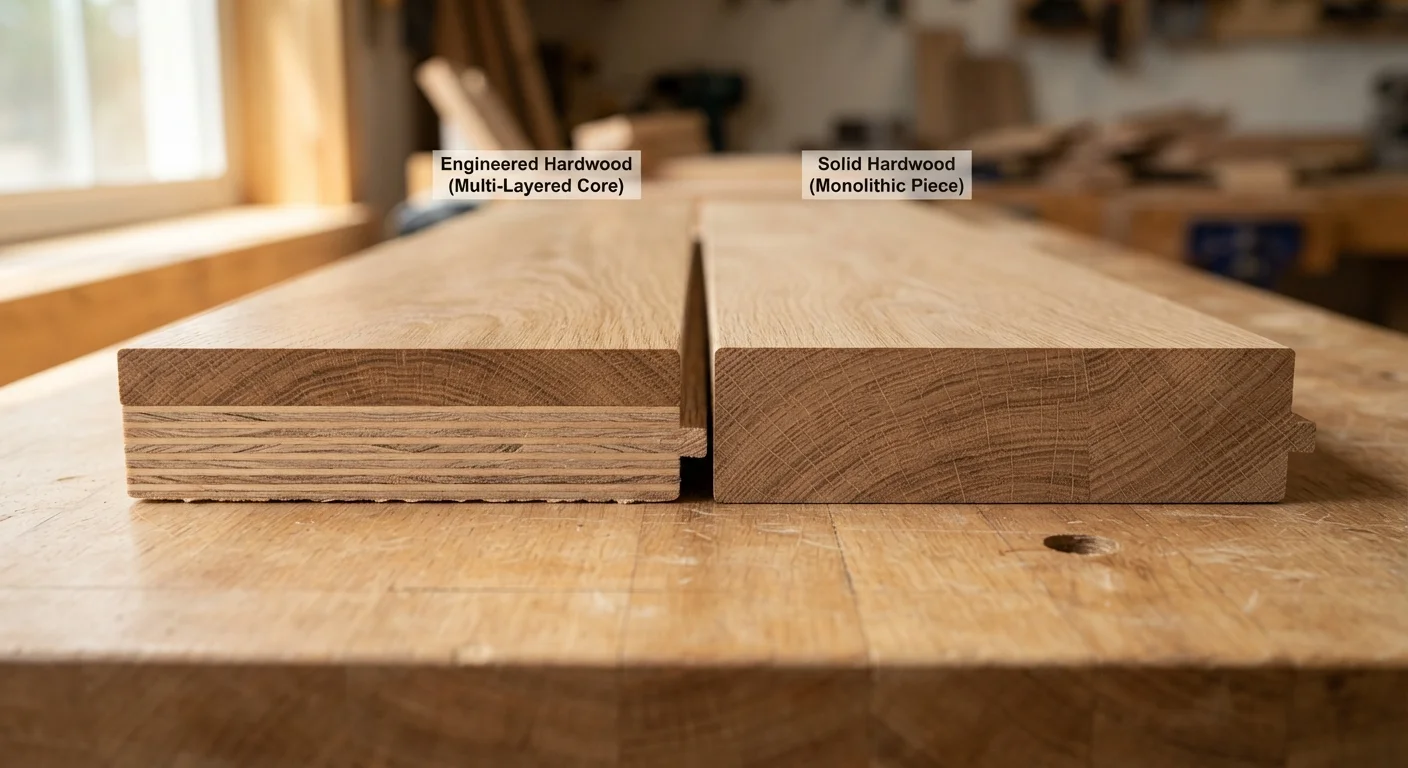
Solid and engineered hardwood look similar but behave very differently. Compare stability, refinishing potential, moistu…
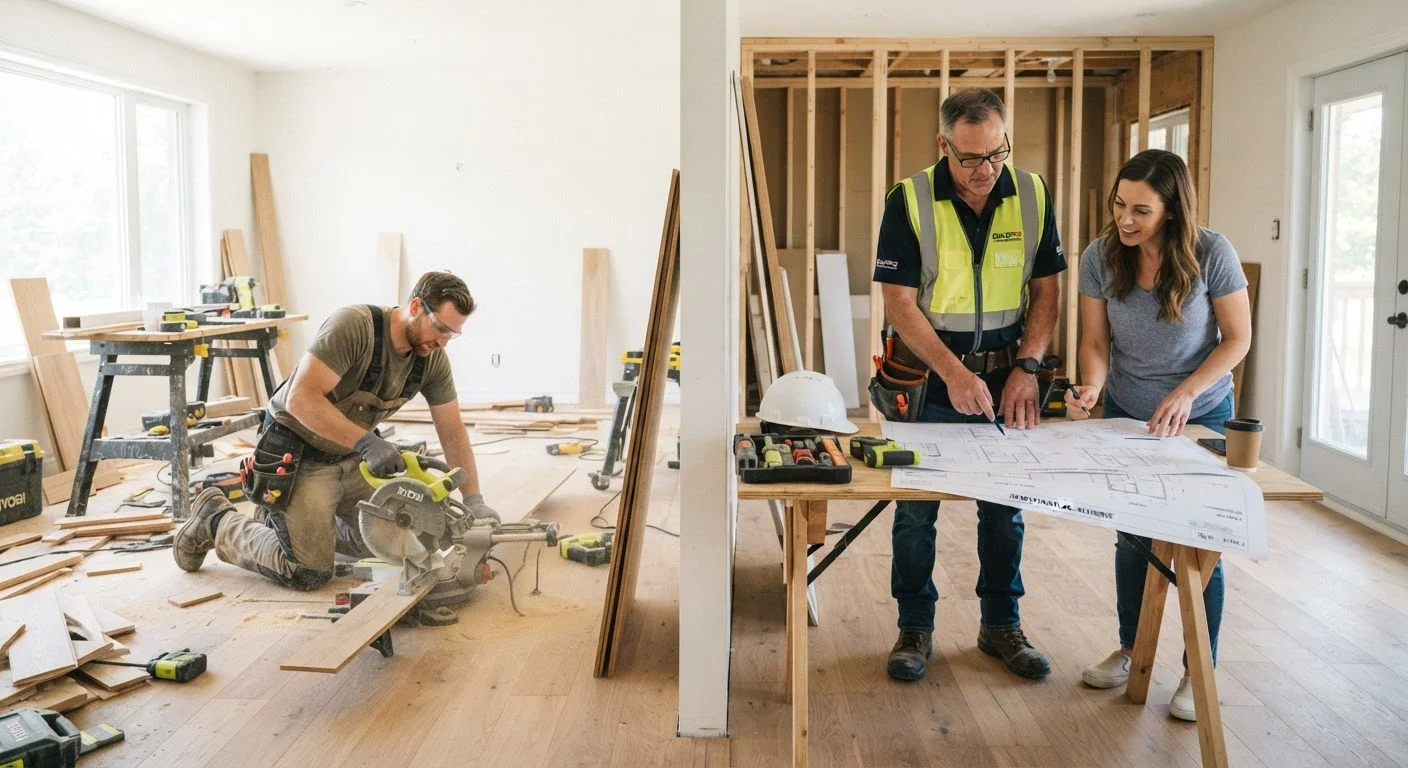
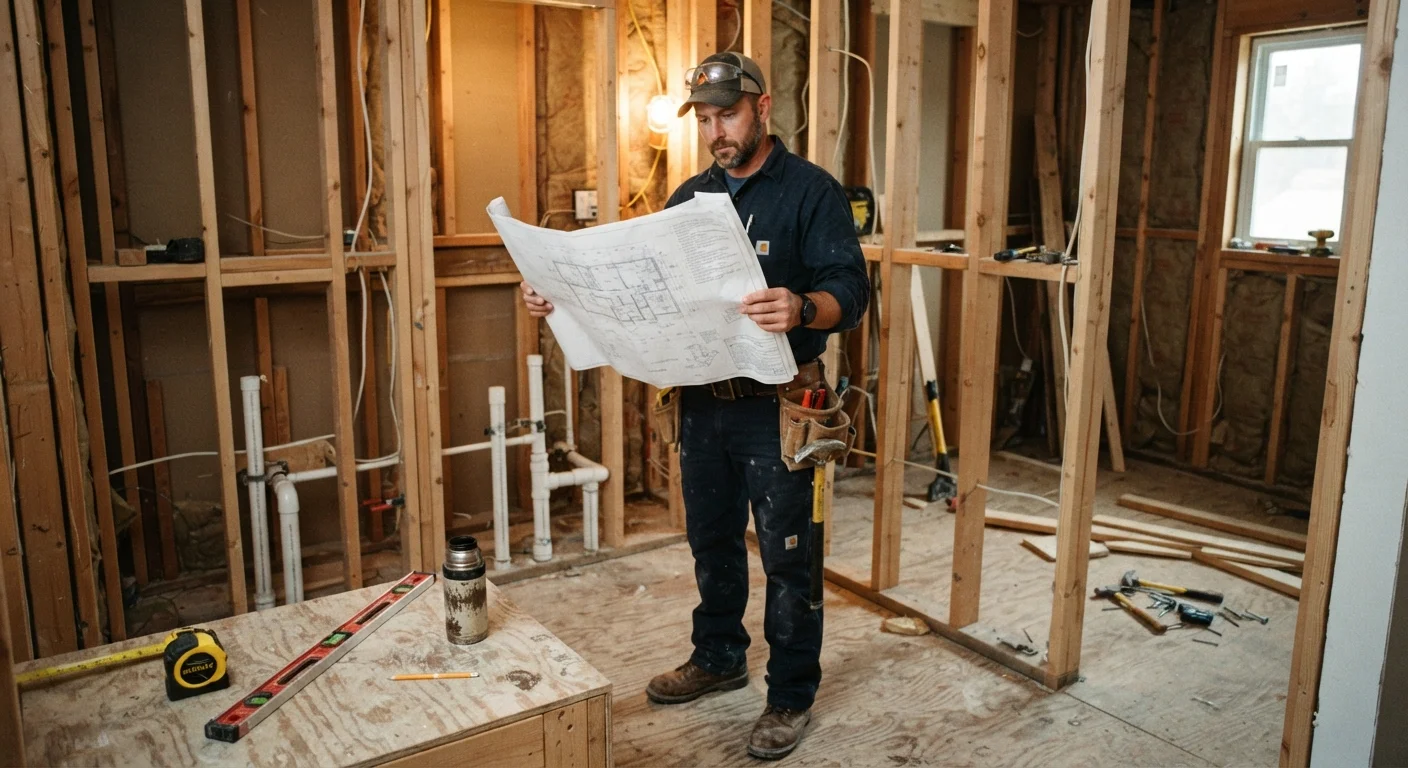
Know what to ask a GC before any contract is signed. This guide covers licensing, insurance, scope of work, payment sche…
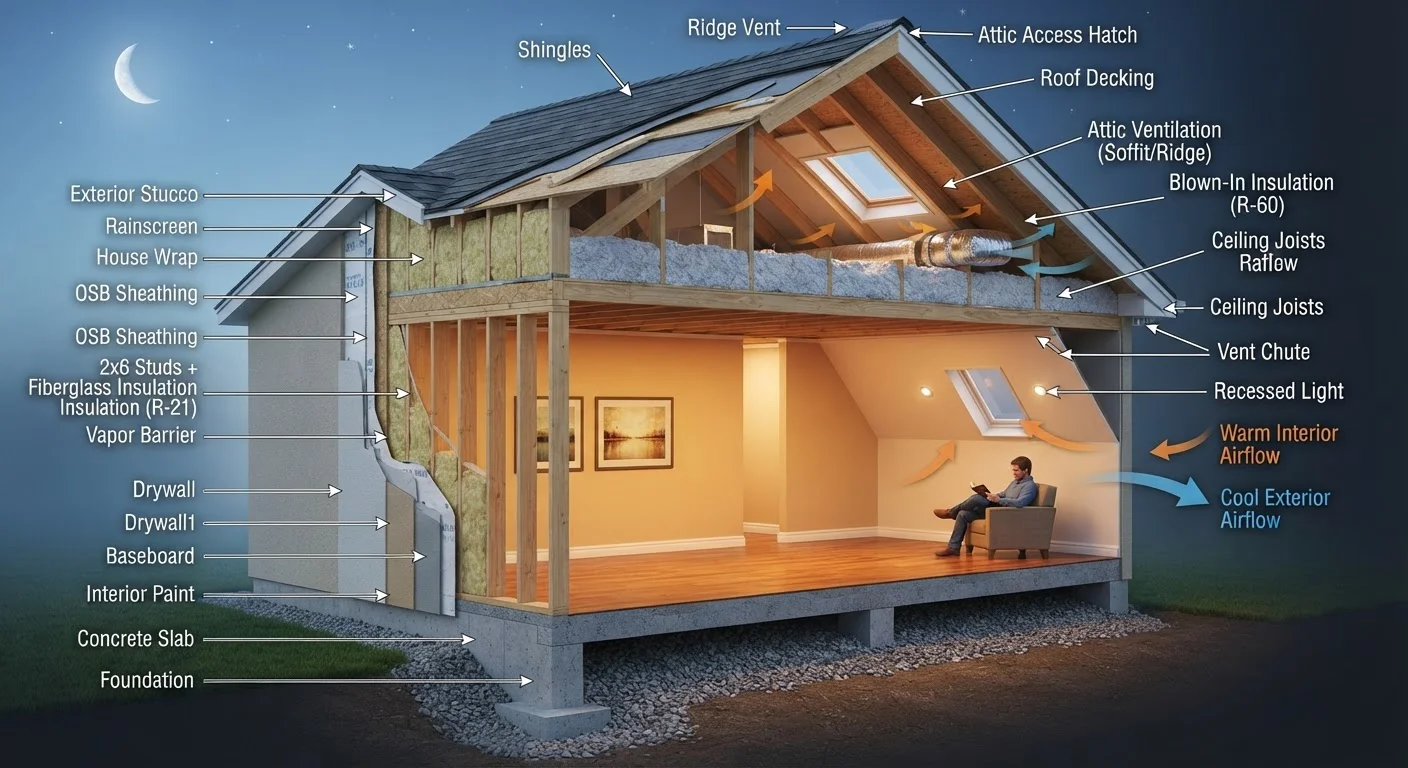
Batts, blown-in, spray foam, and rigid board all serve different roles. A clear breakdown of insulation materials, R-val…
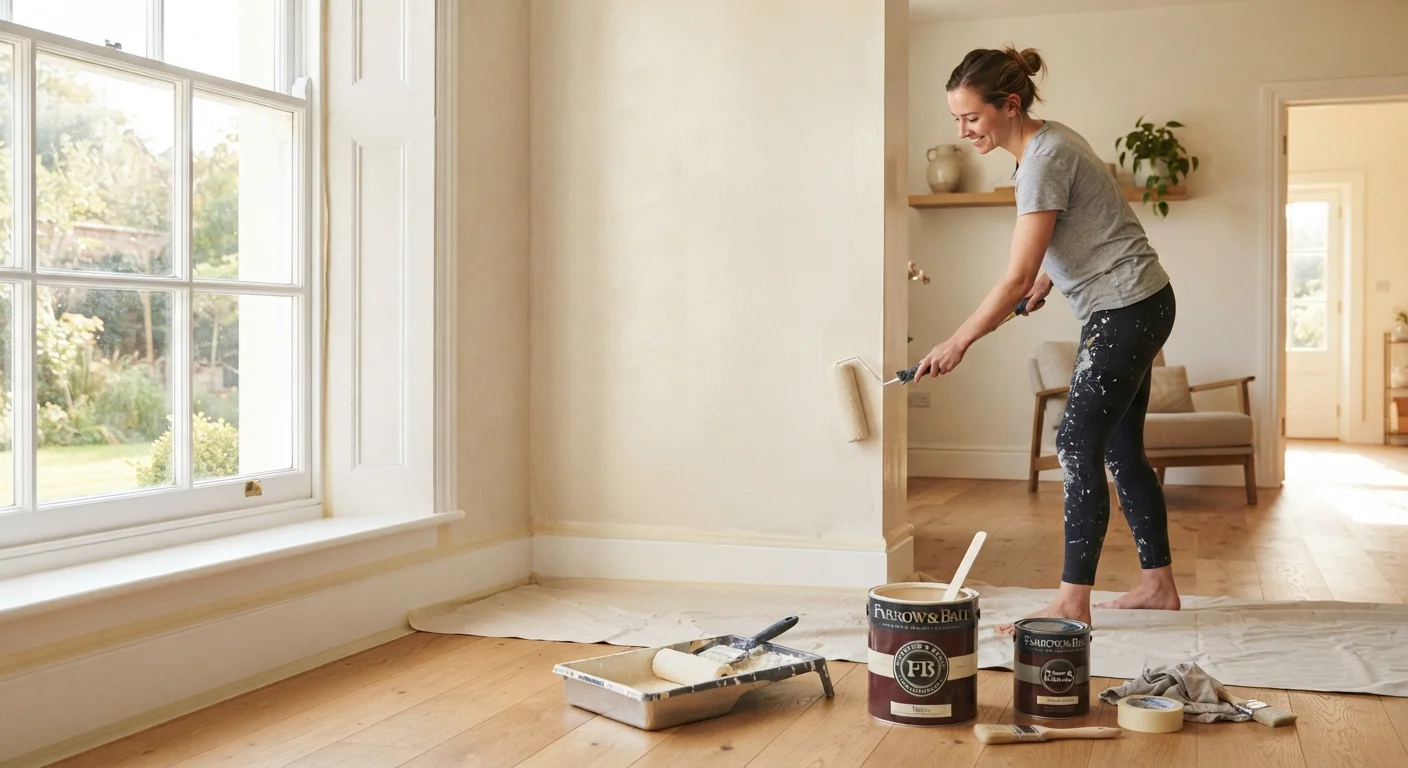
Paint sheen affects durability, washability, and light reflection. Learn how to choose the right finish for kitchens, ba…
Confused about when a permit is required for indoor renovations? Learn which projects typically need approval and how to…
VOC content in interior paint affects indoor air quality during and after application. Understand what the certification…
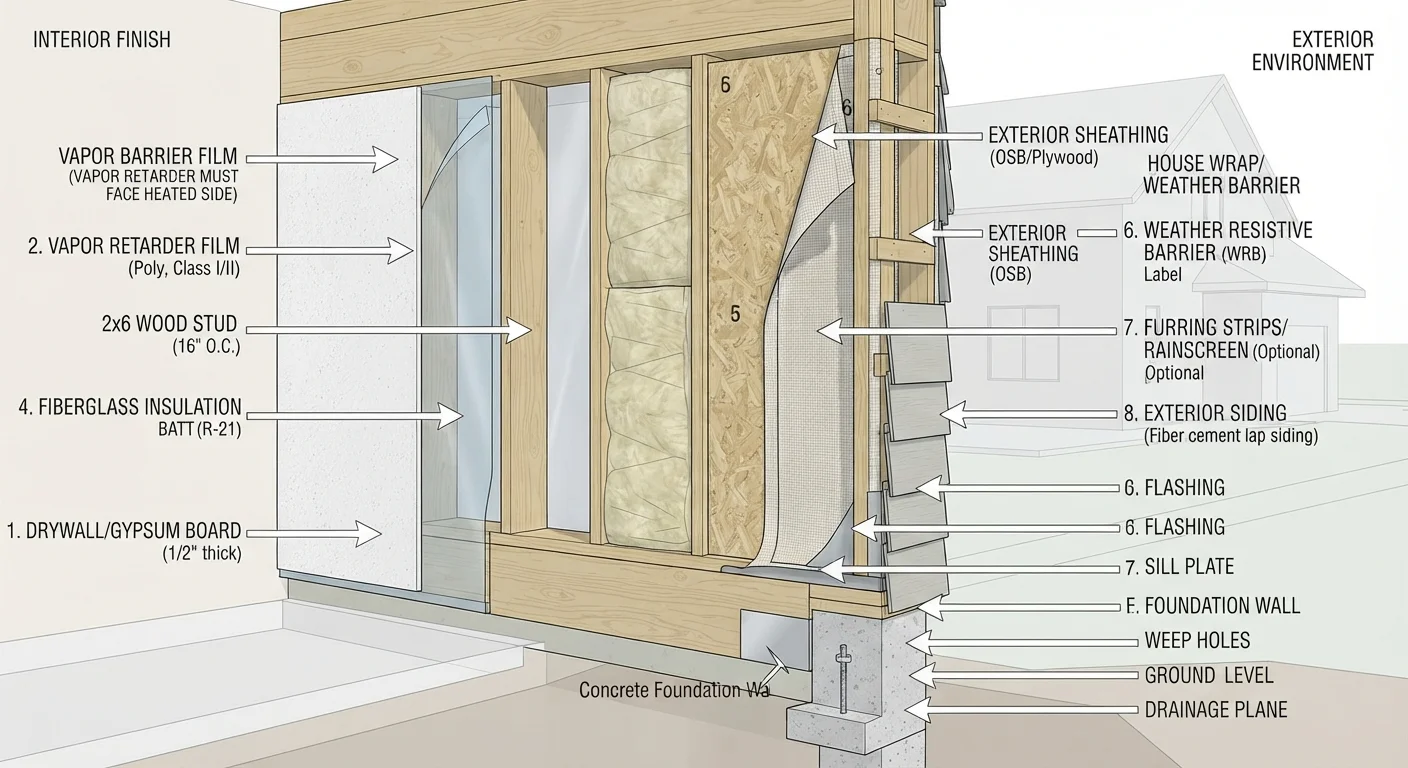
Moisture barrier and vapor retarder are often used interchangeably — but they're not the same thing. Understand the diff…
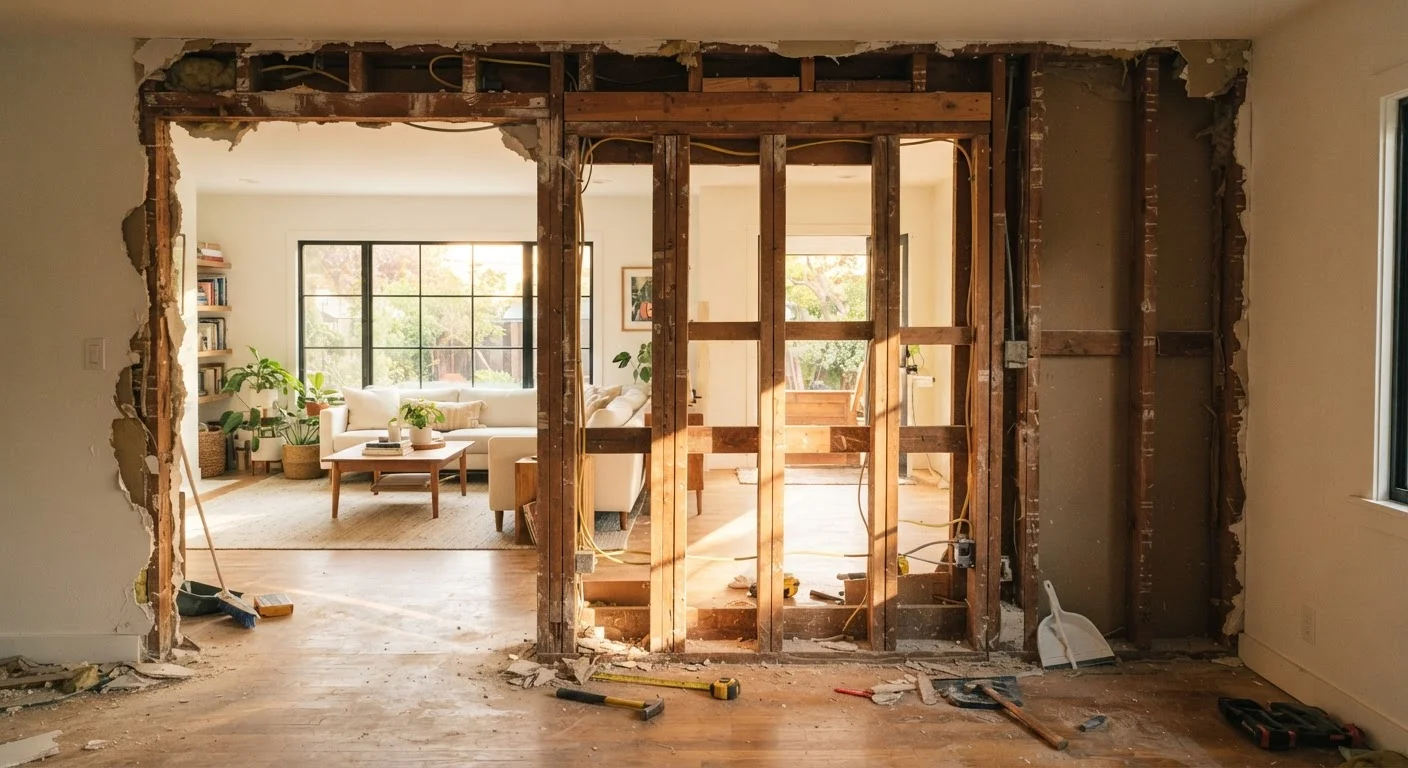
Removing interior walls sounds simple, but load-bearing walls change everything. Here's what structural assessment looks…
Adding a bathroom means rough plumbing, vent stacks, and structural support — not just fixtures. Learn what professional…
A contractor bid can be harder to interpret than it looks. Learn what allowances, exclusions, and cost-plus language act…
Good recessed lighting starts with a deliberate layout. Understand the spacing rules, fixture types, and circuit plannin…
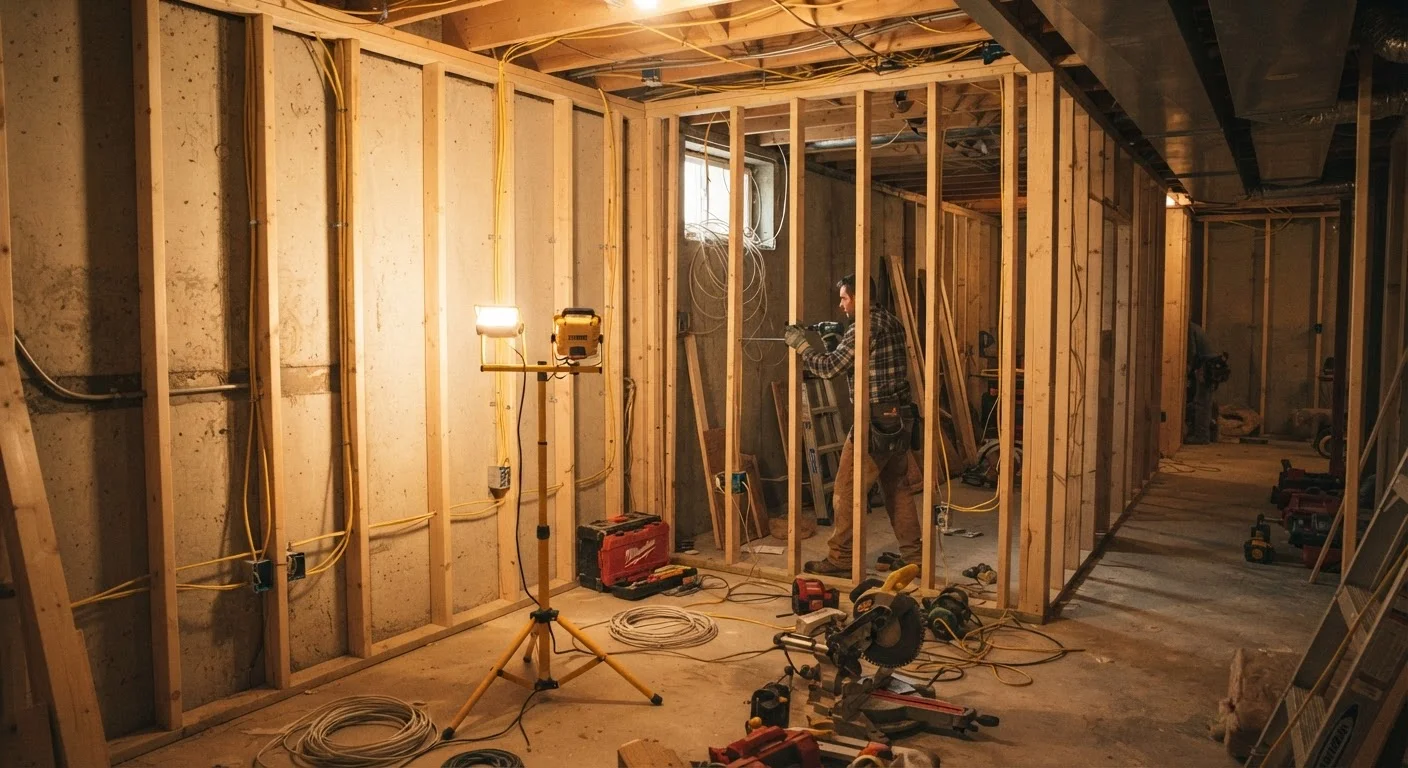
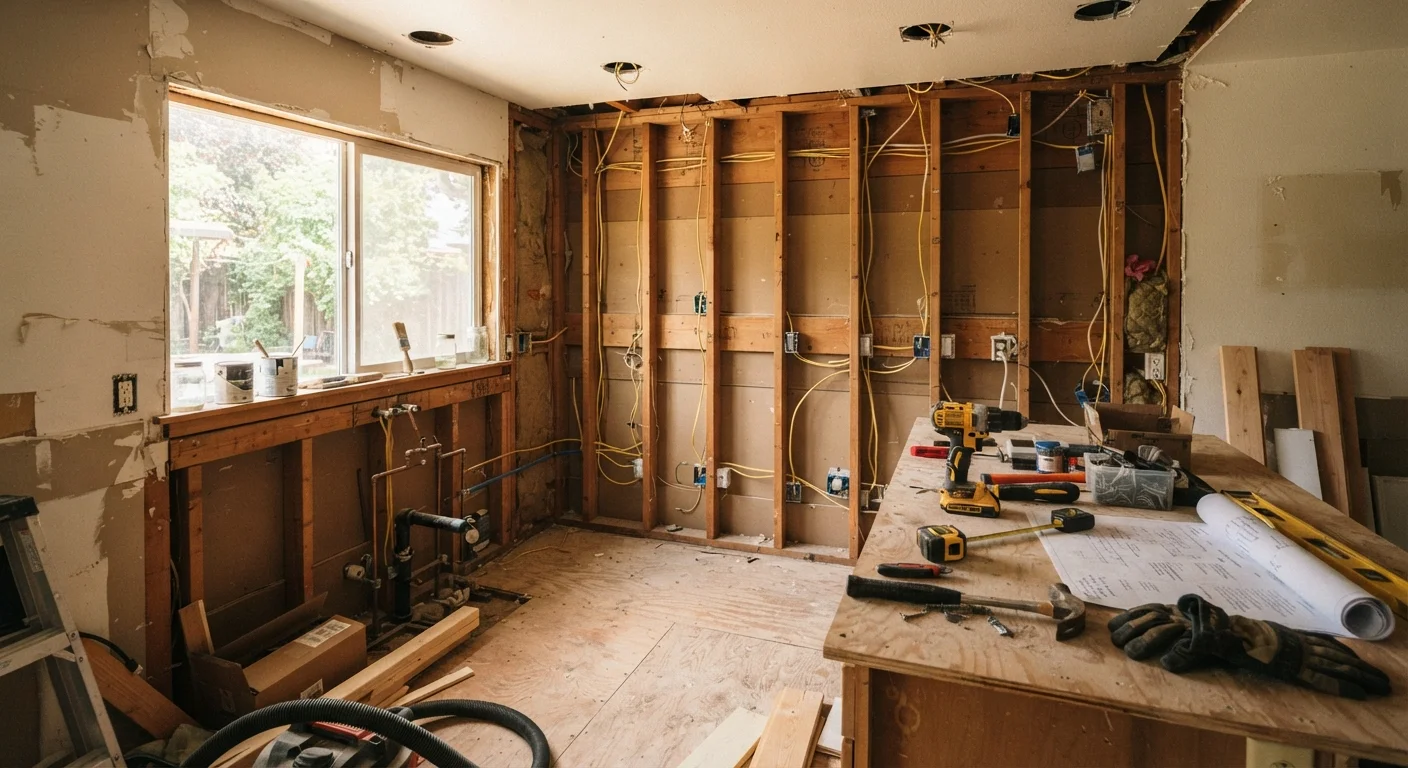
A kitchen renovation involves multiple trades working in a specific order. This end-to-end overview explains every phase…
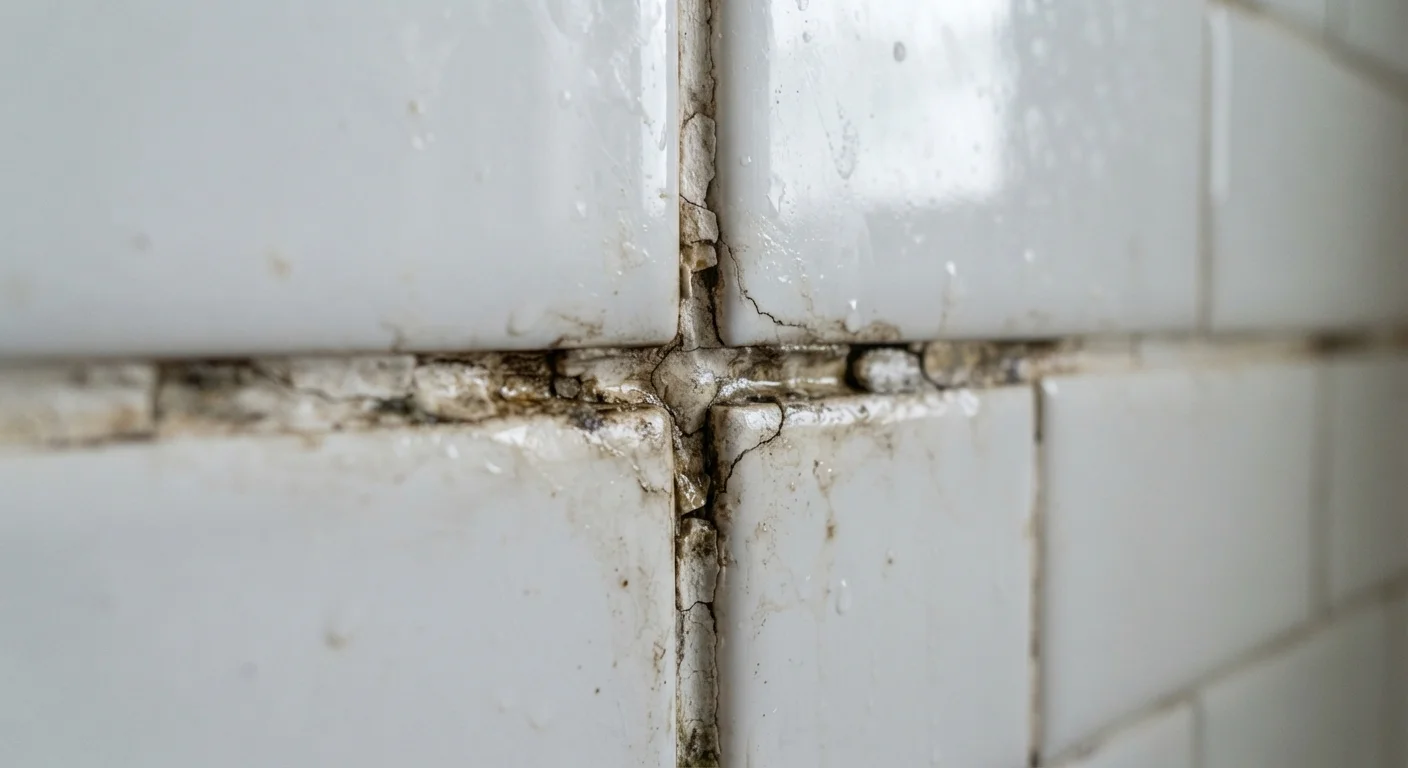
Cracked grout is rarely just cosmetic. Explore the structural and moisture causes behind tile grout failure and the repa…