
Caring for a Dog From Puppy to Senior: What Changes at Each Life Stage
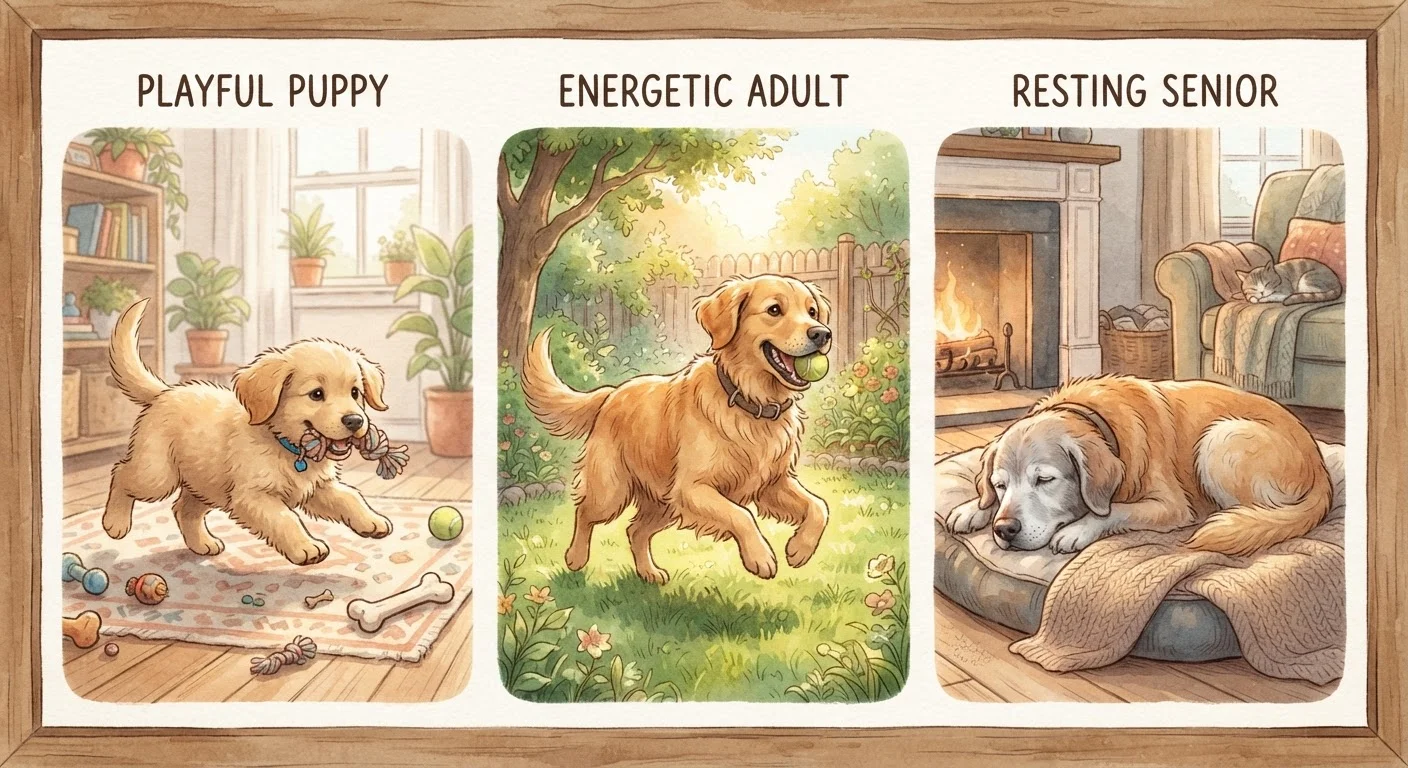
Photo credit: PrimeFaqs.com | Trending And Accurate Content
In this article
A dog's nutritional, exercise, and health needs shift significantly over time. This guide covers what to expect and adjust at every major life stage.
Key Takeaways
- Puppies need frequent, smaller meals and intensive socialization during their first year.
- Adolescent dogs often test boundaries - consistent training during this phase pays long-term dividends.
- Adult dogs benefit from routine and preventive veterinary care to catch issues early.
- Senior dogs typically need lower-calorie diets, gentler exercise, and more frequent vet checkups.
- Coat, weight, and energy level changes at any stage can signal underlying health concerns.
Why Life Stage Matters for Dog Care
A dog's body, brain, and behavior don't stay static - they evolve dramatically from the first weeks of puppyhood through the final years of senior life. The nutrition that fuels a growing eight-week-old puppy is nutritionally mismatched for a seven-year-old dog managing joint stiffness. The exercise routine that keeps a two-year-old Labrador calm becomes exhausting for a twelve-year-old of the same breed.
Understanding these shifts allows owners to adjust care proactively rather than reactively. If you're brand new to dog ownership, the foundational guide to pet ownership offers useful context on what the commitment looks like across a dog's lifetime. This guide builds on that foundation by walking through each major life stage and the specific changes worth making at each one.
56%
U.S. dogs estimated to be overweight or obese
According to Association for Pet Obesity Prevention survey data, more than half of American dogs are above a healthy body weight.
3-14 weeks
Critical puppy socialization window
Veterinary behaviorists widely recognize this developmental period as the most influential for shaping a dog's long-term temperament.
~7 years
Age when most medium-breed dogs enter senior phase
The senior threshold varies by size and breed, with larger dogs typically aging faster than their smaller counterparts.
The Puppy Stage (0-12 Months)
The first year of a dog's life is one of rapid physical and neurological development. Puppies require significantly more calories per pound of body weight than adults, and those calories should come from a diet formulated specifically for puppies - typically higher in protein and fat to support muscle development and organ growth.
Feeding
Most veterinary guidelines recommend feeding puppies three to four times per day during early months, tapering to twice daily around six months. Free-feeding (leaving food out constantly) is generally discouraged, as it makes it harder to monitor appetite changes that could signal illness.
Socialization and Training
Between roughly three and fourteen weeks of age, puppies pass through a critical socialization window. Positive exposure to different people, sounds, environments, and animals during this period shapes their long-term temperament. Missing this window doesn't doom a dog, but it does make later socialization more effortful. The core principles of early training are well worth reviewing before you bring a puppy home.
Veterinary Milestones
Puppies need a series of vaccinations (often called a puppy series), parasite prevention, and typically spaying or neutering, with timing that varies by breed and size. Your veterinarian is the right resource for a personalized schedule.
During the puppy socialization window, prioritize breadth over intensity - brief, calm, positive exposures to new stimuli are more valuable than prolonged or overwhelming ones.
Behavioral veterinarians emphasize that quality of exposure matters more than quantity; a frightening experience during this window can have lasting effects on a dog's temperament.
Ask your vet to demonstrate body condition scoring at your dog's next visit so you can monitor weight changes at home between appointments.
Body condition scoring is a simple, no-cost tool that allows owners to catch gradual weight gain or loss before it becomes a clinical problem.
Adolescence and Early Adulthood (1-3 Years)
Many owners are caught off guard by the adolescent phase in dogs - typically between six months and two years, with variation by breed size. Larger breeds mature more slowly, sometimes remaining in a behavioral adolescence until age three. During this period, dogs often test boundaries, show increased independence, and may regress in previously learned behaviors.
Energy and Exercise
Adolescent dogs usually have high, sometimes relentless energy levels. Daily exercise that matches their breed's activity profile helps manage behavioral issues stemming from under-stimulation. Mental enrichment - puzzle feeders, scent work, structured play - is equally important.
Diet Transition
Around twelve months (later for large and giant breeds, often at eighteen to twenty-four months), most dogs can transition to an adult diet. Making the switch too early can deprive a still-growing dog of needed nutrients; making it too late can contribute to excess calorie intake.
Behavioral Consistency
Consistent reinforcement of household rules during adolescence pays dividends for years. Dogs that receive clear, positive guidance during this phase typically settle into calmer, more predictable adults. Explore the Pet Training & Behavior hub for guidance on managing common adolescent challenges.
Prime Adult Years (3-7 Years)
Once a dog fully matures, their care routine tends to stabilize - but stable doesn't mean static. The adult years are the right time to build habits that will protect long-term health.
Nutrition
Adult dogs generally do well on a complete and balanced diet fed twice daily. Portion control matters: obesity is one of the most common and consequential health issues in adult dogs, linked to joint disease, diabetes, and reduced lifespan. Body condition scoring - a simple visual and tactile assessment your vet can teach you - is a practical tool for monitoring weight.
Coat and Skin Health
A dog's coat is often an underappreciated health indicator. Changes in texture, shine, or shedding patterns can reflect nutritional gaps, hormonal shifts, or skin conditions. Our article on what your dog's coat reveals about their health walks through the key signals to watch for.
Preventive Care
Annual veterinary visits, dental care, parasite prevention, and staying current on appropriate vaccines form the backbone of adult dog wellness. Many conditions - dental disease, early kidney changes, heart murmurs - are far easier to manage when caught early.
The Senior Stage (7+ Years)
The senior threshold varies by size: giant breeds may show aging signs at five or six years, while small breeds often aren't considered senior until eight or nine. Regardless of breed, the senior phase typically brings a gradual shift in physical capability and health needs.
Diet Adjustments
Many senior dogs benefit from a diet lower in calories (to compensate for reduced activity) but maintained or increased in high-quality protein to preserve muscle mass. Some dogs develop conditions - kidney disease, diabetes, pancreatitis - that require specific dietary modifications. Always work with your veterinarian before changing a senior dog's food.
Exercise
Gentler, more frequent shorter walks often serve senior dogs better than long, intense outings. Joint stiffness, arthritis, and reduced cardiovascular endurance are common. Low-impact activities like swimming can maintain fitness without stressing aging joints.
Monitoring Changes
Increased water intake, weight loss or gain, changes in sleep patterns, and shifts in behavior can all be meaningful in a senior dog. The wellness adjustments guide for senior animals covers these changes in depth. Visit the broader Pet Health & Wellness hub for additional resources on monitoring your aging dog.
Veterinary Care at Every Stage
One constant across all life stages is the value of a trusted veterinary relationship. Puppies need frequent early visits; adults benefit from annual wellness exams; seniors often move to twice-yearly checkups to catch age-related changes sooner.
Between visits, owners are often the first to notice something is off - a change in appetite, a lump, unusual fatigue, or a subtle shift in gait. Keeping brief notes or photos over time can help your vet identify patterns that might otherwise go unnoticed in a single appointment.
Life stage care is, ultimately, about attention and adaptation. The dog who needed you to carry them up stairs as a puppy and the dog who needs you to lift them onto the couch as a senior are the same animal - they've simply changed, and so should your approach to their care.
This article is for general informational purposes only and does not constitute veterinary advice. Always consult a licensed veterinarian for guidance specific to your dog's health and medical needs.

Author
Pets & Animals Editorial Team
Pets & Animals Editorial Team is the collective byline for our editorial team and contributor network. Articles published under this byline or an editorial pen name are researched, written, and reviewed according to our editorial standards for clarity, consistency, and independence before publication.
View all articles →