
Brake Wear: The Warning Signs That Shouldn't Wait for the Next Inspection
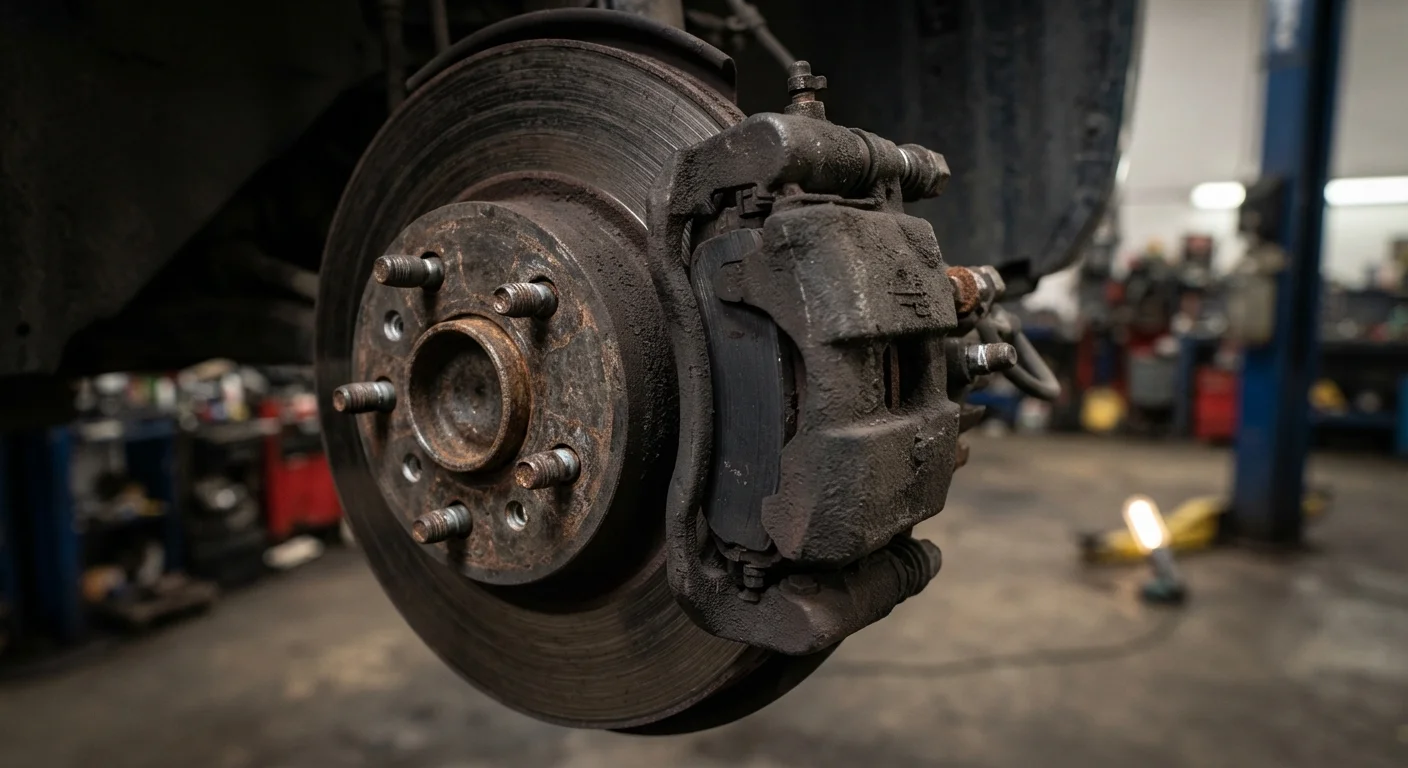
Photo credit: PrimeFaqs.com | Trending And Accurate Content
In this article
Squealing, grinding, and pulling are signs your brakes need attention. Learn what these symptoms indicate and when to see a mechanic.
Key Takeaways
- Squealing, grinding, and pulling are warning signs that warrant immediate mechanic attention.
- Delaying brake repairs often turns a minor pad replacement into a costly rotor or caliper job.
- Brake warning lights and a spongy pedal are serious symptoms that should never be ignored.
- Annual brake inspections are a minimum - driving conditions may require more frequent checks.
Why Brake Warnings Demand Prompt Action
Your brakes are the single most important safety system on your vehicle. Unlike a burned-out interior light or a sluggish window motor, a brake problem can become dangerous in the span of a single stop. Yet many drivers fall into the habit of scheduling everything around a fixed service interval - waiting months after a warning sign first appears.
Brake components wear gradually, which makes it easy to normalize subtle changes in how the pedal feels or how the car sounds. That gradual progression is exactly what makes early warning signs so important to recognize. By the time braking becomes noticeably compromised, significant - and often expensive - damage may already have occurred.
This article walks through the most common mistakes drivers make when brake wear signals appear, and what to do instead. For a broader look at vehicle longevity, see our guide to keeping a high-mileage car reliable.
Waiting for the next scheduled service after a squealing sound begins.
Why it happens: Drivers assume fixed service intervals - often every 6 or 12 months - are the appropriate trigger for brake attention, regardless of what the car is communicating.
Dismissing grinding sounds as road noise or debris.
Why it happens: Occasional road noise is common, so drivers sometimes rationalize persistent grinding as environmental rather than mechanical.
Ignoring one-sided pulling during braking.
Why it happens: Subtle pulling can feel like road camber or wind, and drivers often adapt their steering input to compensate rather than investigating.
Topping off brake fluid without addressing why it's low.
Why it happens: Low brake fluid looks like a simple fix - add fluid, problem solved. Drivers may not realize that dropping fluid levels often indicate worn pads pushing fluid back into the reservoir, or a leak.
Continuing to drive normally after the brake warning light illuminates.
Why it happens: Warning lights are common enough that many drivers have learned to tolerate them, particularly if the car still appears to stop adequately.
Reading the Warning Signs Correctly
Each brake symptom points to a specific type of wear or failure. Understanding the connection helps you communicate clearly with a mechanic and make informed decisions about urgency.
~20%
Brake-related crashes involving worn or failed components
The National Highway Traffic Safety Administration has attributed approximately 20% of vehicle crash involvement linked to mechanical failure to brake-related issues.
2-3x
Cost increase when rotor damage accompanies worn pads
Industry repair data consistently shows that allowing pads to wear into metal-on-metal contact can multiply total brake repair costs two to three times compared to a pad-only replacement.
- Squealing or squeaking: Most brake pads include a small metal wear indicator - a tab designed to contact the rotor and produce a high-pitched sound when pads are near the end of their service life. This is a deliberate warning, not a random noise.
- Grinding: A grinding sensation or sound typically means pad material has worn through completely and metal is contacting metal. This is a more urgent situation - rotors can be damaged rapidly at this stage.
- Pulling to one side: If your vehicle drifts left or right under braking, a caliper may be sticking, or brake pads may be wearing unevenly. This can also indicate a hydraulic imbalance in the brake system.
- Spongy or soft pedal: A pedal that sinks lower than normal or feels mushy often signals air in the brake lines or a problem with brake fluid - both of which affect hydraulic pressure and stopping ability.
- Brake warning light: Modern vehicles monitor brake pad wear electronically in some configurations. If the brake warning light illuminates, check the parking brake first - if that's not the cause, have the system inspected promptly.
If you're preparing for a long road trip, brake condition should be part of your pre-departure check. Our road-trip safety checklist covers this and other critical items.
Brake Failure Can Happen Suddenly
Brake problems rarely announce themselves dramatically - they build gradually and then worsen quickly under stress. A vehicle that stops adequately in normal driving may perform very differently in an emergency stop situation when components are worn. Do not use the absence of a close call as evidence that your brakes are fine. Act on warning signs early.
When to DIY and When to Stop Driving
Checking brake pad thickness visually through the wheel spokes is a legitimate first step for an attentive owner - many pads have a visible wear groove or minimum thickness line. However, brake repair itself involves hydraulic systems, high-temperature components, and precise torque specifications. Most brake jobs fall into the category of tasks best handled by a qualified mechanic.
Our guide to DIY car maintenance breaks down where home mechanics can safely contribute and where the risk isn't worth it. For brake issues involving grinding, a soft pedal, or warning lights, driving to a shop - rather than continuing normal use - is the safer choice. If in doubt, call a mechanic before driving further.
Ignored brake symptoms frequently escalate. What starts as a pad replacement can become a rotor resurfacing or replacement job, and in some cases caliper damage as well. The most expensive repairs are usually deferred small ones. Addressing brake wear at the first warning is almost always the more economical path.

Author
Automotive Basics Editorial Team
Automotive Basics Editorial Team is the collective byline for our editorial team and contributor network. Articles published under this byline or an editorial pen name are researched, written, and reviewed according to our editorial standards for clarity, consistency, and independence before publication.
View all articles →