
Car Fluids Explained: What Each One Does and Why Running Low Is a Problem
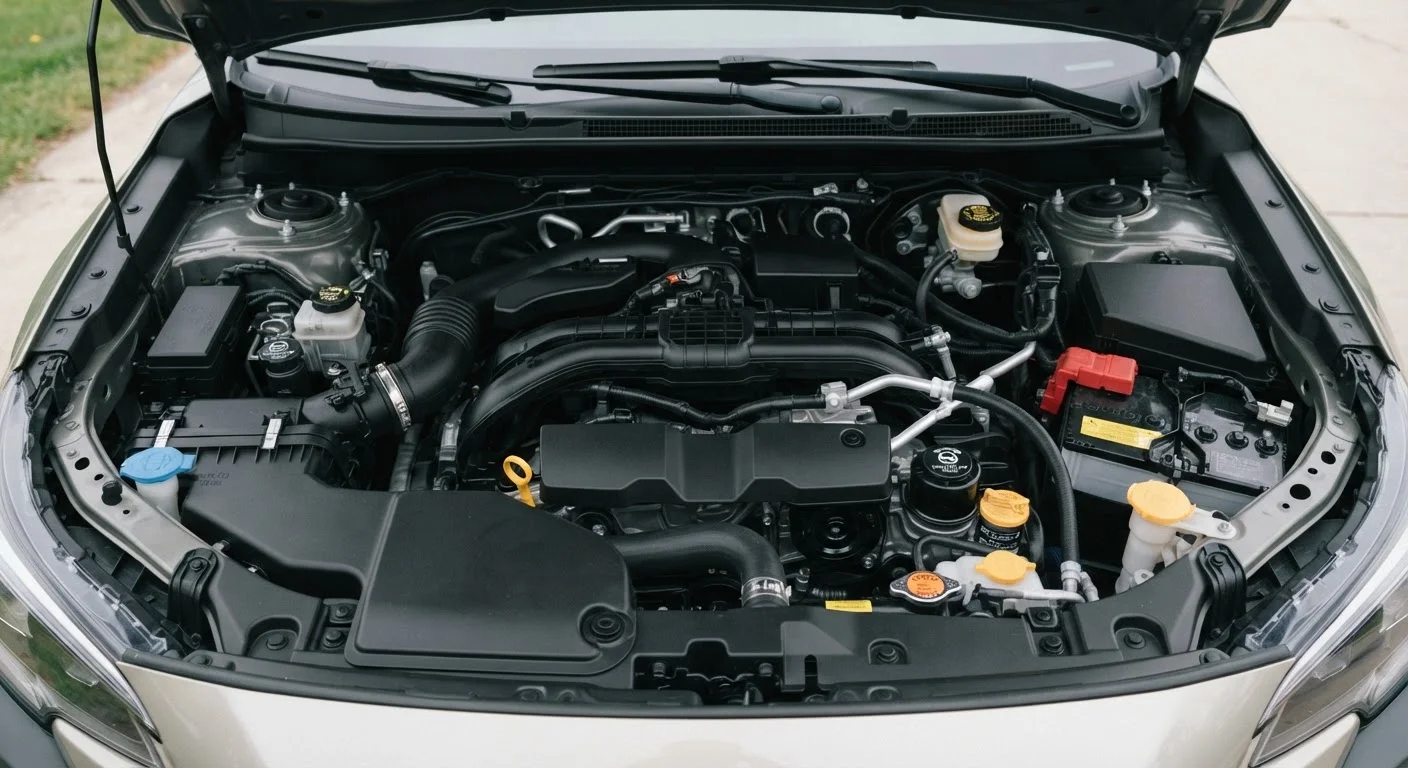
Photo credit: PrimeFaqs.com | Trending And Accurate Content
Engine oil, coolant, brake fluid, and more — learn what each vehicle fluid does and what happens when levels drop too low.
The Six Fluids Every Driver Should Know
Your vehicle depends on a set of fluids working in parallel to keep its systems lubricated, cooled, pressurized, and clean. Running low on any one of them doesn't just cause minor inconvenience - it can trigger cascading failures that turn a $20 top-off into a $2,000 repair. Here's what each fluid does and why the level matters.
| Number of essential vehicle fluids | 6-7 (varies by vehicle type) |
| Engine oil change interval (general guideline) | Every 5,000-7,500 miles for conventional oil; up to 10,000+ for full synthetic (Consult your owner's manual for your specific vehicle) |
| Coolant flush interval (typical) | Every 30,000-50,000 miles or every 2-5 years (Varies by vehicle; verify with manufacturer guidelines) |
| Brake fluid type most common in U.S. vehicles | DOT 3 or DOT 4 glycol-based fluid |
| Power steering fluid check frequency | Inspect at every oil change |
| Windshield washer fluid | Top off as needed; use rated fluid for cold climates |
Engine Oil
Engine oil lubricates the dozens of moving metal parts inside your engine, reducing friction and carrying heat away from components that would otherwise grind against each other. Low oil means metal-on-metal contact, accelerated wear, and - in severe cases - a seized engine. Check the dipstick monthly and change oil on the interval your manufacturer specifies. For a broader view of how this fits into routine care, see the first-time owner's maintenance orientation.
Coolant (Antifreeze)
Coolant circulates through the engine and radiator, absorbing heat and preventing both overheating in summer and freezing in winter. Running low causes the engine temperature to spike, which can warp cylinder heads or blow a head gasket - repairs that often exceed $1,500. Coolant also degrades chemically over time, losing its corrosion inhibitors, which is why periodic flushes matter as much as maintaining the level. Cold weather especially stresses your cooling system, so check levels before temperatures drop.
Brake Fluid
Brake fluid transmits the force from your foot on the pedal through the hydraulic lines to your brake calipers. It must remain incompressible to work correctly. Because brake fluid is hygroscopic - meaning it absorbs moisture from the surrounding air over time - its boiling point drops as water content rises. Overheated, moisture-laden brake fluid can vaporize under hard braking, causing a spongy pedal or sudden brake fade. Low levels can also signal a leak or worn brake pads, both of which require immediate professional attention.
Transmission Fluid
Transmission fluid lubricates and cools the gears and clutch packs inside your transmission (automatic or manual). Low or degraded transmission fluid leads to rough shifting, slipping gears, and eventually transmission failure - one of the most expensive repairs a vehicle can need. Many modern vehicles have a sealed transmission with no dipstick, so consult a mechanic or your owner's manual for the correct inspection procedure.
Power Steering Fluid
In vehicles with hydraulic power steering (not electric), this fluid pressurizes the system that makes turning the wheel effortless. A whining noise when turning or stiff steering are common signs of low fluid. Running the pump dry accelerates wear rapidly. Note that many newer vehicles use electric power steering and have no fluid reservoir at all.
Windshield Washer Fluid
While not mechanical, washer fluid directly affects visibility and therefore safety. Plain water can freeze in the lines during cold weather or promote mold growth. Use a rated washer fluid appropriate for your climate.
How to Stay Ahead of Fluid Problems
Most fluid problems are preventable with simple, consistent habits. The goal is to catch low levels or degraded fluid before they cause damage - not after a warning light appears.
Always Check Your Owner's Manual First
Every vehicle has specific fluid type requirements - using the wrong grade of oil, coolant, or transmission fluid can cause damage. Your owner's manual lists the exact specifications for your year, make, and model. See our guide on how to use your owner's manual to find the right specs quickly.
Build a Checking Routine
Under-hood checks take less than five minutes and are most accurate when the engine is cool and the vehicle is parked on a level surface. Engine oil and coolant are the two most critical to monitor between service visits. Brake fluid and transmission fluid change slowly enough that verifying them at each oil change is usually sufficient.
Know What Healthy Fluid Looks Like
- Engine oil: Amber to dark brown on the dipstick; black and gritty means it's overdue for a change.
- Coolant: Green, orange, or pink depending on type; milky or rusty appearance signals contamination.
- Brake fluid: Clear to light yellow; dark brown indicates moisture absorption and degradation.
- Transmission fluid: Bright red and slightly sweet-smelling when fresh; dark brown or burnt-smelling means it needs service.
When a Mechanic Is the Right Call
Topping off fluids is something most drivers can handle safely. However, if a fluid level drops repeatedly between checks, that indicates a leak or internal consumption that needs professional diagnosis. Brake fluid loss in particular should never be self-diagnosed - have a qualified mechanic inspect the hydraulic system. Skipping that step is exactly the kind of oversight covered in our guide on maintenance gaps that lead to expensive repairs.
For a structured approach to keeping all these checks on schedule throughout the year, the seasonal car maintenance checklist is a practical companion to this reference guide.
~40%
Of engine wear occurs at cold start
A significant portion of engine wear happens in the first moments after startup when oil has not yet fully circulated - underscoring why maintaining proper oil level matters.
2 years
Typical brake fluid moisture absorption window
Brake fluid is hygroscopic, meaning it absorbs moisture from the air over time; most manufacturers recommend inspection or replacement every one to two years.

Author
Automotive Basics Editorial Team
Automotive Basics Editorial Team is the collective byline for our editorial team and contributor network. Articles published under this byline or an editorial pen name are researched, written, and reviewed according to our editorial standards for clarity, consistency, and independence before publication.
View all articles →