
Car Maintenance From the Ground Up: A First-Time Owner's Orientation
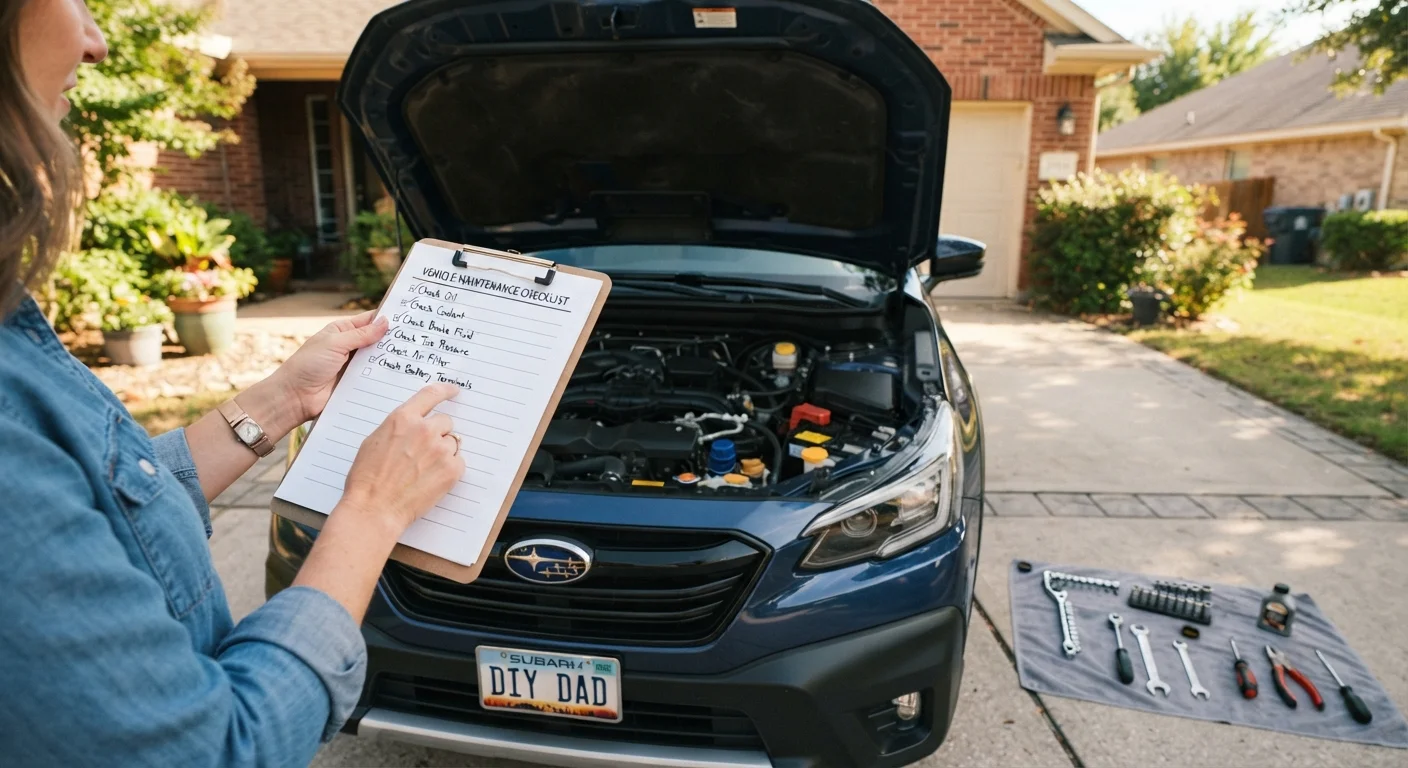
Photo credit: PrimeFaqs.com | Trending And Accurate Content
In this article
New to owning a vehicle? This plain-language introduction covers every core maintenance task, how often it's needed, and why it matters.
Key Takeaways
- Consistent small services prevent the costly failures that sideline vehicles for days or weeks.
- Every vehicle has a manufacturer-recommended maintenance schedule found in the owner's manual.
- Five fluids - oil, coolant, brake fluid, transmission fluid, and power steering fluid - need regular monitoring.
- Tires, brakes, and air filters are the mechanical items most directly tied to safety.
- Some tasks are safe for owners to learn; others require a qualified mechanic and proper tools.
Why Routine Maintenance Is Non-Negotiable
A car is one of the most complex pieces of equipment most people own - and one of the most expensive to repair when neglected. Routine maintenance is not about being mechanically gifted; it is about understanding that small, timely actions keep larger, costlier problems from developing.
Think of it this way: an oil change that costs under $100 protects an engine that costs thousands to replace. A $20 cabin air filter swap preserves an HVAC system that is far more expensive to service when clogged. If you are also managing ownership costs for the first time, the recurring expenses that catch new owners off guard article can help you budget realistically. The return on preventive maintenance is consistently high - and the alternative is avoidable.
Your Glovebox Has the Answers
Before researching generic maintenance advice online, check your owner's manual first. It contains fluid specifications, service intervals, and tire pressure values calibrated to your exact vehicle. Generic recommendations often differ from what your manufacturer actually specifies, and those differences matter for warranty and long-term reliability.
The Core Fluids Every Driver Should Know
Your vehicle depends on several fluids to protect metal parts, transfer heat, and transmit mechanical force. These five are the ones every owner should be able to identify and monitor:
- Engine oil: Lubricates moving parts and carries heat away from the engine. Check the level monthly using the dipstick with the engine off and cooled.
- Coolant (antifreeze): Regulates engine temperature. Check the overflow reservoir level - never open the radiator cap when the engine is hot.
- Brake fluid: Transfers the force of your foot on the pedal to the brake components. Low or dark fluid signals that service is needed.
- Transmission fluid: Keeps gears shifting smoothly. Many modern vehicles have a sealed transmission; check your manual to know whether yours is user-accessible.
- Power steering fluid: Assists steering effort in vehicles with hydraulic systems. Electric power steering systems do not use this fluid.
Always use the fluid grade and type specified in your owner's manual. Using the wrong product - for example, the wrong oil viscosity - can reduce protection rather than provide it.
Oil viscosity
A rating that describes how thick or thin engine oil is and how it flows at different temperatures. Common ratings like 5W-30 indicate how the oil behaves when cold (the '5W') and when hot (the '30').
Brake rotor
The large metal disc that a brake caliper squeezes against to slow the wheel. Rotors wear down over time, especially when brake pads are allowed to wear through completely.
Tread depth
The measurement of the grooves in a tire's surface. Adequate tread depth channels water away from the contact patch and prevents hydroplaning on wet roads.
Coolant flush
A service in which the old coolant is drained and replaced with fresh fluid. Over time, coolant degrades and loses its ability to prevent corrosion inside the cooling system.
ASE certification
A credential issued by the National Institute for Automotive Service Excellence indicating that a technician has passed standardized competency tests in specific areas of vehicle repair.
Cabin air filter
A replaceable filter that cleans dust, pollen, and debris from air entering the passenger compartment through the heating and air conditioning system.
Timing belt
A rubber belt that synchronizes the crankshaft and camshaft so the engine's valves open and close at the correct time. If it fails while driving, it can cause severe internal engine damage.
Tires, Brakes, and Filters: The Mechanical Basics
Beyond fluids, three mechanical areas demand regular attention from every driver:
Tires
Tires are your vehicle's only contact with the road, making their condition a direct safety issue. Check tire pressure monthly - the correct PSI is printed on a sticker inside the driver's door jamb, not on the tire sidewall. Have tires rotated approximately every 5,000 to 7,500 miles to even out wear. Inspect tread depth and look for cracks or bulges whenever you check pressure.
Brakes
Brake pads wear gradually and typically give audible warning when they are getting thin - a high-pitched squeal is designed into the pad as an alert. Ignoring that sound risks damage to the brake rotor, which is significantly more expensive to replace than pads alone. If you hear grinding rather than squealing, the pads may already be gone. Have brakes inspected by a qualified mechanic at least annually or any time you notice performance changes.
Air Filters
Your vehicle has two air filters: an engine air filter that protects internal components from dust and debris, and a cabin air filter that cleans air entering the passenger compartment. Engine air filters typically need replacement every 15,000 to 30,000 miles; cabin filters are usually on a similar interval. Both are generally accessible without specialized tools - check your owner's manual for location and interval.
Building Your Maintenance Schedule
The most reliable maintenance schedule is the one in your vehicle's owner's manual - not a generic chart from the internet. Your manual accounts for your specific engine, transmission, and operating conditions. The owner's manual guide explains how to read that schedule if the terminology is unfamiliar.
A practical framework for most drivers looks like this:
- Monthly: Check tire pressure and engine oil level visually.
- Every 5,000-7,500 miles: Oil change (or per manual); tire rotation.
- Every 15,000-30,000 miles: Replace engine and cabin air filters; inspect brakes.
- Every 30,000-60,000 miles: Coolant flush, transmission fluid service, and spark plug replacement - intervals vary widely by vehicle.
Logging services in a notebook or a phone note keeps you accountable and adds value if you ever sell the vehicle. Learn more about the maintenance oversights that lead to expensive repairs so you know exactly what gaps to avoid.
Severe vs. Normal Driving Conditions
Many owner's manuals list two maintenance tracks: one for normal driving and one for 'severe' conditions. Severe conditions include frequent short trips under five miles, stop-and-go city driving, towing, extreme temperatures, or dusty environments. If your driving matches those patterns, the shorter service intervals in the severe schedule apply to you - even if your mileage seems low.
When to DIY and When to Call a Mechanic
Some maintenance tasks are well within reach for attentive owners with basic tools. Others carry real risk of injury or vehicle damage if performed without proper equipment or training.
Tasks Most Owners Can Learn
- Checking and topping off fluids (oil, coolant overflow, washer fluid)
- Replacing wiper blades
- Swapping cabin and engine air filters
- Checking tire pressure and adding air
Tasks Best Left to a Qualified Mechanic
- Brake pad and rotor replacement (requires proper lifting equipment and torque specifications)
- Transmission service
- Timing belt or timing chain replacement
- Any work on the fuel, exhaust, or suspension systems
When selecting a mechanic, look for shops with certified technicians (such as those holding ASE certification), clear written estimates, and a willingness to explain the work performed. You do not need to understand every detail - but a good shop will make reasonable effort to help you understand what was done and why.
For context on what long-term ownership actually demands, the guide to keeping a car past 100,000 miles shows how maintenance habits today shape reliability years from now.
Frequently Asked Questions

Author
Automotive Basics Editorial Team
Automotive Basics Editorial Team is the collective byline for our editorial team and contributor network. Articles published under this byline or an editorial pen name are researched, written, and reviewed according to our editorial standards for clarity, consistency, and independence before publication.
View all articles →