
Understanding Your Owner's Manual: The Most Ignored Document in Your Glovebox
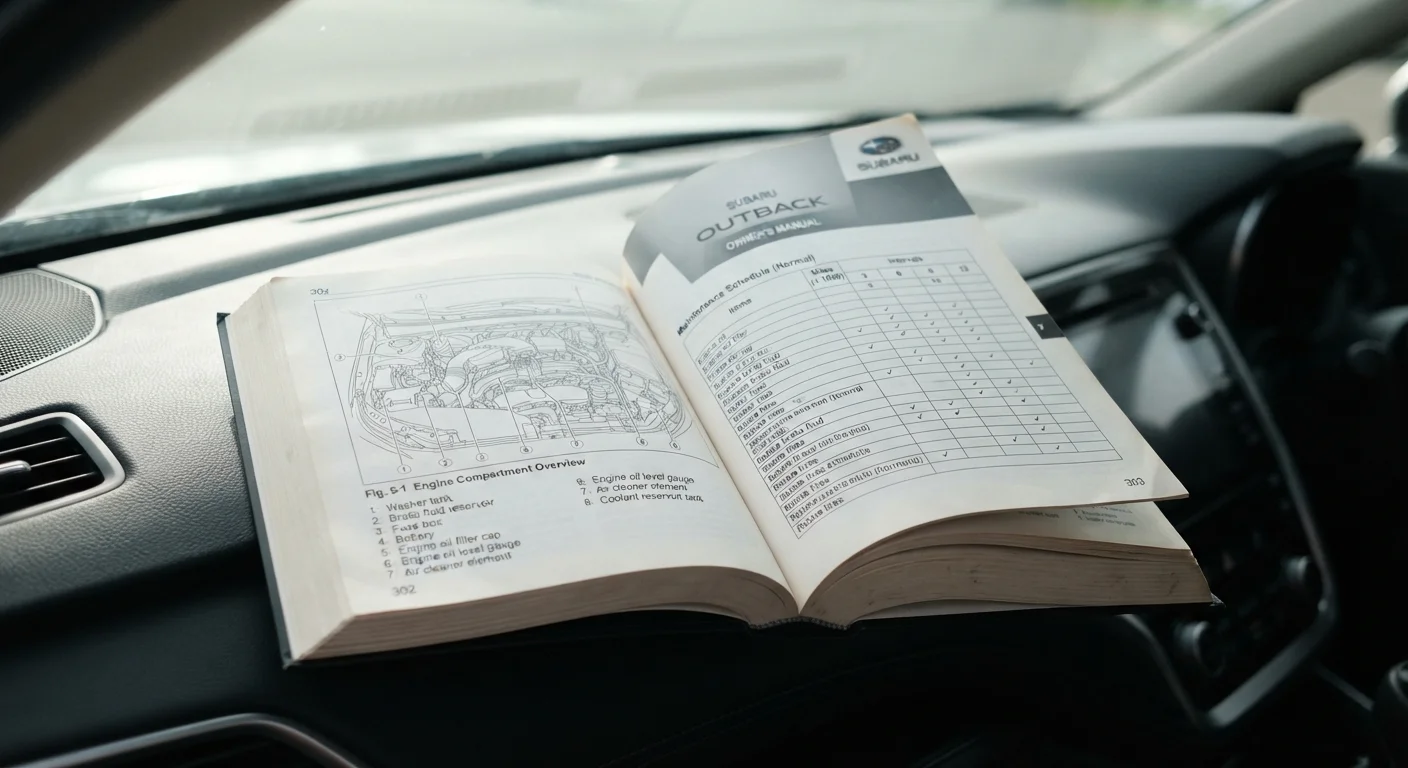
Photo credit: PrimeFaqs.com | Trending And Accurate Content
In this article
Your owner's manual has maintenance schedules, fluid specs, and safety instructions tailored to your exact vehicle. Here's how to use it.
Key Takeaways
- Your owner's manual contains maintenance intervals tailored to your exact vehicle, not generic estimates.
- Fluid specifications in the manual prevent costly engine or transmission damage from using the wrong product.
- Warning light explanations in the manual help you distinguish minor alerts from urgent safety issues.
- Many drivers unknowingly void warranty protections by skipping manual-specified service intervals.
- A digital version of your manual is often available free through the manufacturer's website.
Why Most Drivers Never Open It
Studies on driver behavior consistently find that the owner's manual is among the least-consulted documents in a vehicle. It typically gets shoved into the glovebox on day one and stays there until something goes wrong. This is an understandable habit - the manual can run 300 to 500 pages, and most drivers don't consider themselves car people. But that assumption carries a real cost.
The manual isn't written for mechanics. It's written for you. Manufacturers know that most drivers won't rebuild their own engines, so the manual focuses on what everyday owners actually need: when to service the vehicle, which fluids to use, what warning lights mean, and how safety systems operate. Skipping it doesn't make car ownership simpler - it just means operating your vehicle with an incomplete picture.
If you're new to owning a car, this is especially worth understanding early. Our guide for first-time car owners covers how the manual fits into broader ownership responsibilities.
The Sections That Actually Matter for Maintenance
You don't need to read the owner's manual cover to cover. A few key sections provide most of the practical value:
- Scheduled Maintenance: This is the single most important section. It lists every service your vehicle needs - oil changes, filter replacements, fluid flushes, belt inspections - and the mileage or time intervals at which each is due. These are manufacturer-determined intervals based on engineering data, not estimates.
- Fluid Specifications: Your manual specifies the exact type and viscosity of engine oil, transmission fluid, coolant, and brake fluid your vehicle requires. Using the wrong fluid - even a close substitute - can cause damage that isn't always immediately visible. See our overview of vehicle fluids to understand what each system does.
- Warning Lights and Gauges: The manual includes a complete list of dashboard warning symbols with explanations. This helps you determine whether a light signals an urgent stop-now issue or a scheduled service reminder.
- Tire Information: Your manual lists the correct tire size and recommended inflation pressure for your vehicle - information that also appears on the door jamb sticker. Pair this with our guide to reading tire sidewall markings for a complete picture.
Bookmark Three Sections Before You Need Them
Before anything goes wrong, take ten minutes to locate and mark these sections in your manual: the scheduled maintenance table, the fluid specifications page, and the warning light guide. Physical sticky tabs or a digital bookmark work equally well. Having these ready before a warning light appears means you'll respond with information rather than guesswork.
Tracking what the manual recommends is much easier when you keep a service log. Our article on keeping a vehicle maintenance log explains how a simple record helps you stay on schedule and document your car's history.
Normal vs. Severe Duty: Knowing Which Schedule Applies to You
Most owner's manuals include two maintenance schedules: one for normal driving conditions and one for severe or special operating conditions. Many drivers automatically assume they fall into the normal category - but severe conditions are more common than the label suggests.
Severe-duty driving typically includes: frequent short trips under five miles, extensive idling (such as urban commuting), towing or hauling, driving in extreme heat or cold, or operating on dusty or unpaved roads. If any of these describe your regular driving, the severe schedule likely applies - which generally means more frequent oil changes, filter checks, and fluid inspections.
Choosing the wrong schedule isn't about being cautious versus relaxed. It's about matching service frequency to actual wear. Ignoring the severe schedule when it applies accelerates component degradation in ways that often don't show up until a costly repair is needed. Our article on maintenance oversights that lead to expensive repairs covers what happens when these intervals get skipped.
Warranty Implications of Skipped Service
Some new vehicle warranties include language that ties coverage to adherence to the manufacturer's recommended maintenance schedule. While warranty law in the U.S. provides some consumer protections, documenting that you followed the manual's intervals can be important if a dispute arises. Keep receipts for any service performed, whether you do it yourself or use a shop.
Putting the Manual to Work in Your Routine
The most practical approach is to treat your owner's manual like a reference tool rather than assigned reading. You don't need to memorize it - you need to know where to look when a question comes up.
Start by flagging or bookmarking three sections: the maintenance schedule, the fluid specifications table, and the warning light guide. These three sections will answer the vast majority of questions that come up during normal ownership. When a dashboard light appears or a service reminder pops up, the manual should be your first stop - not a search engine that may return advice written for a different vehicle.
For a broader framework of what maintenance tasks look like across the ownership calendar, our seasonal maintenance checklist complements what your manual specifies with a practical, time-of-year structure.
If you're deciding which maintenance tasks are reasonable to handle yourself, the manual is still your starting point - it tells you what needs to be done, and our guide to DIY car maintenance helps you assess whether a given task is within scope for a home mechanic.
This article provides general vehicle ownership information for educational purposes. Always consult a qualified mechanic for diagnosis, repair decisions, or safety-related concerns specific to your vehicle.
Frequently Asked Questions

Author
Automotive Basics Editorial Team
Automotive Basics Editorial Team is the collective byline for our editorial team and contributor network. Articles published under this byline or an editorial pen name are researched, written, and reviewed according to our editorial standards for clarity, consistency, and independence before publication.
View all articles →