
The Seasonal Car Maintenance Checklist Every Driver Should Keep in the Glovebox
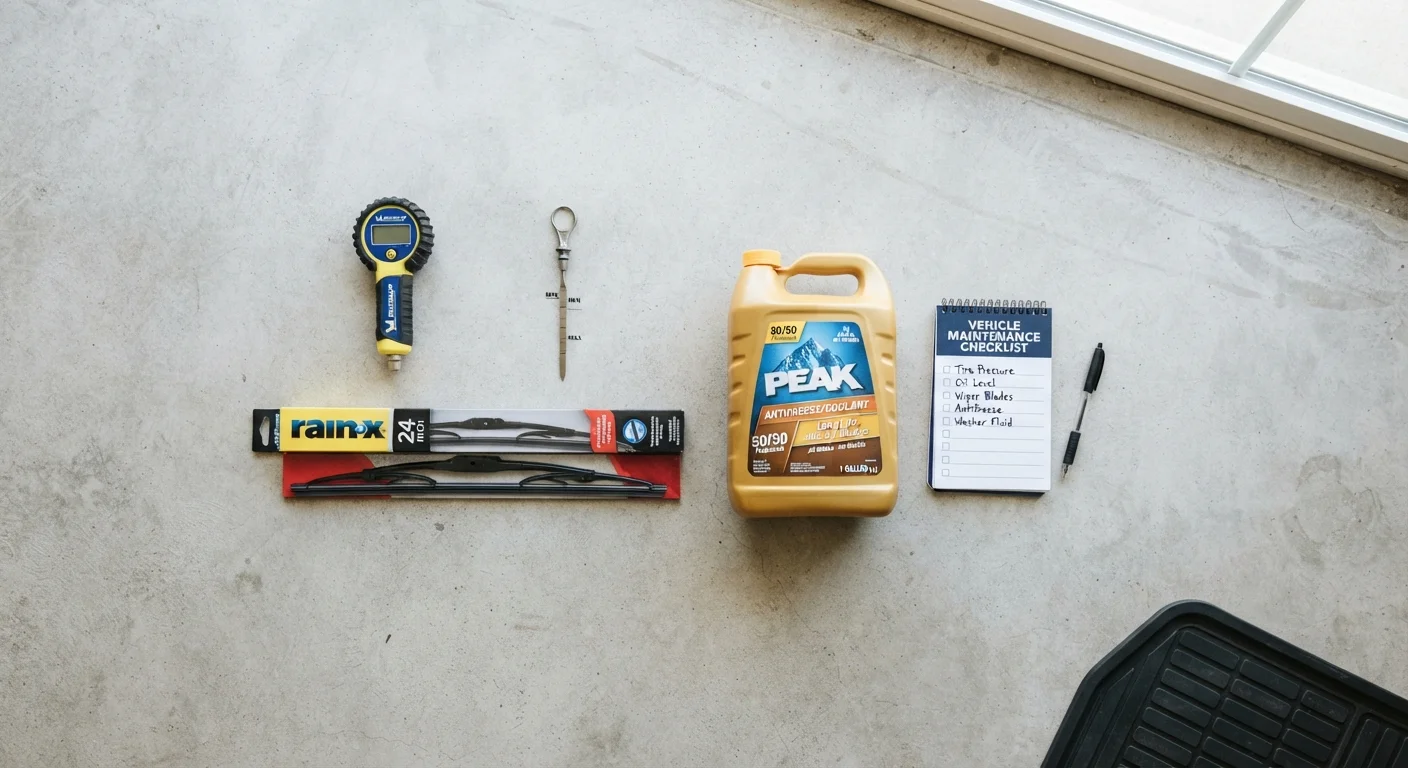
Photo credit: PrimeFaqs.com | Trending And Accurate Content
In this article
A season-by-season checklist covering fluids, tires, brakes, and filters so your car is ready for whatever the weather brings.
Key Takeaways
- Seasonal checks catch small problems before they become expensive repairs.
- Tires, fluids, brakes, and filters are the four pillars of every routine inspection.
- Your owner's manual is the single most reliable source for service intervals specific to your vehicle.
- Some checks are quick DIY tasks; others genuinely require a qualified mechanic.
- Consistency matters more than perfection - a partial check done regularly beats a perfect check done never.
Why a Seasonal Rhythm Makes Sense
Most drivers think about car maintenance only when a warning light appears or something starts making noise. By then, the damage is often already done. Organizing your upkeep around the four seasons gives you natural, built-in checkpoints that align with the stress your vehicle actually experiences - summer heat degrades coolant and tires differently than winter cold does.
This checklist is designed to live in your glovebox or on your phone. It covers the inspections that matter most each season, flags what you can reasonably check yourself, and is clear about which tasks belong in a mechanic's bay. Before diving in, pull out your owner's manual - it contains the service intervals and fluid specifications written specifically for your make, model, and engine. No generic checklist can replace that document.
Tire Pressure Gauge
Used to check and verify tire inflation at every seasonal inspection and monthly between seasons.
Tread Depth Gauge
Measures remaining tire tread to determine whether tires are safe for the coming season.
Flashlight or Headlamp
Illuminates the engine bay, undercarriage, and tight spaces during visual inspections.
Clean Lint-Free Rags
Used for checking fluid levels on dipsticks and wiping surfaces during inspection.
Battery Load Tester
Tests whether a battery can hold sufficient charge under real-world starting conditions; often available free at auto parts stores.
Vehicle Owner's Manual
Provides the manufacturer's exact fluid specs, tire sizes, and service intervals for your specific vehicle.
The Season-by-Season Checklist
Work through these groups at the start of each season. Most fluid and visual checks take only a few minutes once you know what to look for. For a deeper look at what each fluid does and why low levels are a real problem, see our guide on car fluids explained.
Spring - Recovering from Winter
Summer - Heat and High-Mileage Season
Fall - Preparing for Cold
Winter - Cold-Weather Operation
Never Skip Brake Inspections
Brakes are the single most safety-critical system on your vehicle. Worn pads, scored rotors, or low brake fluid can increase stopping distances in ways that are not always obvious until an emergency. If you notice any change in pedal feel, hear squealing or grinding, or see the brake warning light, have the system professionally inspected before driving further. Do not defer brake concerns to the next seasonal check.
If you're preparing for an extended drive rather than routine upkeep, the road-trip safety checklist covers pre-departure checks in detail, including emergency kit essentials. Routine seasonal maintenance and pre-trip readiness complement each other - doing one makes the other faster.
DIY Has Limits - Know Yours
Visual checks and fluid top-offs are well within reach for most drivers. However, brake system work, cooling system flushes, and anything involving the fuel system carry real safety risks if done incorrectly. When in doubt, the cost of a professional inspection is almost always less than the cost of a repair caused by a DIY mistake. Check your owner's manual, and when a task exceeds your confidence level, take the vehicle to a qualified mechanic.
Knowing When to Call a Mechanic
This checklist empowers you to catch issues early, but it is not a substitute for professional diagnosis. If any inspection turns up something unexpected - unusual brake feel, fluid that looks milky or smells burned, a tire with visible sidewall damage - stop driving on that vehicle and have it evaluated by a qualified mechanic. Continuing to drive with a known problem rarely saves money; it usually multiplies the repair bill.
For broader context on responsible car ownership costs and decisions, including when extended warranties or service contracts make sense, the car ownership hub is a useful resource. Safe driving habits work alongside good maintenance - the driving and safety hub covers both.
This article is for general informational purposes only. Always consult your vehicle's owner's manual and, where needed, a qualified automotive technician before performing or skipping any maintenance task. Conditions vary by vehicle, climate, and driving habits.

Author
Automotive Basics Editorial Team
Automotive Basics Editorial Team is the collective byline for our editorial team and contributor network. Articles published under this byline or an editorial pen name are researched, written, and reviewed according to our editorial standards for clarity, consistency, and independence before publication.
View all articles →