
Before Every Long Drive: A Road-Trip Safety Checklist
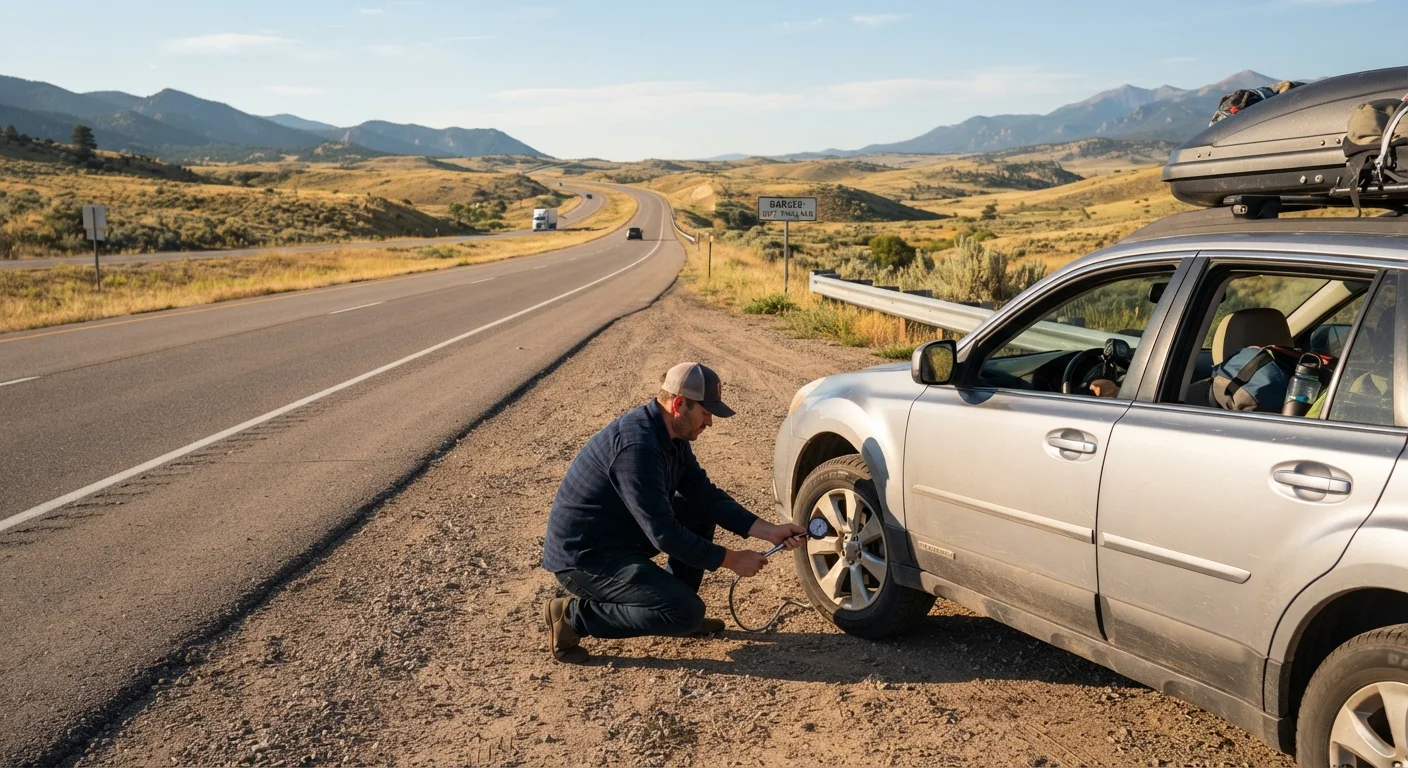
Photo credit: PrimeFaqs.com | Trending And Accurate Content
In this article
From tire pressure to emergency kit essentials, run through these practical checks before any extended drive to reduce the chance of being caught unprepared.
Key Takeaways
- Tire pressure and tread depth are among the most critical pre-trip checks you can perform.
- Fluid levels - oil, coolant, and brake fluid - should be verified before any extended highway drive.
- A properly stocked emergency kit can significantly reduce risk if something goes wrong on the road.
- Driver readiness - rest, medications, and route awareness - matters as much as vehicle condition.
- Most pre-trip checks take under an hour and require no special tools or mechanical expertise.
Why Pre-Trip Checks Are Worth the Time
Most roadside breakdowns and preventable accidents share something in common: the warning signs were present before the driver left home. A skipped tire check, an overlooked low-oil indicator, or a forgotten phone charger can turn a manageable situation into a stressful one - or worse.
This checklist is designed for everyday drivers, not mechanics. You don't need specialized tools or technical knowledge to work through it. What you do need is about 20 to 45 minutes and a systematic approach before any drive that takes you significantly away from home.
For broader year-round vehicle health, pair this routine with the seasonal car maintenance checklist - it covers what to check as weather conditions change. And if you're planning the trip itself, a pre-trip planning checklist can help you handle the logistics side before you even start the engine.
Tires
Fluids
Lights and Visibility
Brakes
Emergency Kit
Driver Readiness
Tools You'll Want Before You Start
You don't need a garage full of equipment, but having a few basics on hand makes the inspection faster and more accurate.
Tire Pressure Gauge
Used to accurately measure PSI in all four tires and the spare before inflation adjustments.
Portable Jump Starter
Provides a self-contained power source to restart a dead battery without needing another vehicle.
Tread Depth Gauge or Quarter Coin
Used to measure remaining tire tread and determine whether tires are safe for highway speeds.
Flashlight or Headlamp
Essential for inspecting the vehicle in low light and for roadside visibility if you're stopped after dark.
Portable Battery Bank
Keeps your phone charged if you're stranded without a running engine and power outlet access.
Basic First-Aid Kit
Provides initial wound care supplies for minor injuries until professional help is available.
On the Road: Staying Alert and Adapting
Preparation doesn't end when you pull out of the driveway. Long drives introduce conditions that don't exist on your commute - sustained highway speeds, fatigue accumulation, and unfamiliar weather.
Driver fatigue is one of the most underestimated risks on extended trips. Impairment from drowsiness can mirror the effects of alcohol on judgment and reaction time, yet many drivers push through rather than stop. Plan rest breaks every two hours or roughly every 100 miles, whichever comes first.
Weather conditions change fast on long routes. If you're crossing multiple states or driving through mountain terrain, reviewing how to adjust your driving for rain, ice, snow, or fog before you go gives you a mental framework when conditions shift unexpectedly.
For developing habits that hold up trip after trip - not just one-off preparation - see our guide on building safer driving habits that actually stick.
Don't Ignore Dashboard Warning Lights
If your check engine, brake, tire pressure, or oil pressure warning lights are illuminated, do not assume they can wait until after your trip. Some warning indicators point to conditions that worsen rapidly under sustained highway driving. Have any persistent warning light evaluated by a qualified mechanic before undertaking a long drive - not after.

Author
Automotive Basics Editorial Team
Automotive Basics Editorial Team is the collective byline for our editorial team and contributor network. Articles published under this byline or an editorial pen name are researched, written, and reviewed according to our editorial standards for clarity, consistency, and independence before publication.
View all articles →