
Recurring Expenses That Catch New Car Owners Off Guard
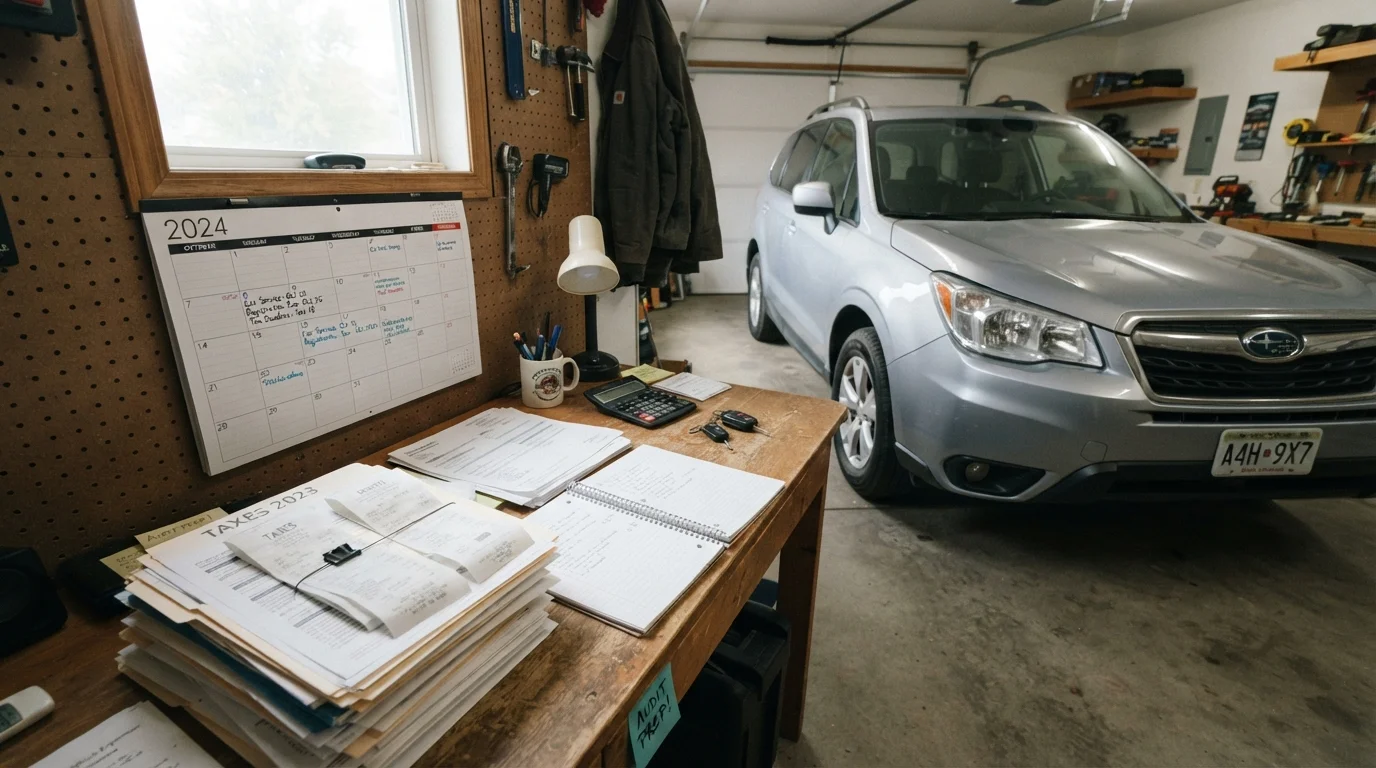
Photo credit: PrimeFaqs.com | Trending And Accurate Content
In this article
Registration renewals, tire rotations, inspection fees, and more—a look at the ongoing costs many first-time owners don't anticipate until the bill arrives.
Key Takeaways
- Many recurring car costs-registration, inspections, tires-bill annually or semi-annually and can feel sudden.
- Routine maintenance like tire rotations and fluid services is predictable and budgetable once you know the schedule.
- State and local fees vary widely; researching your area's requirements prevents unwelcome surprises at renewal time.
- Setting up a dedicated monthly savings buffer for car expenses smooths out large, infrequent bills.
- Skipping routine services to save money short-term often creates far larger repair bills later.
The Hidden Rhythm of Car Ownership Costs
Buying a car often focuses the mind on the obvious numbers: the purchase price, the monthly payment, and insurance premiums. What many first-time owners discover-usually when the bill arrives-is that vehicle ownership runs on a second financial clock. Costs appear quarterly, semi-annually, or annually on cycles that don't align neatly with monthly budgeting. The result is that expenses feel sudden even when they're entirely predictable.
This isn't a reason for alarm. Once you know what to expect and when, these costs become straightforward line items you can plan for. The full picture of first-time ownership covers the broad financial landscape; this article zeroes in specifically on the recurring charges that tend to catch people flat-footed.
Build a Simple Car Expense Calendar
List every recurring cost you know about-registration, inspections, oil changes, tire rotations-and note when each one is due. A basic calendar reminder set a month before each due date gives you time to set aside funds without scrambling. Even a rough annual estimate divided by twelve is a more reliable budget approach than treating these costs as surprises.
Eight Recurring Costs Worth Knowing About
Annual Registration Renewal Fees
Every state requires vehicle registration, and nearly all charge an annual or biennial renewal fee. The amount varies considerably by state, vehicle age, weight, and sometimes even the vehicle's value. Some states layer on additional charges-county fees, emissions program surcharges, or highway fund contributions-that push the total well above the base registration rate. First-time owners are often surprised because the initial registration at purchase is rolled into closing costs and feels invisible; the renewal bill that arrives a year later does not.
Registration renewal fees vary by state and can include several layered surcharges beyond the base rate.
State Safety and Emissions Inspections
Roughly half of U.S. states require periodic safety inspections, emissions testing, or both. Inspection cycles differ-some states require annual checks, others inspect every two years-and the fees, while modest on their own, are non-negotiable; you cannot legally renew registration without a passing certificate in states that mandate it. If your vehicle fails, the repair costs to achieve compliance are an additional, sometimes substantial expense that arrives without much warning.
A failed emissions or safety inspection can turn a modest inspection fee into a significant unplanned repair bill.
Tire Rotations and Balancing
Tires wear unevenly depending on where they're mounted on the vehicle. Regular rotation-typically recommended every 5,000 to 7,500 miles, though your owner's manual is the definitive guide-redistributes that wear so all four tires last longer. Balancing addresses small weight imbalances in the wheel-and-tire assembly that can cause vibration and accelerated wear. These are separate services that are sometimes performed together. For a clear explanation of what each does, see tire rotation, balancing, and alignment explained.
Routine tire rotation is one of the most cost-effective services owners can do to extend tire lifespan.
Oil and Fluid Services
Engine oil changes are the most familiar recurring maintenance task, but they share the calendar with a range of other fluid services that many new owners don't anticipate: coolant flushes, transmission fluid changes, brake fluid replacement, and power steering fluid checks. These don't all happen at the same intervals-some are annual, some are mileage-based, and some are triggered by inspection-but they accumulate across the ownership year into a meaningful total. Your vehicle's maintenance schedule, found in the owner's manual, lists every fluid service and its recommended interval. The first-time owner's maintenance orientation walks through each task in plain language.
Fluid services beyond oil changes-coolant, transmission, brake fluid-are easy to overlook but essential to budget for.
Wiper Blades and Cabin Air Filter Replacements
These are minor individually but are genuinely recurring. Wiper blades typically need replacement once or twice a year depending on climate and use; worn blades streak and reduce visibility in rain. Cabin air filters-which clean the air entering the passenger compartment through the HVAC system-are usually replaced every 12,000 to 15,000 miles, though dusty environments shorten that interval. Neither item is expensive, but both are frequently omitted from first-time owners' mental models of ongoing car costs.
Wiper blades and cabin filters are small, predictable expenses that are easy to schedule once you know the intervals.
Tire Replacement Cycles
Tires don't last indefinitely. Depending on tire type, driving habits, and road conditions, most passenger tires require replacement somewhere between 25,000 and 50,000 miles-a range that means some owners face this cost within three to four years of purchase. A full set of four tires represents one of the larger predictable expenses in the ownership cycle, and new owners who haven't planned for it often experience it as a financial jolt. Factoring tire replacement into a multi-year budget makes the eventual cost far less disruptive.
A full tire replacement is one of the largest predictable costs in the ownership cycle and should be planned for in advance.
Insurance Premium Adjustments
Auto insurance isn't a one-time setup; premiums are subject to change at each renewal period, which is typically every six or twelve months. Rate adjustments can be triggered by claims history, changes in your credit profile (in states where that's permitted), shifts in local accident statistics, or simply insurer pricing decisions. New drivers sometimes assume their initial quote is a stable, fixed cost and are caught off guard when renewal arrives at a higher amount. For a closer look at how coverage decisions affect costs, see what new drivers often get wrong about car insurance.
Insurance premiums can change at every renewal period-treating them as a fixed cost is a common first-timer mistake.
Parking Permits and Tolls
Depending on where you live and commute, parking permits-residential, workplace, or municipal-may require annual renewal. Toll expenses, particularly for drivers using transponder-based systems, accumulate steadily and replenish on a schedule that isn't always top of mind. Neither category is dramatic in isolation, but both belong in an honest accounting of what a car costs to operate annually. The true cost of owning a car in America explores how these operational costs combine into a fuller picture of vehicle ownership expenses.
Parking permits and tolls are easy to underestimate but add a consistent, recurring layer to annual ownership costs.
Requirements Vary Significantly by State
Registration fees, inspection mandates, emissions testing, and even the accepted intervals for certain vehicle services differ from state to state and sometimes county to county. Always verify the specific requirements for your registration address rather than relying on general figures. Your state's Department of Motor Vehicles website is the authoritative source for local obligations and fee schedules.
Turning Surprises Into a Budget Line
The simplest way to absorb these costs without stress is to estimate your annual total-add up registration, inspections, tire services, fluid changes, and anything else on your vehicle's maintenance schedule-then divide by twelve. Setting aside that monthly amount in a dedicated savings account means the money is waiting when each bill arrives. For a practical breakdown of what these totals typically look like, see our annual car ownership cost reference.
Skipping any of these services to avoid a near-term cost is rarely a good trade. Deferred maintenance compounds, and the maintenance oversights that lead to expensive repairs are almost always rooted in services that seemed optional at the time. Plan for these costs as fixed obligations of ownership, and they stop feeling like surprises.

Author
Automotive Basics Editorial Team
Automotive Basics Editorial Team is the collective byline for our editorial team and contributor network. Articles published under this byline or an editorial pen name are researched, written, and reviewed according to our editorial standards for clarity, consistency, and independence before publication.
View all articles →