
Pet Training From Day One: What New Animal Owners Need to Know
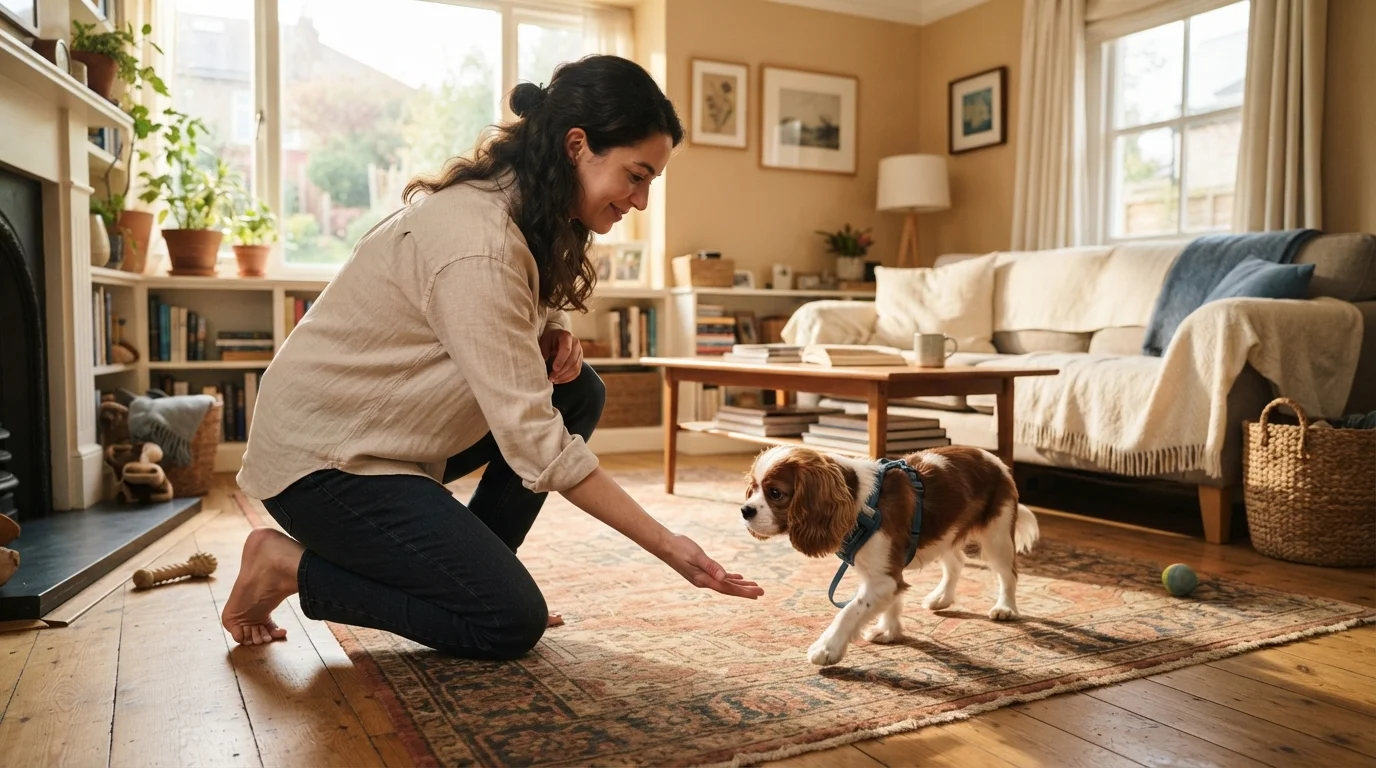
Photo credit: PrimeFaqs.com | Trending And Accurate Content
In this article
Just brought home a pet? This introduction covers timing, consistency, and the core principles that make early training stick.
Key Takeaways
- Training should begin on day one - waiting weeks or months creates habits that are harder to reshape.
- Positive reinforcement is the most evidence-supported, humane approach for most species.
- Short, frequent sessions outperform long, infrequent ones for building reliable behaviors.
- Consistency across all household members is as important as the training method itself.
- The goal of early training is not just obedience - it's a trusting, communicative relationship.
Why Timing Matters More Than You Think
The first days in a new home are not just an adjustment period for your pet - they are a critical window for establishing expectations. Puppies, kittens, and many other young animals have sensitive developmental phases during which learning occurs more rapidly and patterns become deeply embedded. Waiting until a problem behavior emerges before beginning training is one of the most common and costly delays new owners make.
This doesn't mean your first evening should involve a formal training drill. It means that every interaction - how you respond when your dog jumps up, whether you allow your kitten on the counter, where your rabbit is permitted to roam - is already teaching your animal something. Intentional, consistent responses from day one shape that learning in a direction you want.
The principles that apply here aren't species-specific dogma; they reflect broadly understood animal learning science. For a species-specific perspective on feline learning, see what the research shows about training cats.
Positive reinforcement
Adding something the animal values - like a treat or praise - immediately after a desired behavior to make that behavior more likely to happen again.
Marker training
Using a precise signal (a click or a specific word) to mark the exact moment a correct behavior occurs, bridging the gap between the behavior and the reward.
Aversive method
Any training technique that uses discomfort, fear, or punishment to suppress or change behavior - generally discouraged by animal behavior professionals due to welfare and effectiveness concerns.
Sensitive period
A developmental window in young animals during which they are especially receptive to learning social rules, forming attachments, and acquiring new behaviors.
Recall
The behavior of coming to the owner when called - one of the most important safety behaviors for dogs and many other pets to learn reliably.
The Core Principles of Humane Training
Modern, evidence-supported animal training centers on positive reinforcement - rewarding a behavior immediately after it occurs to increase the likelihood the animal will repeat it. The reward can be food, play, or praise, depending on what motivates your individual pet. The key word is immediate: animals associate outcomes with what they just did, so a reward delivered even a few seconds late may reinforce the wrong behavior.
Equally important is marker training - using a consistent signal (a clicker click or a specific word like "yes") to mark the exact moment the desired behavior happens, before the reward arrives. This precision dramatically speeds up learning. If you're deciding between tools, clicker training versus verbal cues explores the practical tradeoffs of each approach.
Avoid aversive methods - yelling, physical correction, or intimidation. Research in applied animal behavior consistently links these approaches to elevated stress and aggression, undermining both welfare and the training relationship itself.
Set Your Pet Up to Succeed
When introducing a new cue, practice in a low-distraction environment first - a quiet room rather than a busy yard. Once your pet responds reliably with few distractions, gradually increase the difficulty of the environment. This incremental approach, sometimes called "proofing," prevents the frustration of expecting behavior your pet hasn't yet generalized.
What to Teach First
Prioritize behaviors that directly affect safety and daily life. For dogs, that typically means: responding to their name, sitting on cue, coming when called, and loose-leash walking. For cats, litter box use is usually self-taught, but coming when called and tolerating handling (for grooming and veterinary visits) are worth building early. Small animals like rabbits benefit from learning to accept handling calmly and returning to their enclosure on cue.
Crate training is worth introducing early for dogs and some small animals, as a well-conditioned crate becomes a genuine refuge rather than a source of stress. The complete guide to crate training covers the full process from setup through common setbacks.
Keep sessions to two to five minutes for very young animals, and always end while your pet is still engaged and succeeding. Stopping on a win keeps motivation high for the next session.
Common Mistakes to Avoid Early On
New owners frequently make a handful of predictable errors that slow progress significantly:
- Inconsistency across people: If one household member allows the dog on the sofa and another doesn't, the animal learns that the rule is about the person, not the behavior. Align all household members on the same expectations before training begins.
- Sessions that are too long: Mental fatigue in animals looks like distraction or stubbornness - it's neither. Shorter, more frequent sessions consistently outperform long, exhausting ones.
- Repeating cues: Saying "sit, sit, SIT" teaches your pet to wait for multiple repetitions. Say the cue once, wait, and prompt physically if needed before trying again.
- Skipping foundational behaviors: Jumping straight to complex tricks before a pet reliably responds to their name or a recall cue creates gaps that cause problems later.
For a broader look at beliefs that quietly undermine training progress, common dog training myths addresses some of the most persistent ones.
Punishment Can Backfire Seriously
Physical correction or harsh verbal reprimands may suppress a behavior in the short term, but research shows they frequently increase anxiety, avoidance, and even aggression over time. If a behavior is persistent or escalating, consult a certified professional animal trainer or veterinary behaviorist rather than increasing the intensity of correction.
Building a Foundation That Lasts
Training isn't a phase you complete - it's an ongoing practice embedded in daily life. The most successful pet owners integrate short reinforcement moments into routine activities: asking for a sit before meals, practicing a recall during a walk, rewarding calm behavior during grooming. This approach, described in more depth in building a consistent training routine at home, requires less dedicated time than people expect.
Before each session, it also helps to be deliberate about conditions - your pet's energy level, hunger, and environment all affect how well they can learn. A readiness checklist for owners and pets is a useful reference for setting those conditions correctly.
Training done well is not about control - it's about communication. A pet that understands what you're asking, and has learned that cooperating leads to good outcomes, is a more confident, calmer, and healthier animal. That relationship, built from the very first day, is the real return on investment.
This article is for general informational and educational purposes only. For guidance tailored to your specific pet's health or behavioral needs, consult a qualified veterinarian or certified animal behavior professional.
Frequently Asked Questions

Author
Pets & Animals Editorial Team
Pets & Animals Editorial Team is the collective byline for our editorial team and contributor network. Articles published under this byline or an editorial pen name are researched, written, and reviewed according to our editorial standards for clarity, consistency, and independence before publication.
View all articles →