
Before Your Next Training Session: A Readiness Checklist for Owners and Pets
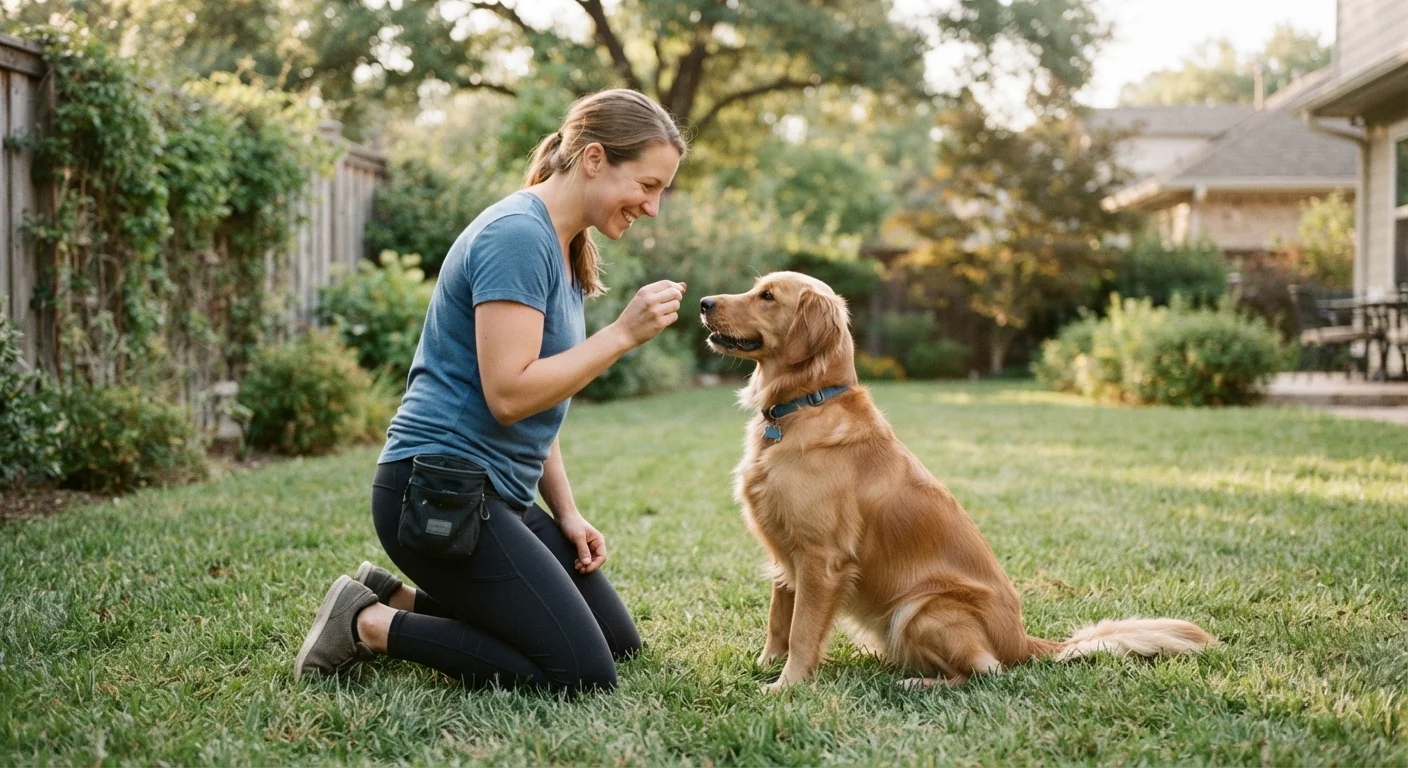
Photo credit: PrimeFaqs.com | Trending And Accurate Content
In this article
Short, focused sessions beat long, unfocused ones. Use this checklist to set the right conditions before you start any training work.
Key Takeaways
- Short, focused sessions - typically 5 to 15 minutes - outperform longer, unfocused ones for most pets.
- Your own mental state directly affects your pet's ability to learn; stressed trainers produce stressed learners.
- Timing, energy level, and environment all need to be right before you begin any training work.
- High-value, appropriately sized treats should be prepped and ready before the session starts.
- Recognizing when to end a session early is a skill as important as any training technique.
Why Pre-Session Preparation Matters
Most training failures happen before the first cue is ever given. A distracted environment, a pet that just ate a full meal, or an owner running on frustration - any one of these conditions can quietly undermine even a well-designed session. Research in animal learning consistently shows that the conditions surrounding a training attempt shape the outcome as much as the technique itself.
This checklist is built around that principle. Whether you're working on basic obedience with a new puppy, refining cues with an adult dog, or introducing a cat or small animal to target training, the pre-session habits are nearly the same. If you're just getting started with a new animal, our introduction to training fundamentals covers the core principles worth understanding first.
Use this checklist before every session - not just the first one. Consistency in preparation builds consistency in results.
Treat pouch or bait bag
Keeps pre-portioned rewards accessible hands-free so your timing stays sharp during the session.
Training clicker or verbal marker
Provides a precise, consistent signal that marks the exact moment your pet performs the desired behavior.
High-value training treats
Motivates your pet and reinforces correct behaviors; soft, small treats work best for rapid repetitions.
Flat collar or harness (dogs)
Ensures safe, comfortable equipment is fitted correctly before any leash-involved work begins.
Session log or notes app
Tracks what you worked on, what succeeded, and what needs adjustment to inform future sessions.
Favorite toy or tug reward
Provides an alternative motivator on days when food drive is lower than usual.
The Readiness Checklist
Work through each group below before you ask your pet for anything. Items marked must are non-negotiable for a productive, humane session. Should items are strongly recommended. Nice-to-have items enhance your results over time.
Owner Readiness
Pet Readiness
Environment Setup
Rewards and Materials
Session Planning
Never Train Through Pain, Fear, or Illness
If your pet is showing signs of physical discomfort, unusual fearfulness, or any symptoms that suggest illness, cancel the session and contact your veterinarian before resuming training. Training an animal that is in pain or unwell can create lasting negative associations with training itself - and more importantly, it delays care the animal may genuinely need. When in doubt, skip the session.
Reading Your Pet and Knowing When to Stop
Even with perfect preparation, some sessions should be cut short. Pets communicate stress, fatigue, and disengagement through body language long before they refuse a cue outright. Yawning, lip-licking, turning away, sniffing the ground excessively, or moving more slowly than usual are all signs that your pet's learning window is closing.
Ending on a successful repetition of something your pet already knows - rather than pushing through diminishing returns - protects the learning that already happened. It also keeps your pet's association with training positive, which pays dividends in future sessions. This is especially relevant for owners working on more complex behavioral goals, such as those described in our guide to managing leash reactivity, where emotional thresholds matter enormously.
Tracking what worked and what didn't - even in a simple notes app - helps you spot patterns over time. A pet that consistently disengages after eight minutes is telling you something useful about their optimal session length. Regular wellness observation habits can also help you notice whether changes in training performance correlate with physical health changes worth discussing with your veterinarian.
This article is for general educational purposes only and does not constitute professional veterinary or behavioral advice. Consult a qualified veterinarian or certified animal behaviorist for guidance specific to your pet's health or behavioral needs.

Author
Pets & Animals Editorial Team
Pets & Animals Editorial Team is the collective byline for our editorial team and contributor network. Articles published under this byline or an editorial pen name are researched, written, and reviewed according to our editorial standards for clarity, consistency, and independence before publication.
View all articles →