
Monthly Pet Wellness Check: A Room-by-Room Routine for Observant Owners
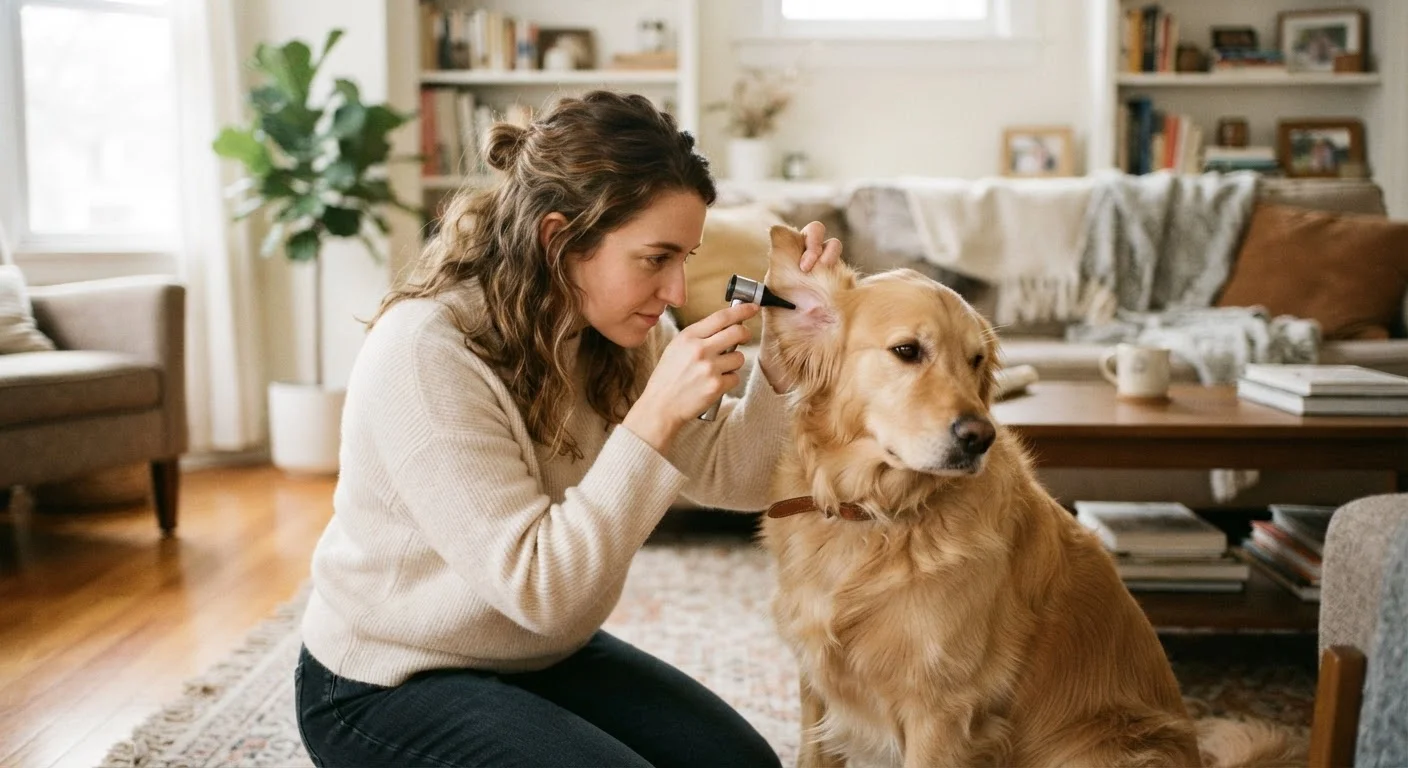
Photo credit: PrimeFaqs.com | Trending And Accurate Content
In this article
A practical at-home observation checklist covering eyes, ears, skin, weight, and behavior — designed to help owners notice changes between vet appointments.
Key Takeaways
- Monthly at-home observations help you notice subtle changes between annual vet visits.
- You are observing and recording - not diagnosing. Always consult a vet for concerns.
- Tracking changes over time gives your veterinarian more useful information during checkups.
- A room-by-room approach keeps the routine consistent and less likely to be skipped.
- Behavior shifts and appetite changes are often early signals worth noting.
Why a Monthly Routine Matters
Veterinary checkups are essential, but they typically happen once or twice a year. In between those appointments, your pet's health can shift in ways that are easy to miss if you're not actively looking. A consistent monthly observation routine gives you a baseline - and when something changes, you'll notice it sooner.
This isn't about replacing professional care. It's about becoming a more informed observer so that when you do visit your vet, you can offer specific, useful detail: "Her left eye has been slightly cloudy for about three weeks" is far more actionable than "something seems off." For context on what professional preventive care involves, see what veterinary preventive care actually includes.
The room-by-room format below is designed to feel natural rather than clinical. Move through your home the way you and your pet normally would, using each space as a prompt for a different category of observation. The whole routine takes 20-40 minutes and works for dogs, cats, and most other household pets.
Observe, Don't Diagnose
This checklist is designed to sharpen your powers of observation - not to replace a veterinary examination. Many findings that seem concerning have benign explanations, and some that look minor require prompt attention. If you notice anything that worries you, contact your veterinarian rather than waiting for your next scheduled visit. Never attempt to treat or diagnose your pet based on home observation alone.
Tools You'll Need
You don't need medical equipment to do this well. The list below covers basic items that help you observe more carefully and keep a reliable record over time.
Monthly wellness log (notebook or app)
Records your observations each month so you can track trends and share specifics with your veterinarian.
Pet-safe scale
Allows you to track your pet's weight consistently from month to month.
Small flashlight or penlight
Helps illuminate ears, the back of the throat, and skin folds that are difficult to see in normal light.
Disposable gloves
Useful for examining ears, paws, or the anal area hygienically.
Fine-tooth comb or flea comb
Helps detect flea dirt, eggs, or skin irregularities hidden beneath the coat.
The Room-by-Room Checklist
Work through each location in sequence. Take notes as you go - even a simple phone note or printed log sheet helps you compare month to month. If you notice anything that concerns you, write it down with the date and contact your veterinarian.
Kitchen & Feeding Area
Living Room & Activity Observation
Hands-On Physical Check
Bathroom & Litter Area
Weight & Body Condition
For a deeper look at subtle signals your pet may be sending, signs a pet is in pain and why they hide it so well is worth reading alongside this checklist. And if your pet is a senior, note that monitoring needs often intensify - keeping an aging pet comfortable outlines how routines typically shift with age.
Recording What You Find and Acting on It
The value of any checklist multiplies when you keep a consistent record. A simple monthly log - digital or paper - lets you track trends that a single observation can't reveal. Note changes in coat texture, any new lumps or bumps, shifts in appetite or water intake, and anything in behavior that feels different from the previous month.
Behavioral observations carry real diagnostic weight. Pets instinctively mask discomfort, so changes in how your pet moves, engages, or responds to touch often surface before visible physical symptoms. Your notes from this checklist become a timeline your vet can actually use. This pairs naturally with understanding your dog's body language, which can sharpen your ability to interpret what you're seeing during these checks.
If grooming is part of your monthly routine - and it should be - grooming at home without stressing your pet out offers practical guidance on making that process calmer for both of you. Dental health is also easy to overlook; cat dental health is a useful primer if oral checks are new to your routine.
This article is for general informational purposes only and is not a substitute for professional veterinary advice, diagnosis, or treatment. Always consult a licensed veterinarian with any questions about your pet's health.
When to Call Your Vet Immediately
Some findings should not wait for a monthly check or a scheduled appointment. Seek prompt veterinary care if your pet shows difficulty breathing, collapse or extreme lethargy, sudden paralysis or inability to use limbs, blood in urine or stool, seizures, or prolonged vomiting or diarrhea. These are potential emergencies - call your vet or an emergency animal hospital right away.

Author
Pets & Animals Editorial Team
Pets & Animals Editorial Team is the collective byline for our editorial team and contributor network. Articles published under this byline or an editorial pen name are researched, written, and reviewed according to our editorial standards for clarity, consistency, and independence before publication.
View all articles →