
What Veterinary Preventive Care Actually Includes
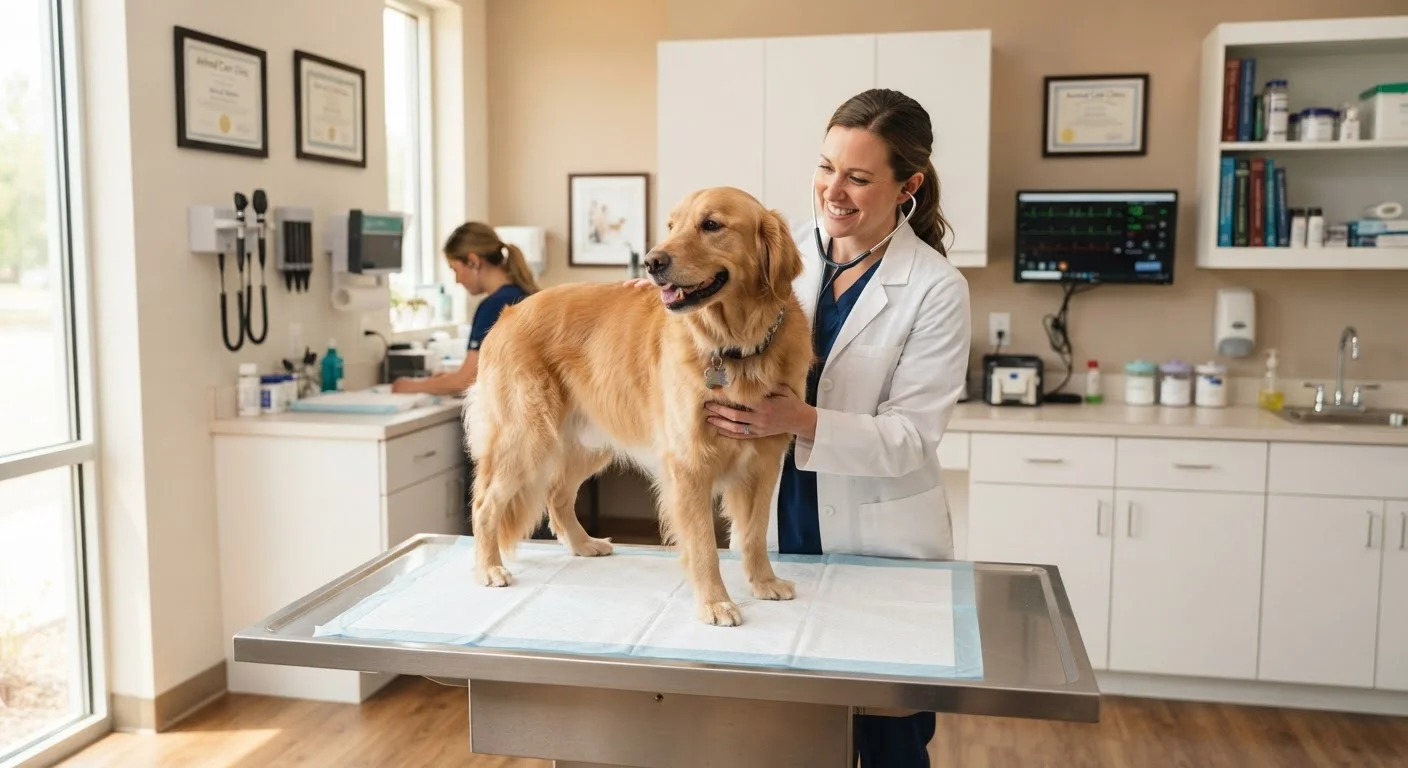
Photo credit: PrimeFaqs.com | Trending And Accurate Content
In this article
Annual wellness visits are about more than vaccines. Here's a clear breakdown of what preventive vet care covers and why each component matters.
Key Takeaways
- A wellness exam covers far more than vaccines - it's a full-body health assessment.
- Parasite prevention and screening are core components, not optional add-ons.
- Dental health is a standard part of preventive care and directly affects overall wellbeing.
- Your vet tailors preventive recommendations based on your pet's age, species, and lifestyle.
- Annual or semi-annual visits create a health baseline that makes changes easier to detect.
The Physical Exam: The Foundation of Every Visit
The hands-on physical examination is the centerpiece of any preventive care visit. A veterinarian systematically assesses every major body system - eyes, ears, nose, mouth, lymph nodes, skin, coat, heart, lungs, abdomen, joints, and neurological reflexes. This head-to-tail review takes only minutes but generates a detailed snapshot of your pet's current health status.
What makes this valuable over time is consistency. Each exam builds on the last, giving your vet a baseline to compare against. A heart murmur caught early, a lump that has changed in size, or subtle weight loss that might not alarm an owner at home can all surface during a structured physical. For a more detailed walkthrough of what this exam involves, see our guide to annual vet visits.
~70%
Dogs over age 3 with some form of periodontal disease
According to the American Veterinary Medical Association, dental disease is among the most prevalent conditions in adult dogs and cats.
2x/year
Recommended wellness visit frequency for senior pets
Most veterinary guidelines suggest twice-yearly exams for dogs and cats in their senior life stages due to the accelerated pace of age-related health changes.
1 in 3
Pets estimated to develop cancer in their lifetime
The American Veterinary Medical Association notes cancer is one of the leading causes of death in older pets, underscoring the value of routine screening.
Vaccinations, Parasite Control, and Screening
Vaccinations are the most recognized element of preventive care, but they represent just one layer. Vaccines are divided into core (recommended for virtually all pets) and non-core (recommended based on lifestyle and exposure risk). Schedules vary significantly by age and species. Our overview of pet vaccination schedules explains how those timelines are structured.
Parasite prevention is equally essential. Heartworm, fleas, ticks, and intestinal parasites all pose real health risks, and many are preventable with consistent, veterinarian-guided protocols. A fecal exam - checking a stool sample for intestinal parasites - is a standard screening tool at most wellness visits. Geographic location and your pet's outdoor exposure influence which preventives your vet recommends. For a clear explanation of how different categories of preventives work, our flea, tick, and heartworm prevention overview is a helpful resource.
Bring a Stool Sample to Every Wellness Visit
Intestinal parasites like roundworms, hookworms, and giardia don't always produce visible symptoms, but they're detectable through a fecal exam. Most veterinary practices ask you to bring a fresh sample collected within 24 hours of the appointment. This simple step is one of the easiest ways to protect both your pet and your household, since some parasites are transmissible to people.
Dental Health, Nutrition, and Lifestyle Counseling
Dental disease affects the majority of dogs and cats over age three, yet it's one of the most frequently overlooked areas of pet health. Every preventive exam should include an oral assessment - your vet examines the teeth and gums for tartar buildup, gingivitis, loose teeth, or signs of pain. If findings warrant it, a professional cleaning under anesthesia may be recommended. This isn't cosmetic; oral disease has been associated with systemic inflammation and organ stress. Cat owners especially will find our cat dental health guide useful for understanding what good oral care looks like between visits.
Preventive visits also include a body condition score assessment - a structured way of evaluating whether a pet is at a healthy weight - along with a discussion of diet, exercise, and any behavioral changes you've noticed. This counseling component is often underutilized by owners, but it's an important opportunity to ask questions and get guidance tailored to your pet's life stage. Between appointments, our monthly at-home wellness check routine can help you track changes and come prepared with specific observations.
This article is for general informational purposes only and is not a substitute for professional veterinary advice. Always consult a licensed veterinarian for guidance specific to your pet's health needs.
Frequently Asked Questions

Author
Pets & Animals Editorial Team
Pets & Animals Editorial Team is the collective byline for our editorial team and contributor network. Articles published under this byline or an editorial pen name are researched, written, and reviewed according to our editorial standards for clarity, consistency, and independence before publication.
View all articles →