
Annual Vet Visits: What Actually Happens and Why They Matter
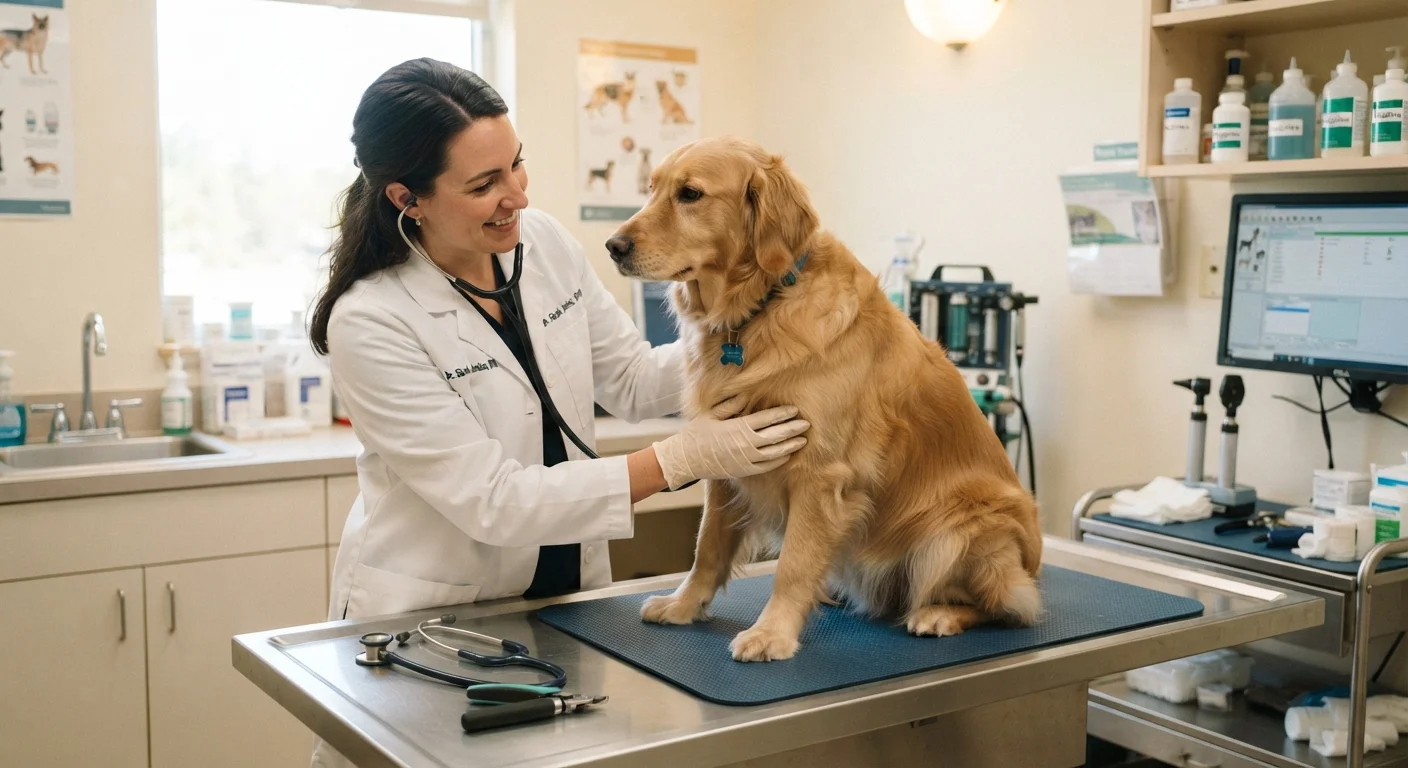
Photo credit: PrimeFaqs.com | Trending And Accurate Content
In this article
A walkthrough of what a routine veterinary wellness exam covers, from nose to tail, and why skipping one can mean missing early warning signs.
Key Takeaways
- A wellness exam checks far more than vaccines - it covers every major body system.
- Vets use year-over-year comparisons to detect subtle changes that owners may miss.
- Early detection of conditions like dental disease, organ decline, or weight shifts is far easier to manage than late-stage disease.
- Parasite screening and prevention discussions are a core part of every routine visit.
- Skipping annual exams means losing the health baseline that makes early detection possible.
What Actually Happens During the Exam
Most owners think of a vet visit as a quick shot and a pat on the head. In reality, a thorough wellness exam follows a structured, nose-to-tail protocol that typically takes 20 to 40 minutes.
The veterinarian begins by reviewing the pet's health history and asking the owner about changes in appetite, water intake, bathroom habits, energy level, or behavior since the last visit. This context shapes everything that follows.
The physical examination itself is systematic:
- Eyes and ears: Checked for discharge, redness, cloudiness, infection, or early signs of age-related changes.
- Mouth and teeth: Assessed for tartar buildup, gum inflammation, broken teeth, or masses - dental disease is among the most common conditions found at wellness exams. See why dental health is often overlooked for more context.
- Heart and lungs: The vet listens with a stethoscope for murmurs, irregular rhythms, or abnormal breath sounds.
- Abdomen: Palpated to check organ size and detect any masses, pain, or unusual fullness.
- Skin, coat, and lymph nodes: Evaluated for parasites, lesions, hair loss, lumps, and swollen nodes.
- Musculoskeletal system: Joints and gait assessed for stiffness, pain, or early arthritis.
- Weight and body condition score: Compared against prior visits to identify trends.
If the pet is due for vaccines, those are typically administered after the exam. The vet will also discuss vaccination schedules and booster timing based on the animal's lifestyle and risk factors.
Why Year-Over-Year Comparisons Are the Hidden Value
A single exam gives a snapshot. A series of annual exams builds a longitudinal health picture - and that's where the real diagnostic value lies.
Veterinarians track changes in weight, organ size, heart sounds, and bloodwork results across visits. A pet that has lost two pounds since last year may look healthy to its owner, but that trend could signal early hyperthyroidism in a cat or chronic illness in a dog. Without the prior data point, that shift goes unnoticed.
70%
Cats over 3 with some degree of dental disease
The American Veterinary Dental College estimates the majority of adult cats and dogs show signs of periodontal disease by age three - a condition most owners would not detect without a professional oral exam.
~50%
Pet owners who skip annual vet visits
Industry surveys from the American Veterinary Medical Association have consistently found that a significant portion of pet owners do not bring their animals in for recommended annual wellness exams.
2x/year
Recommended exam frequency for senior pets
Most veterinary guidelines recommend biannual wellness exams for dogs and cats entering their senior life stage, reflecting the accelerated rate of physiological change in older animals.
This is also why establishing care with a consistent veterinary practice matters. A vet who has examined your pet for several years carries context that a first-time examiner simply doesn't have.
For a fuller picture of what's included beyond the physical exam, preventive care encompasses several additional layers worth understanding.
Parasite Screening and Prevention: A Core Component
Annual wellness visits routinely include parasite evaluation. Depending on your pet's lifestyle and region, this may involve:
- A fecal exam to check for intestinal parasites such as roundworms, hookworms, giardia, or coccidia
- A heartworm blood test (especially for dogs)
- A discussion of current flea, tick, and heartworm prevention protocols
Parasite prevention is not a one-size-fits-all decision. Factors like geographic location, whether the pet goes outdoors, local tick prevalence, and the animal's health history all influence which preventives are most appropriate. Your vet is best positioned to make those recommendations based on current regional data.
Bring Notes to Every Appointment
Before your pet's annual visit, spend a few days jotting down anything you've noticed - changes in drinking, sleep, appetite, bathroom habits, or mood. Even observations that seem minor can provide useful context for the veterinarian. A few written notes take two minutes to prepare and can meaningfully improve the quality of the exam conversation.
For an overview of how different prevention categories work, see how flea, tick, and heartworm preventives compare.
Keeping the Baseline: What Happens When Visits Lapse
Skipping an annual exam rarely causes an immediate crisis - pets don't usually collapse the week after a missed appointment. The cost of lapsed visits accumulates quietly.
Conditions like early kidney disease, dental infection, heart murmurs, or thyroid dysfunction can progress for months or years before producing visible symptoms. By the time an owner notices something is wrong, the disease may already be in an advanced stage - making treatment more difficult and outcomes less predictable.
Routine wellness also supports behavioral health. Owners who keep annual appointments are more likely to catch early signs of pain, cognitive decline, or anxiety that they might otherwise attribute to "just getting older." This connects directly to the broader value of structured routine for a pet's overall wellbeing.
Between appointments, owners can stay observant using a monthly at-home wellness check routine - a practical way to notice changes before the next scheduled visit.
This article is for general informational purposes only and does not constitute veterinary medical advice. Always consult a licensed veterinarian for guidance specific to your pet's health needs.
Frequently Asked Questions

Author
Pets & Animals Editorial Team
Pets & Animals Editorial Team is the collective byline for our editorial team and contributor network. Articles published under this byline or an editorial pen name are researched, written, and reviewed according to our editorial standards for clarity, consistency, and independence before publication.
View all articles →