
Pet Vaccination Schedules Explained
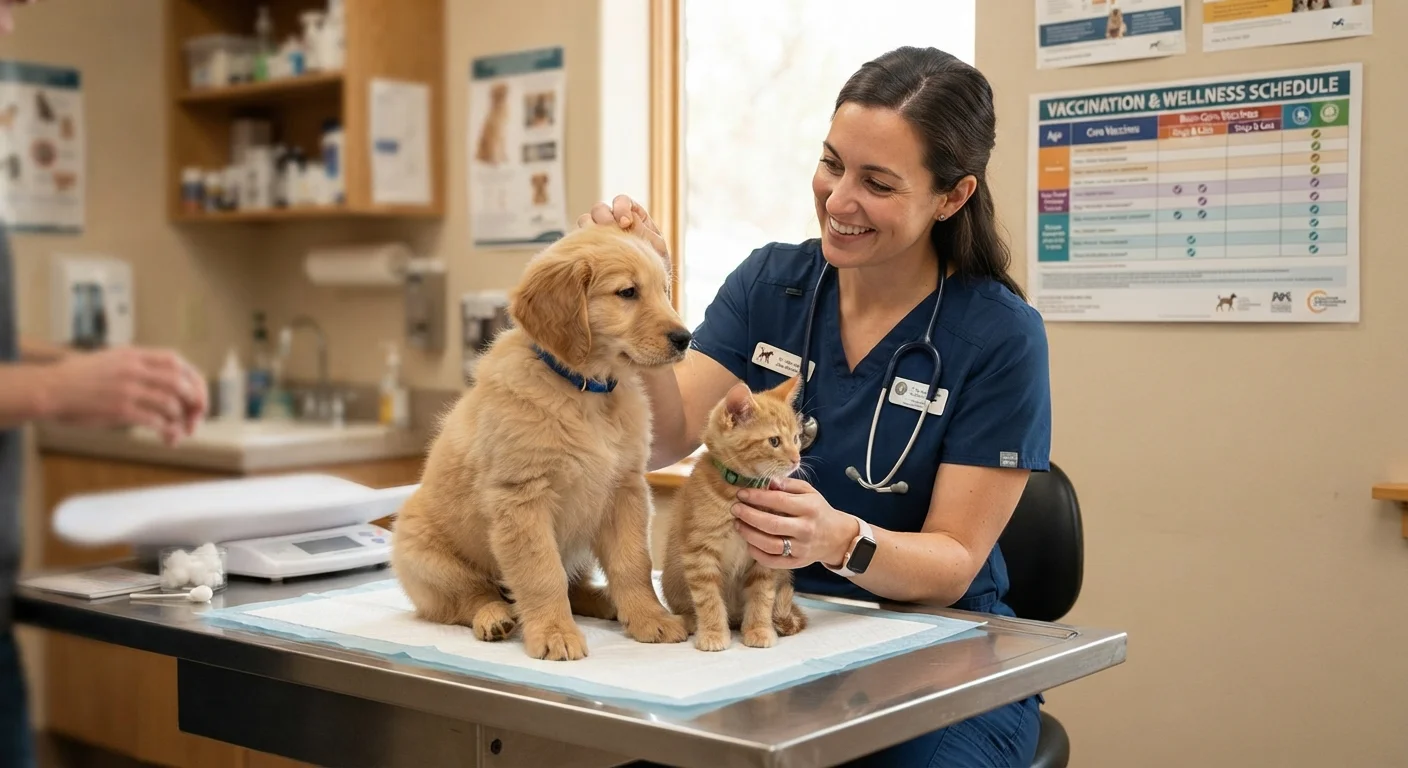
Photo credit: PrimeFaqs.com | Trending And Accurate Content
In this article
Core vs. non-core vaccines, puppy and kitten timelines, and booster intervals — a clear overview of how pet immunization schedules are structured.
Key Takeaways
- Core vaccines protect against the most serious and widespread diseases and are recommended for nearly all dogs and cats.
- Non-core vaccines are selected based on a pet's lifestyle, geographic location, and individual risk factors.
- Puppies and kittens require a series of vaccines during their first months of life to establish lasting immunity.
- Most core vaccines transition to a three-year booster schedule in adult pets after initial series completion.
- Your veterinarian is the right person to tailor a vaccination schedule to your specific pet's needs.
- Keeping vaccination records up to date is important for boarding, travel, and overall preventive care.
Core vs. Non-Core Vaccines: The Essential Distinction
Every vaccination decision starts with one fundamental classification: core versus non-core. This framework, endorsed by veterinary organizations including the American Animal Hospital Association (AAHA) and the American Association of Feline Practitioners (AAFP), helps vets and owners prioritize immunization logically.
Core vaccines are recommended for virtually all dogs or all cats, regardless of where they live or how they spend their time. For dogs, core vaccines typically include canine distemper, parvovirus, adenovirus (hepatitis), and rabies. For cats, the core group includes feline panleukopenia (distemper), feline herpesvirus-1, calicivirus (often combined in the FVRCP vaccine), and rabies. These diseases are either widespread, highly contagious, potentially fatal, or - in the case of rabies - transmissible to humans, making routine protection a public health priority.
Non-core vaccines are given selectively. A dog that visits dog parks or boarding facilities may be vaccinated against Bordetella bronchiseptica (kennel cough) or canine influenza. Pets in regions where leptospirosis is endemic may receive that vaccine. Cats with outdoor access may be candidates for the feline leukemia virus (FeLV) vaccine. The decision depends on your pet's actual risk exposure, not a one-size-fits-all protocol.
Vaccination is one part of a broader preventive care picture. See our overview of what preventive vet care actually includes to understand how it fits alongside other wellness strategies.
Rabies Vaccination Is a Legal Requirement
In most U.S. states, rabies vaccination for dogs and cats is mandated by law - not just a medical recommendation. Requirements vary by state and sometimes by county, including acceptable vaccine intervals and which species are covered. Your veterinarian will know the specific rules in your area.
Puppy and Kitten Vaccination Timelines
Young animals are particularly vulnerable to infectious disease. They receive some passive immunity from their mother's colostrum, but this protection fades during the first weeks of life - and exactly when it wanes varies by individual. That uncertainty is why vets administer vaccines in a series, typically every three to four weeks, to catch the window when the immune system is ready to respond.
For puppies, the core vaccine series generally begins at six to eight weeks of age, with follow-up doses at approximately 12 and 16 weeks. Rabies vaccine is typically given once between 12 and 16 weeks, depending on local regulations. A booster at one year of age consolidates immunity before transitioning to adult intervals.
For kittens, the FVRCP series typically starts at six to eight weeks, with boosters every three to four weeks until around 16 weeks. Rabies is given per local requirements, usually starting at 12 to 16 weeks. FeLV vaccination for kittens with outdoor exposure is typically started at the same time.
Early socialization during this period is also critical. Our article on socialization windows in puppies and kittens explains why these overlapping developmental timelines matter and how to navigate them safely.
Keep a Vaccination Record for Your Pet
Ask your veterinarian for a written or digital copy of your pet's vaccination history after every visit. This record is often required for boarding, grooming, dog parks, and interstate travel. Keeping it current saves time and ensures your pet is never turned away during an important appointment or trip.
Adult Pet Boosters and Long-Term Scheduling
Once a pet completes the initial series and the one-year follow-up, the schedule becomes less intensive. Most core vaccines for adult dogs and cats shift to a three-year booster interval, supported by research showing that duration of immunity for vaccines like distemper and parvovirus extends well beyond one year in most animals.
Rabies vaccination intervals are also governed by state and local law, so requirements vary. Some jurisdictions accept three-year rabies vaccines; others mandate annual administration. Your veterinarian will know the rules in your area.
Non-core vaccines often remain on an annual schedule because immunity duration tends to be shorter or because ongoing exposure risk makes more frequent protection practical. Bordetella, leptospirosis, and canine influenza vaccines typically fall into this category.
Annual wellness exams remain important even when vaccines are on a three-year cycle. Your vet uses these visits to reassess risk, check for new conditions, and decide whether any schedule adjustments are warranted. See our walkthrough of what happens at annual vet visits for a clear picture of what these appointments cover.
3 years
Adult booster interval for most core vaccines
AAHA and AAFP guidelines support three-year intervals for core vaccines like distemper and parvovirus in adult dogs and cats after the initial series is complete.
49 U.S. states
States with mandatory rabies vaccination laws
The vast majority of U.S. states legally require rabies vaccination for domestic dogs and cats; requirements vary by jurisdiction for intervals and species covered.
6-8 weeks
Age when puppy and kitten vaccine series begins
Veterinary guidelines generally recommend starting the core vaccine series at six to eight weeks of age, with booster doses continuing until approximately 16 weeks.
Titer Testing and Individualized Decisions
Some owners and veterinarians use titer testing - a blood test that measures the level of existing antibodies - to assess whether a pet may still carry protective immunity before administering another booster. Titers can be a useful tool, particularly for pets with a history of vaccine reactions or certain health conditions, though they have limitations and are not universally recommended as a substitute for scheduled vaccination.
The appropriateness of titer testing versus routine boosters is a conversation to have directly with your veterinarian. They can weigh your pet's health history, the disease risks in your area, and current veterinary guidelines to guide the decision.
Vaccines are just one dimension of your pet's health routine. Parasite prevention works alongside immunization to keep pets protected year-round. Our overview of flea, tick, and heartworm prevention options explains how these strategies complement each other.
This article is for general educational purposes only and is not a substitute for professional veterinary advice. Always consult a licensed veterinarian for guidance specific to your pet's health needs.
Frequently Asked Questions

Author
Pets & Animals Editorial Team
Pets & Animals Editorial Team is the collective byline for our editorial team and contributor network. Articles published under this byline or an editorial pen name are researched, written, and reviewed according to our editorial standards for clarity, consistency, and independence before publication.
View all articles →