
Cat Dental Health: The Overlooked Wellness Routine Most Owners Skip
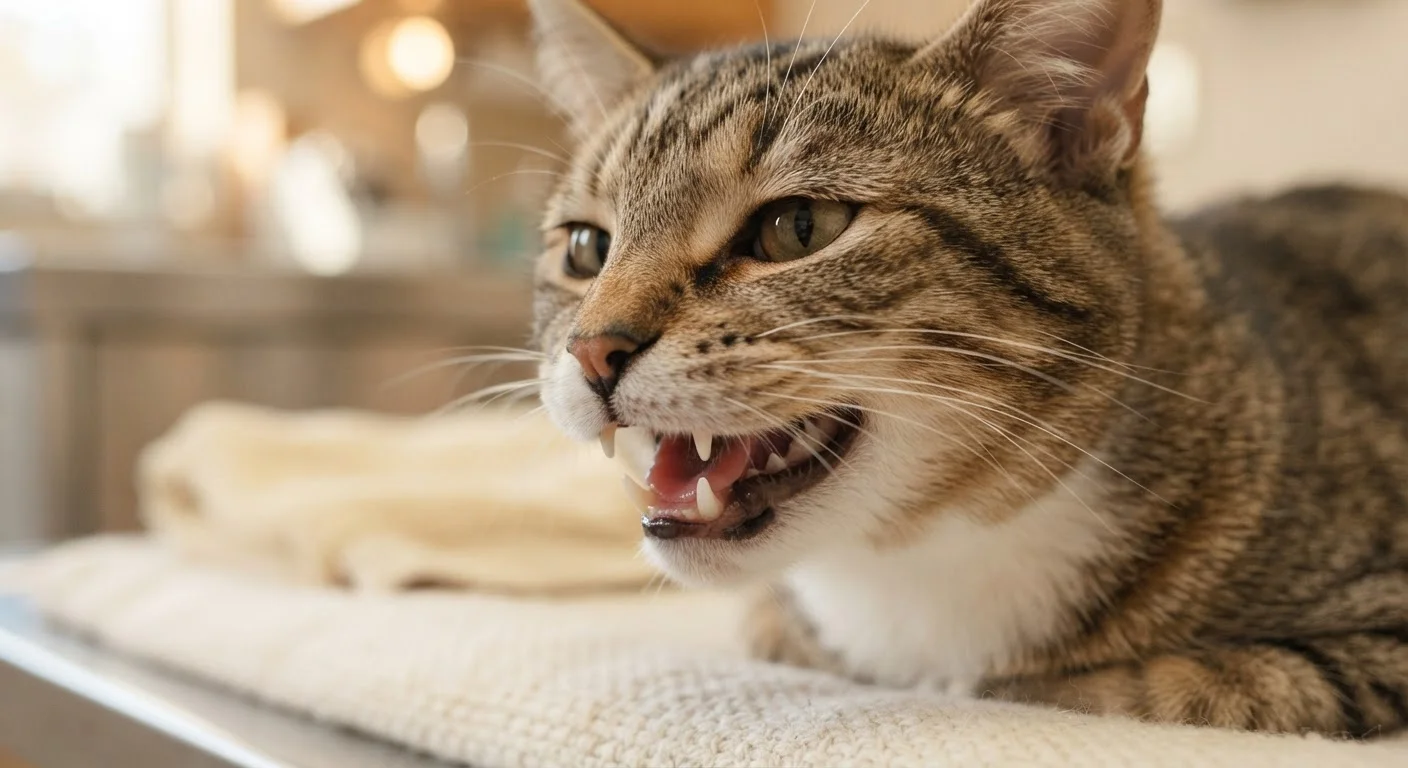
Photo credit: PrimeFaqs.com | Trending And Accurate Content
In this article
Dental disease is one of the most common conditions in cats. Here's what good oral care looks like and why it matters beyond just fresh breath.
Key Takeaways
- Periodontal disease is among the most common conditions diagnosed in cats over age three.
- Dental disease in cats can progress silently - many cats continue eating even with significant oral pain.
- At-home tooth brushing, when done consistently, is the most effective daily prevention tool available.
- Professional dental cleanings under anesthesia are the only way to address tartar below the gumline.
- Signs like bad breath, drooling, or pawing at the mouth warrant a veterinary evaluation.
Why Cat Dental Health Gets Overlooked
Most cat owners are diligent about food, litter, and annual vaccines - but oral care rarely makes the list. Part of the reason is visibility: cats are stoic animals that instinctively mask discomfort, and dental pain is no exception. A cat with significant periodontal disease may continue eating, grooming, and behaving relatively normally, giving owners little reason to suspect a problem.
The other barrier is practicality. Brushing a cat's teeth sounds daunting, and many owners assume it isn't realistic. But veterinary dental guidelines consistently identify at-home oral care as one of the highest-value wellness habits an owner can build - and it's more achievable than most people think when started gradually.
Dental disease doesn't just affect the mouth. Chronic oral infection and inflammation have been associated with broader systemic effects in pets, though the precise mechanisms are still being studied. That makes oral care worth treating as a genuine wellness priority, not an optional extra. For a fuller picture of what routine preventive care covers, see what veterinary preventive care actually includes.
What Good Cat Oral Care Actually Looks Like
Effective dental care for cats involves both professional and at-home components. Neither alone is sufficient.
Introduce tooth brushing gradually using cat-safe enzymatic toothpaste
Daily brushing is the gold standard for plaque removal in cats, according to veterinary dental guidelines. Human toothpaste contains fluoride and other ingredients that are toxic to cats - only pet-specific formulations should be used. Starting slowly, with finger brushing and gradual introduction of a soft brush, dramatically increases long-term compliance.
Schedule professional dental cleanings as recommended by your veterinarian
At-home brushing addresses plaque on visible tooth surfaces, but tartar that has mineralized below the gumline can only be removed under anesthesia with specialized dental instruments. Skipping professional cleanings allows subgingival disease to progress undetected. Your vet will recommend a cleaning schedule based on your cat's individual oral health status.
Make oral inspection part of your regular at-home wellness observations
You don't need to be a veterinarian to notice gum redness, visible tartar, or changes in your cat's eating behavior. Catching early warning signs between vet appointments can significantly affect outcomes. Brief, calm oral checks also help desensitize cats to handling, making professional exams easier.
Ask your veterinarian about VOHC-accepted dental health supplements or chews
For cats that resist brushing, adjunct tools - such as water additives, dental chews, or gels carrying the Veterinary Oral Health Council (VOHC) seal - can provide some additional benefit. These are not substitutes for brushing but can help slow plaque accumulation between professional cleanings.
Discuss anesthesia concerns with your vet rather than avoiding dental cleanings
Concern about anesthetic risk is one of the most common reasons owners delay or skip professional dental cleanings. While anesthesia does carry some risk - particularly in older or medically complex cats - untreated dental disease also carries risk. Pre-anesthetic bloodwork and individualized protocols have made anesthetic dental procedures significantly safer. Your veterinarian can walk you through the risk-benefit analysis for your specific cat.
Warning Signs Owners Should Know
Because cats hide discomfort so well, owners need to know what to look for. The following signs may indicate an oral health problem that warrants a veterinary exam:
- Persistent bad breath - beyond normal "cat breath," a foul or distinctly foul odor can signal infection or decay
- Drooling or dropping food - particularly if this is new behavior
- Pawing at the mouth or face
- Reduced interest in dry or harder foods
- Visible tartar - yellow or brown buildup along the gumline
- Red, swollen, or bleeding gums
- Weight loss or changes in eating behavior
None of these signs are diagnostic on their own, and this list is not a substitute for professional evaluation. If you notice any combination of these, a veterinary appointment is the appropriate next step. Integrating oral observation into a broader at-home routine - such as a monthly pet wellness check - can help you catch changes earlier.
70-85%
Cats over age 3 with some degree of dental disease
This estimate is widely cited by veterinary dental organizations, including the American Veterinary Dental College, reflecting how prevalent the condition is in the general cat population.
~1 in 3
Cat owners who regularly brush their cat's teeth
Industry surveys and veterinary practice observations consistently suggest that the majority of cat owners do not maintain a regular at-home brushing routine.
Diet's Role in Dental Health
Food choices can influence oral health, though they're not a replacement for brushing or professional cleanings. Certain dry kibble formulations are designed to provide mild mechanical abrasion as cats chew, which may help slow tartar accumulation on crown surfaces. However, this effect doesn't reach below the gumline where periodontal disease actually develops.
Wet food, by contrast, offers real benefits for overall feline health - particularly hydration - but provides minimal mechanical cleaning. The wet food vs. dry kibble trade-offs are worth understanding in full, especially since nutrition and dental health are often discussed together but involve different considerations.
If you're interested in dental-specific diets, ask your veterinarian about formulas that carry a Veterinary Oral Health Council (VOHC) seal, which indicates the product has met independently evaluated efficacy standards for plaque or tartar reduction.
This article is for general informational purposes only and does not constitute veterinary advice. Always consult a licensed veterinarian for guidance specific to your cat's health needs.

Author
Pets & Animals Editorial Team
Pets & Animals Editorial Team is the collective byline for our editorial team and contributor network. Articles published under this byline or an editorial pen name are researched, written, and reviewed according to our editorial standards for clarity, consistency, and independence before publication.
View all articles →