
Keeping an Aging Pet Comfortable: Wellness Adjustments for Senior Animals
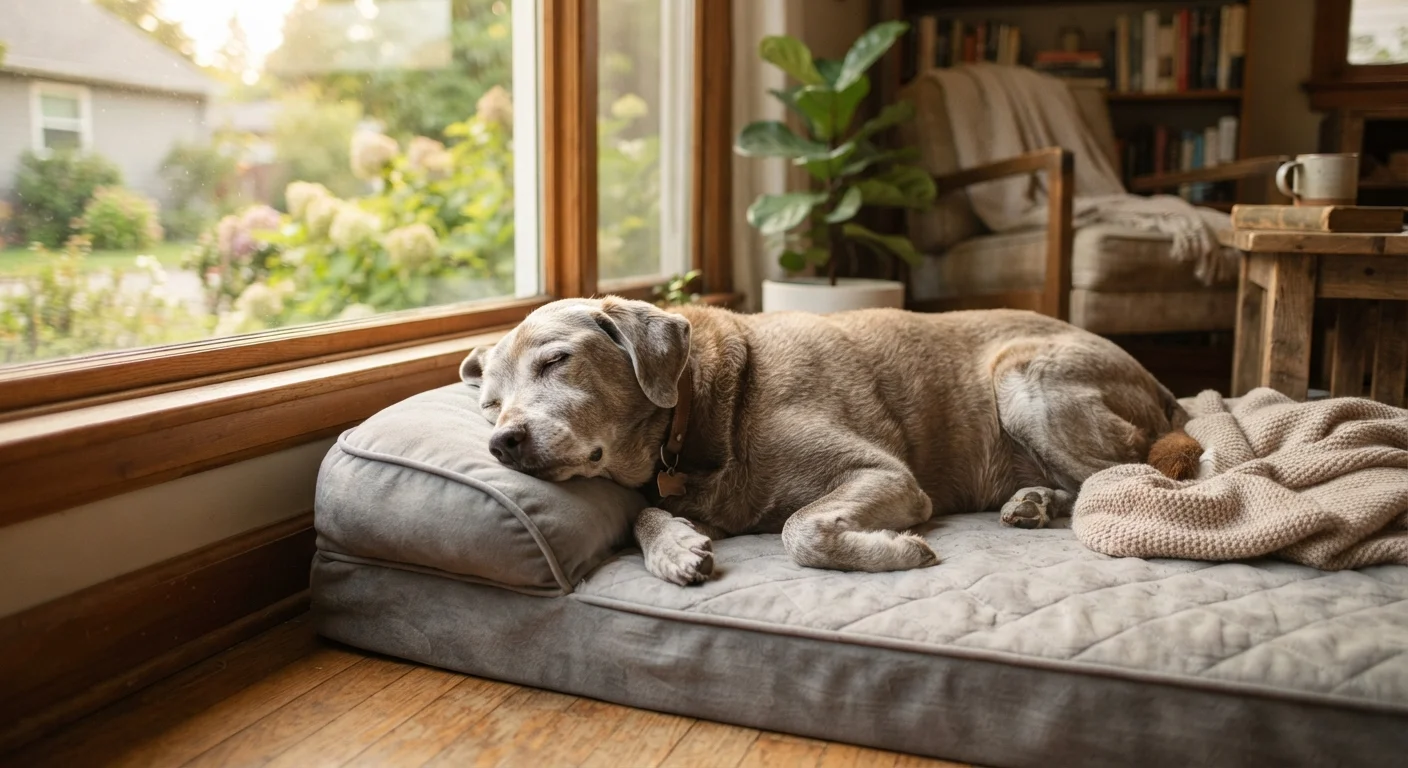
Photo credit: PrimeFaqs.com | Trending And Accurate Content
In this article
Senior pets have different nutritional, exercise, and monitoring needs. Learn how wellness routines typically shift as your pet enters their later years.
Key Takeaways
- Senior pets-generally dogs over 7 and cats over 10-have distinct nutritional, exercise, and monitoring needs.
- Twice-yearly veterinary wellness exams are widely recommended for aging animals instead of annual visits.
- Physical environment adjustments, such as ramps and orthopedic bedding, can meaningfully reduce daily discomfort.
- Subtle behavioral changes in older pets can signal pain or illness and deserve prompt veterinary attention.
- Consistency in routine reduces anxiety and supports cognitive health in aging dogs and cats.
Understanding When 'Senior' Begins
The age at which a pet is considered senior varies by species and size. Most veterinarians classify dogs as senior around age 7, though large and giant breeds may enter this life stage closer to 5 or 6. Cats are generally considered senior at around 10 years. These aren't rigid thresholds - they're useful starting points for revisiting your pet's care routine with fresh eyes.
For a broader picture of how canine needs shift across an entire lifetime, see our guide on caring for a dog from puppy to senior. Understanding what's typical at each stage helps you recognize when something has genuinely changed.
Aging itself is not a disease. Many senior pets remain active, curious, and joyful well into their later years. The goal of a senior wellness routine is to support that quality of life - catching emerging issues early, easing physical discomfort, and making daily life more navigable as your pet's body gradually changes.
What to Adjust and Why
Wellness routines for senior pets typically shift in four key areas: veterinary care frequency, nutrition, physical environment, and observation habits.
Veterinary Care
Most veterinary organizations recommend moving aging pets to twice-yearly wellness exams rather than annual visits. This increased frequency allows your veterinarian to establish baseline values for bloodwork, weight, and organ function - making it easier to detect gradual changes that might otherwise go unnoticed. Ask your vet whether senior-specific screening panels are appropriate for your pet.
Nutrition
Older animals often have different caloric needs, protein requirements, and digestive sensitivities than their younger counterparts. Weight management becomes especially important: both obesity and unintended weight loss carry health risks in senior pets. Your veterinarian is the best resource for evaluating whether a diet change is warranted - avoid switching foods or adding supplements without professional guidance.
Senior Nutrition Is Highly Individual
There is no single 'best' senior pet diet. Age, breed, weight, and existing health conditions all influence what's appropriate. A food labeled for senior pets may not be the right fit for your specific animal. Work with your veterinarian to evaluate body condition and nutritional needs before making any changes.
Physical Environment
Arthritis and joint stiffness are common in older dogs and cats. Simple home modifications - orthopedic or memory-foam bedding, non-slip rugs on hardwood floors, ramps or steps near furniture and vehicles, and raised food and water bowls - can reduce strain and improve daily comfort. Keep litter boxes low-sided for senior cats who may struggle to step over a high edge.
Observation Habits
Your daily interactions are one of the most valuable diagnostic tools available. Changes in appetite, water intake, mobility, sleep patterns, or social behavior can all be early signals worth discussing with your vet. Increased thirst in particular is worth noting - it's associated with several conditions that respond well to early intervention. A structured monthly check-in, like the one outlined in our monthly pet wellness check routine, can help you build a consistent baseline.
Step-by-Step: Building a Senior Wellness Routine
The steps below are designed to help you establish a practical, sustainable routine for your aging pet. None of these replace veterinary care - they are meant to complement it.
Schedule a Senior Wellness Baseline Appointment
Book a comprehensive veterinary exam if your pet hasn't had one recently. Ask specifically about senior bloodwork panels, blood pressure screening, dental health, and joint assessment. This visit establishes benchmarks your vet will use to track changes over time.
Reassess Your Pet's Diet With Veterinary Input
Discuss your pet's current food, portion sizes, and body condition score with your veterinarian. Senior animals may benefit from adjusted protein levels, added joint-supporting nutrients, or a lower-calorie formula - but the right choice depends on your specific animal's health status, not a general label claim.
Audit and Modify Your Pet's Living Space
Walk through your home from your pet's perspective. Identify surfaces where traction is poor, locations that require jumping or climbing, and sleeping areas that may be too firm or too exposed to drafts. Add orthopedic bedding, non-slip mats, and access ramps or steps where needed. For cats, ensure litter box access is easy and pain-free.
Adjust Exercise to Match Current Ability
Senior pets generally benefit from continued, gentle activity rather than sedentary rest. Shorter, more frequent walks replace longer outings for older dogs. Low-impact play - such as puzzle feeders or gentle interactive toys - keeps cats mentally and physically engaged without stressing aging joints. Follow your pet's lead and watch for signs of fatigue or stiffness afterward.
Establish a Monthly At-Home Observation Routine
Set a recurring time each month to systematically observe your pet. Check coat and skin condition, look at the eyes and ears, feel for any new lumps or areas of tenderness, note weight changes, and reflect on any shifts in behavior or habits. Keep brief notes so you can report accurately to your veterinarian.
Maintain Routine and Minimize Unnecessary Stress
Predictable daily routines support emotional wellbeing in senior pets, particularly those showing early signs of cognitive changes. Feed, walk, and engage with your pet at consistent times. Minimize major environmental disruptions where possible, and provide quiet, accessible rest spaces away from household noise and activity.
As you observe your pet more closely, you may also notice behavioral signals that are easy to overlook. Our article on signs your pet may be carrying hidden stress covers subtle cues - including posture, social withdrawal, and changes in reactivity - that can indicate pain or anxiety in older animals.
Grooming also deserves attention as pets age. Reduced flexibility can make self-grooming harder for cats, and skin and coat changes are common. Low-stress techniques covered in our home grooming guide apply particularly well to senior animals who may be more sensitive to handling.
This article is for general informational and educational purposes only and is not a substitute for professional veterinary advice, diagnosis, or treatment. Always consult a licensed veterinarian for guidance specific to your pet's health needs.

Author
Pets & Animals Editorial Team
Pets & Animals Editorial Team is the collective byline for our editorial team and contributor network. Articles published under this byline or an editorial pen name are researched, written, and reviewed according to our editorial standards for clarity, consistency, and independence before publication.
View all articles →