
When Pets Drink More Water Than Usual: What It Might Mean
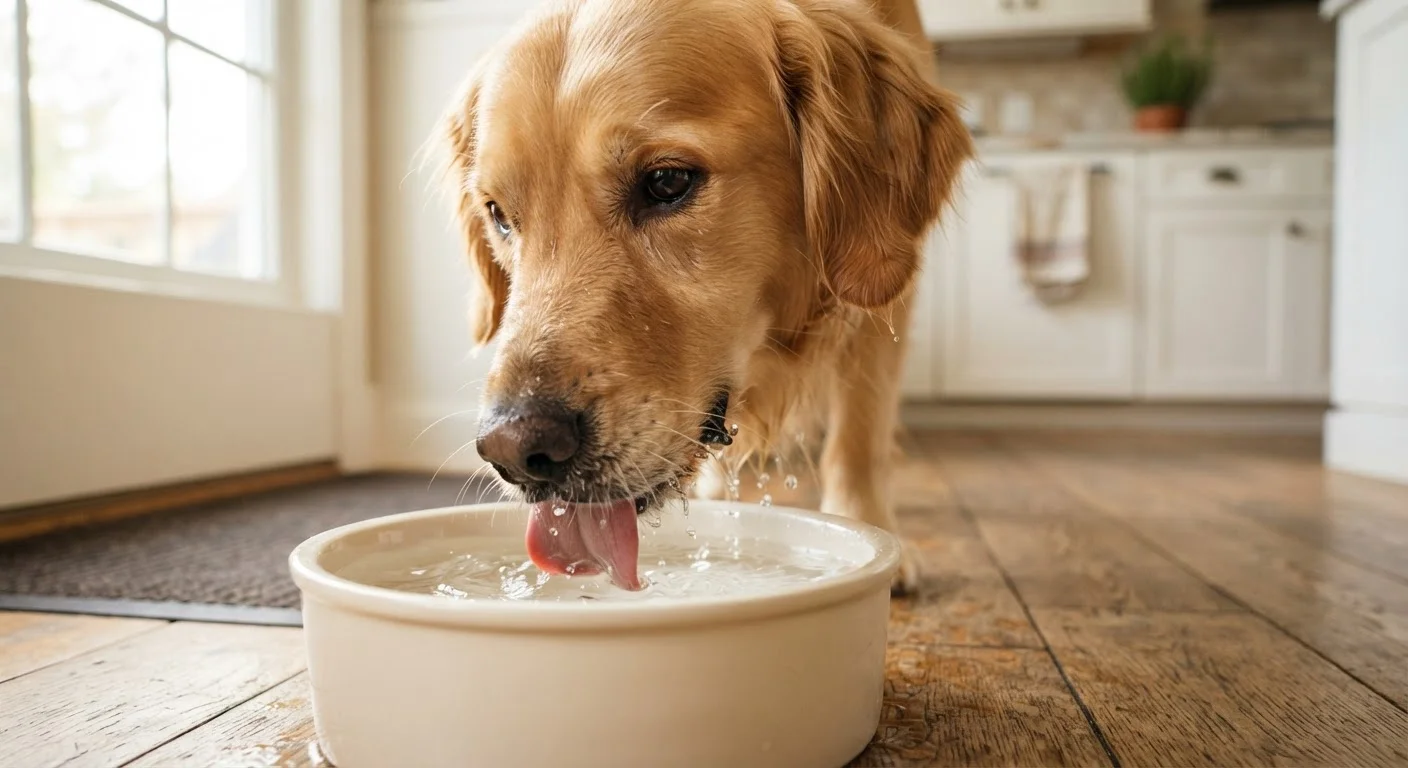
Photo credit: PrimeFaqs.com | Trending And Accurate Content
In this article
Increased thirst in dogs and cats can be a routine change or an early signal of a health issue. Learn which conditions are commonly associated with it.
Key Takeaways
- Increased water intake in pets is called polydipsia and can be an early health signal worth monitoring.
- Several common conditions - including diabetes, kidney disease, and Cushing's disease - are associated with excessive thirst.
- Diet changes, such as switching to dry food, can also explain temporary increases in drinking.
- Tracking your pet's daily water intake gives your veterinarian useful baseline data.
- A veterinary visit is the appropriate next step when increased thirst persists or is accompanied by other symptoms.
- Senior pets are more likely to develop conditions linked to increased thirst and benefit from closer routine monitoring.
What Counts as "Too Much" Water?
Most pet owners don't measure their dog's or cat's daily water intake precisely - and that's normal. But when you notice the water bowl emptying faster than usual, it's worth paying attention. The challenge is that what looks like a lot can sometimes be entirely appropriate given the circumstances.
Warmer temperatures, a more active day, or a recent transition from wet food to dry kibble can all produce a noticeable uptick in drinking. As explained in our article on wet food vs. dry kibble for cats and dogs, moisture content in food directly affects how much water pets seek out separately. A pet newly eating only dry kibble may seem to drink constantly by comparison.
That said, unexplained or persistent increases - particularly when paired with other behavioral or physical changes - deserve closer attention. The starting point is building a sense of your pet's typical baseline.
Build a Baseline Before Anything Changes
The easiest time to establish your pet's normal water intake is before any concerns arise. Spend a few days measuring and logging how much water your pet typically consumes. Having that reference point makes it much easier to recognize when something has genuinely shifted - and gives your veterinarian a useful starting number.
Health Conditions Commonly Associated with Increased Thirst
Several well-documented medical conditions list polydipsia among their early or primary symptoms. This is not an exhaustive medical list, and only a veterinarian can diagnose the cause - but understanding what conditions are associated with this sign helps owners take the right next steps.
- Diabetes mellitus: Both dogs and cats can develop diabetes. The body's inability to regulate blood sugar properly leads to increased glucose in the urine, which draws more water out - resulting in frequent urination and corresponding thirst.
- Chronic kidney disease (CKD): As kidney function declines, the kidneys lose their ability to concentrate urine effectively. The body compensates by drinking more water. CKD is especially common in older cats.
- Cushing's disease (hyperadrenocorticism): Overproduction of cortisol - most common in middle-aged to older dogs - disrupts multiple body systems and typically causes dramatic increases in thirst, urination, and appetite.
- Pyometra: This serious uterine infection in intact female dogs and cats can cause polydipsia alongside other systemic signs. It is a medical emergency requiring prompt veterinary care.
- Liver disease and hyperthyroidism: Both conditions, particularly hyperthyroidism in cats, are associated with increased water intake as the body attempts to compensate for metabolic disruption.
~1 in 300
Dogs affected by diabetes mellitus
Research published in veterinary internal medicine literature estimates diabetes mellitus affects roughly 1 in 300 dogs, with prevalence rising in middle-aged and older animals.
30-40%
Senior cats affected by chronic kidney disease
Studies in feline medicine suggest chronic kidney disease affects an estimated 30-40% of cats over 10 years of age, making it one of the most common senior cat diagnoses.
Top 3
Rank of CKD among feline senior health conditions
Chronic kidney disease, hyperthyroidism, and diabetes are consistently cited among the most common conditions diagnosed in older cats by veterinary practitioners.
Certain medications, including corticosteroids, can also cause temporary polydipsia. If your pet has recently started a new medication, that context is worth mentioning to your vet.
How to Monitor and What to Tell Your Vet
If you suspect your pet is drinking more than usual, the most useful thing you can do before a veterinary visit is track water intake. Measure the amount added to the bowl each morning and note roughly how much remains at the end of the day. Do this for several consecutive days. Even an approximate record gives your veterinarian meaningful data to work with.
Also note any accompanying changes, such as:
- Increased or decreased urination (including accidents indoors)
- Weight loss or gain
- Changes in appetite or energy
- Vomiting, diarrhea, or coat changes
These observations are especially important for senior pets. As covered in our guide on keeping an aging pet comfortable, older animals are more likely to develop kidney disease, diabetes, and other conditions where water intake changes are an early indicator. More frequent wellness checkups are generally recommended for pets entering their senior years.
Changes in drinking behavior can also sometimes reflect stress. Our article on signs your pet may be carrying hidden stress outlines other subtle cues that owners often overlook.
This article is for general informational purposes only and does not constitute veterinary advice. If you are concerned about your pet's health, consult a licensed veterinarian who can evaluate your individual animal.
Frequently Asked Questions

Author
Pets & Animals Editorial Team
Pets & Animals Editorial Team is the collective byline for our editorial team and contributor network. Articles published under this byline or an editorial pen name are researched, written, and reviewed according to our editorial standards for clarity, consistency, and independence before publication.
View all articles →