
What Your Dog's Coat Is Telling You About Their Health
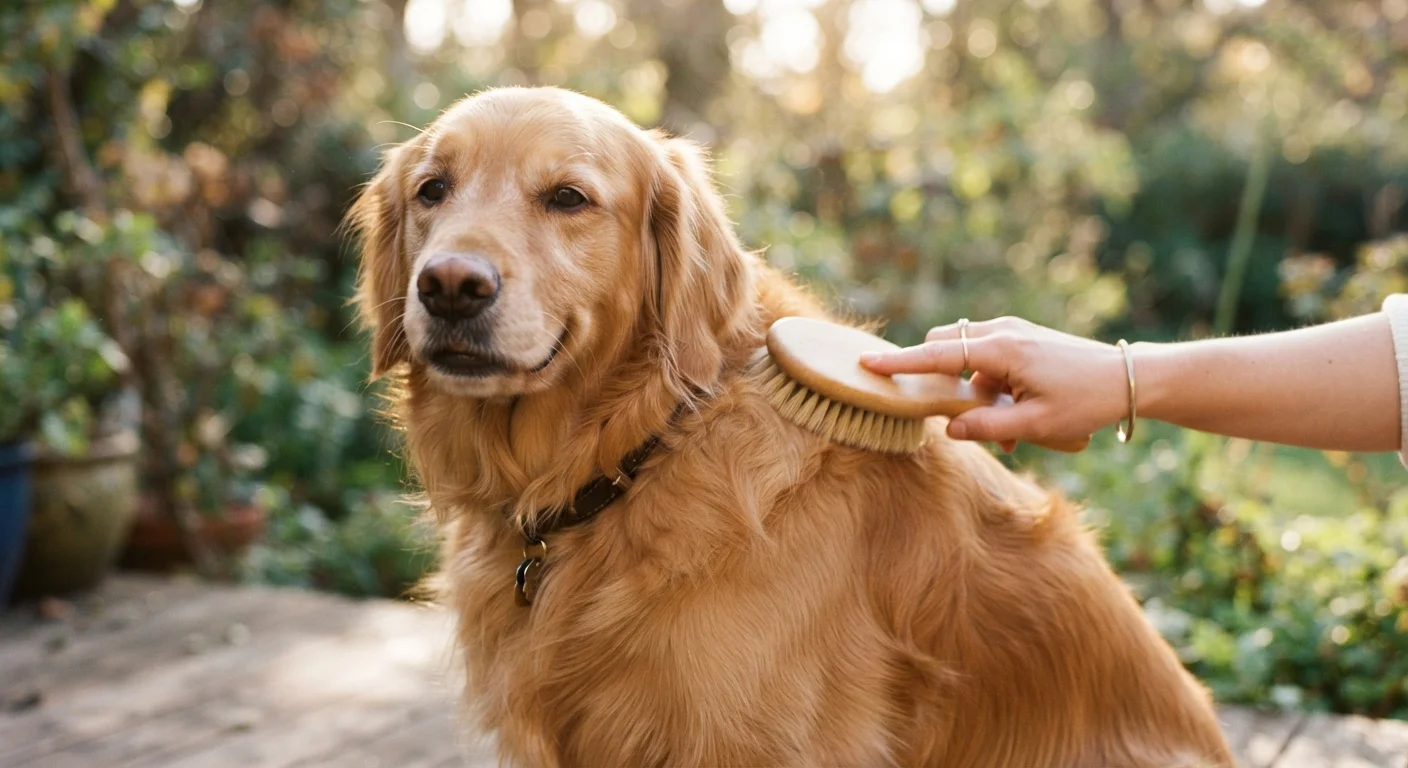
Photo credit: PrimeFaqs.com | Trending And Accurate Content
In this article
Dull fur, excessive shedding, or bald patches can signal underlying issues. Learn what coat changes in dogs may indicate about their overall wellness.
Key Takeaways
- A dull, dry, or brittle coat can suggest nutritional deficiencies or underlying illness.
- Excessive shedding beyond seasonal norms may point to stress, thyroid dysfunction, or parasites.
- Bald patches, flaking skin, or persistent scratching warrant a veterinary evaluation.
- Diet, hydration, and grooming frequency all play direct roles in coat quality.
- Most coat changes are gradual - routine observation helps you catch shifts early.
What a Healthy Dog Coat Looks and Feels Like
Before identifying problems, it helps to know the baseline. A healthy dog coat typically feels soft or sleek depending on the breed, lies flat without large mats, and has a natural sheen - not necessarily glossy, but not visibly dry or brittle either. The skin beneath should be clean, supple, and free from flaking, redness, or odor.
Coat type varies enormously across breeds. A Labrador Retriever's short, dense double coat looks very different from an Afghan Hound's silky flowing fur or a Poodle's curly, non-shedding coat. Knowing what's typical for your specific dog - including normal seasonal shedding patterns - is the foundation of useful coat observation. Coat characteristics also evolve across a dog's life stages, so what's normal for a puppy may differ from what's expected in a senior dog.
Common Coat Changes and What They May Signal
Coat changes rarely appear in isolation - they're usually accompanied by other subtle signs. Here's what veterinarians and pet health experts commonly associate with specific coat symptoms:
- Dull or dry fur: Often linked to insufficient dietary fat, particularly omega-3 and omega-6 fatty acids. It can also appear with dehydration, hypothyroidism, or Cushing's disease. Over-bathing and harsh shampoos are common non-medical causes.
- Excessive shedding: Seasonal shedding is normal, but shedding that's sudden, heavy year-round, or patchy may reflect stress, nutritional gaps, hormonal imbalance, or external parasites. Stress-related coat changes are more common than many owners realize.
- Bald patches or thinning areas: Localized hair loss can indicate ringworm, mange, allergies, or hormonal conditions. Symmetrical thinning on both sides of the body is a classic sign veterinarians associate with endocrine disorders.
- Flaky or scaly skin: Dandruff-like flaking may be seborrhea (a skin condition), a dietary issue, or a sign of environmental allergens. It can also occur with low humidity, especially in winter.
- Greasy or odorous coat: Excess oil production or persistent odor - beyond what a bath resolves - can point to seborrheic dermatitis, bacterial skin infections, or yeast overgrowth.
~35%
Dogs affected by skin or coat conditions annually
Dermatological issues are consistently among the most common reasons dogs visit veterinary clinics in the U.S., according to veterinary industry health data.
Up to 15%
Dogs with hypothyroidism show coat changes
Coat deterioration - including dullness, thinning, and symmetrical hair loss - is one of the most frequently reported signs of thyroid dysfunction in dogs, per veterinary endocrinology literature.
2-6 weeks
Time for dietary changes to affect coat appearance
Veterinary nutritionists generally note that coat improvements from dietary adjustments are not immediate - owners typically need several weeks to observe visible changes.
The Role of Nutrition and Hydration
Diet is one of the most direct levers owners have for influencing coat health. Protein is the structural building block of hair, and deficiencies - even mild ones - can manifest as a coarse, thinning, or lackluster coat. Fatty acids, particularly EPA and DHA from marine sources and linoleic acid from plant oils, are critical for maintaining the skin's moisture barrier and giving fur its natural sheen.
Micronutrients matter too. Zinc plays a role in skin cell regeneration; biotin (a B vitamin) supports keratin production; and vitamin E acts as an antioxidant that protects skin tissue. These needs are typically met by a complete and balanced diet formulated to AAFCO standards, but gaps can occur with low-quality food, restrictive diets, or poor absorption due to underlying gut issues.
Hydration is often overlooked. A chronically under-hydrated dog may show dry, dull skin and a lifeless coat. Ensuring consistent access to fresh water - and monitoring intake - is a simple but meaningful part of coat care. Not every supplement marketed for coat health has strong evidence behind it, so consult your vet before adding anything to your dog's regimen.
Build a Coat Baseline Early
Take photos of your dog's coat every few months in consistent lighting - this creates a simple visual record that makes gradual changes much easier to spot. Share these photos with your veterinarian if you notice something shifts; visual documentation can be genuinely helpful during an exam.
Grooming, Environment, and When to See a Vet
Regular grooming does more than keep your dog looking tidy - it distributes natural skin oils, removes allergens and debris, and gives you a consistent, hands-on opportunity to notice lumps, sores, parasites, or new skin changes. Incorporating a coat check into a monthly pet wellness routine helps establish a clear picture of what's normal for your dog.
Environmental factors also affect coat quality. Low indoor humidity, frequent swimming, or exposure to harsh chemicals can all degrade fur and skin condition over time. Seasonal allergies - triggered by pollen, mold, or grasses - are a common cause of itching, skin irritation, and secondary coat damage from scratching.
Most coat concerns resolve with dietary or grooming adjustments, but some require professional evaluation. Contact your veterinarian when you notice bald patches, inflamed skin, sudden changes in shedding pattern, persistent scratching or self-trauma, or coat changes alongside other symptoms like weight shifts or behavioral changes. Early assessment leads to faster resolution and rules out conditions that worsen if left unaddressed.
This article is for general informational purposes only and does not constitute veterinary medical advice. Always consult a licensed veterinarian for concerns about your pet's health.
Frequently Asked Questions

Author
Pets & Animals Editorial Team
Pets & Animals Editorial Team is the collective byline for our editorial team and contributor network. Articles published under this byline or an editorial pen name are researched, written, and reviewed according to our editorial standards for clarity, consistency, and independence before publication.
View all articles →