
Why Bathroom Tile Grout Cracks - and What Actually Fixes It Long-Term
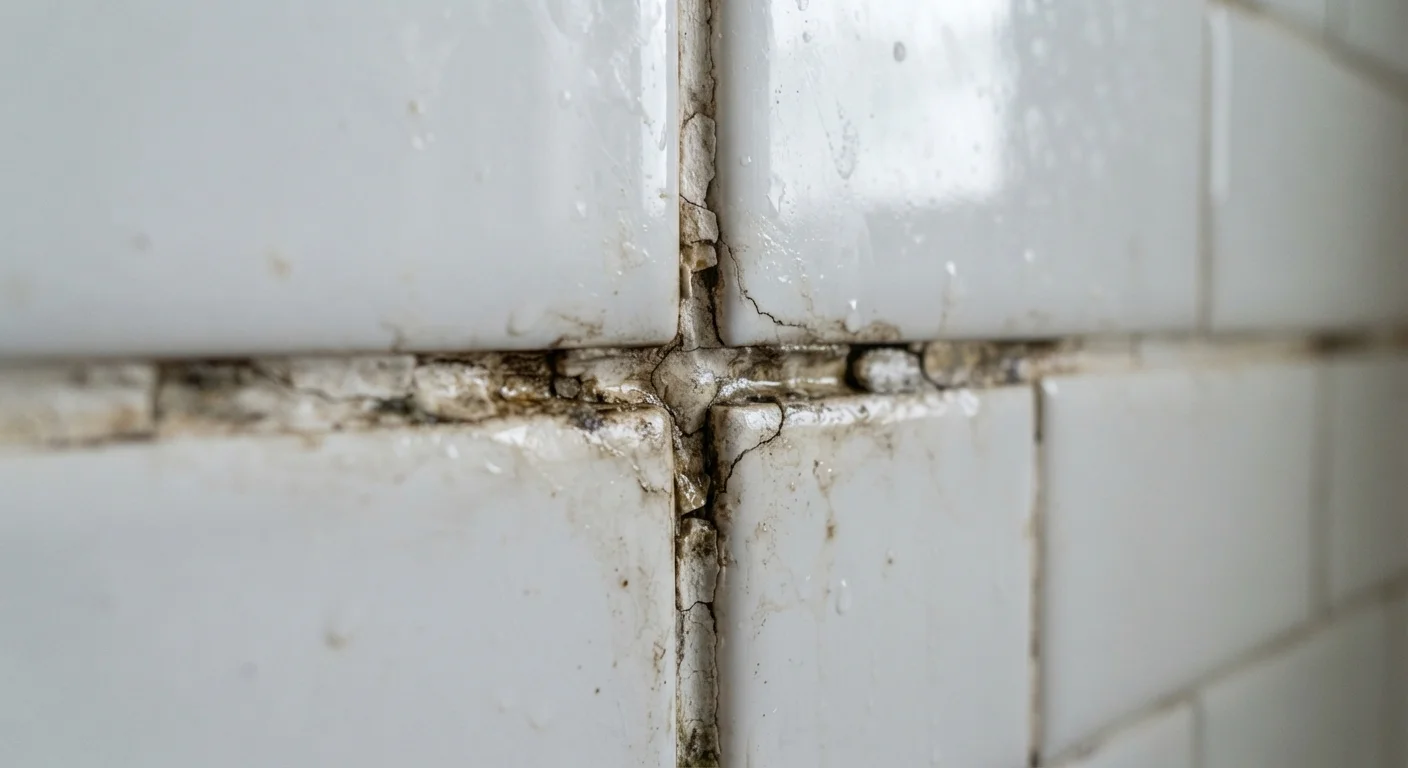
Photo credit: PrimeFaqs.com | Trending And Accurate Content
In this article
Cracked grout is rarely just cosmetic. Explore the structural and moisture causes behind tile grout failure and the repair approaches that hold up over time.
Key Takeaways
- Cracked grout is often caused by structural movement or improper installation, not just age.
- Using the wrong grout type or skipping a primer coat are common DIY mistakes that cause early failure.
- Moisture infiltration behind tiles can cause far more damage than the cracked grout itself.
- Epoxy grout and proper substrate preparation significantly extend repair longevity.
- Persistent or widespread cracking may signal a problem requiring a licensed contractor's assessment.
Why Grout Cracks in the First Place
Grout lines may look like a finishing detail, but they perform a structural role - absorbing minor movement between tiles and keeping moisture out of the substrate beneath. When grout cracks, something has disrupted that balance.
The most common underlying causes include:
- Substrate movement: Floors and walls flex slightly under load or temperature changes. If the substrate - cement board, drywall, or a wood subfloor - shifts even a fraction, rigid grout cracks rather than flexes.
- Subfloor deflection: In bathrooms built over joist-framed floors, excessive bounce or flex in the subfloor is a top cause of recurring grout failure in floor tiles.
- Thermal expansion: Tiles and grout expand and contract at different rates. Without proper expansion gaps at wall-floor transitions, pressure builds and grout cracks under the tile edges.
- Settlement: In newer construction or after plumbing work, the home's structure may settle, stressing tile assemblies that were installed before movement stabilized.
Understanding the root cause is the only way to determine whether a repair will hold or simply fail again in six months.
Moisture Behind Tiles Is a Serious Risk
Cracked grout creates an entry point for water to reach the substrate and wall cavity. Over time, this can lead to mold growth, rotted framing, and damaged drywall - problems far more expensive than re-grouting. If you notice soft drywall near tile edges, discoloration, or a musty smell, investigate the substrate condition before regrouting. A waterproofing membrane may need to be replaced.
Mistakes That Make Grout Failure Worse
Most homeowners address cracked grout by regrouting - and most of those repairs fail prematurely. Here's why:
Grouting over cracked or damaged grout without fully removing it first.
Why it happens: It seems faster to add a thin layer over existing grout than to chisel it out entirely. Many homeowners underestimate how important a clean, solid base is.
Using sanded grout in joints narrower than 1/8 inch, or unsanded grout in joints wider than that threshold.
Why it happens: Many homeowners pick grout based on color match alone, unaware that grout type is determined by joint width - not aesthetics.
Skipping the cure time and exposing fresh grout to water within 24-72 hours of application.
Why it happens: Once the grout looks dry, it's tempting to assume it's ready. But grout achieves its working strength through a chemical curing process that takes time.
Failing to seal cement-based grout after installation or repair.
Why it happens: Sealing is often treated as optional, especially in DIY projects where it comes at the end of an already long task.
Ignoring the expansion gap at wall-floor corners and installing grout all the way into the joint.
Why it happens: Grouting the perimeter looks cleaner and feels more finished, but it eliminates the room for movement that the joint is designed to provide.
Fixing grout without addressing what caused it to crack is the single most common path to a second failed repair. Take the time to diagnose before you mix anything.
Repair Approaches That Actually Hold
Once you've identified the root cause, the repair approach matters as much as the materials you choose.
70%
Tile failures linked to substrate issues
Industry installers and tile associations commonly attribute a large majority of tile and grout failures to improper substrate preparation rather than the tile or grout product itself.
3-5x
Longer lifespan of epoxy vs. cement grout
Epoxy grout is widely cited by tile industry professionals as lasting significantly longer than standard cement-based grout in wet, high-traffic bathroom environments.
Patching vs. Full Regrout
For isolated cracks in a stable substrate, removing the damaged grout with an oscillating tool or grout saw and applying fresh grout of the same type can be effective. Clean the joint thoroughly, allow the area to dry completely, and apply grout in thin, even passes.
When to Choose Epoxy Grout
Epoxy grout - a blend of epoxy resin and hardener - is far more resistant to cracking, staining, and moisture than standard cement-based grout. It's a strong choice for shower floors and areas subject to frequent water exposure, though it requires more careful application and is less forgiving of mixing errors.
Using Caulk at Movement Joints
Wall-to-floor corners and transitions around fixtures should never be grouted - they should be caulked with a flexible, mold-resistant silicone or sanded acrylic caulk. Grout in these locations will always crack because they're movement zones by design.
Don't Patch What Needs Replacing
If tiles are loose, sound hollow when tapped, or if the substrate has been compromised by water, surface grout repair is not a lasting solution. Applying new grout over a failed substrate delays the inevitable and may allow hidden water damage to worsen. A qualified tile contractor can assess whether the installation needs partial or full replacement - an investment that protects the structure of your home.
When to Call a Contractor
If grout is cracking across a large area, if tiles are loose or hollow-sounding when tapped, or if you notice soft spots in the subfloor, a licensed tile contractor or general contractor should assess the situation. Widespread failure often signals substrate damage, waterproofing failure, or structural movement that DIY grout repair cannot resolve.

Author
Home & Garden Editorial Team
Home & Garden Editorial Team is the collective byline for our editorial team and contributor network. Articles published under this byline or an editorial pen name are researched, written, and reviewed according to our editorial standards for clarity, consistency, and independence before publication.
View all articles →