
Starting a Vegetable Garden from Zero
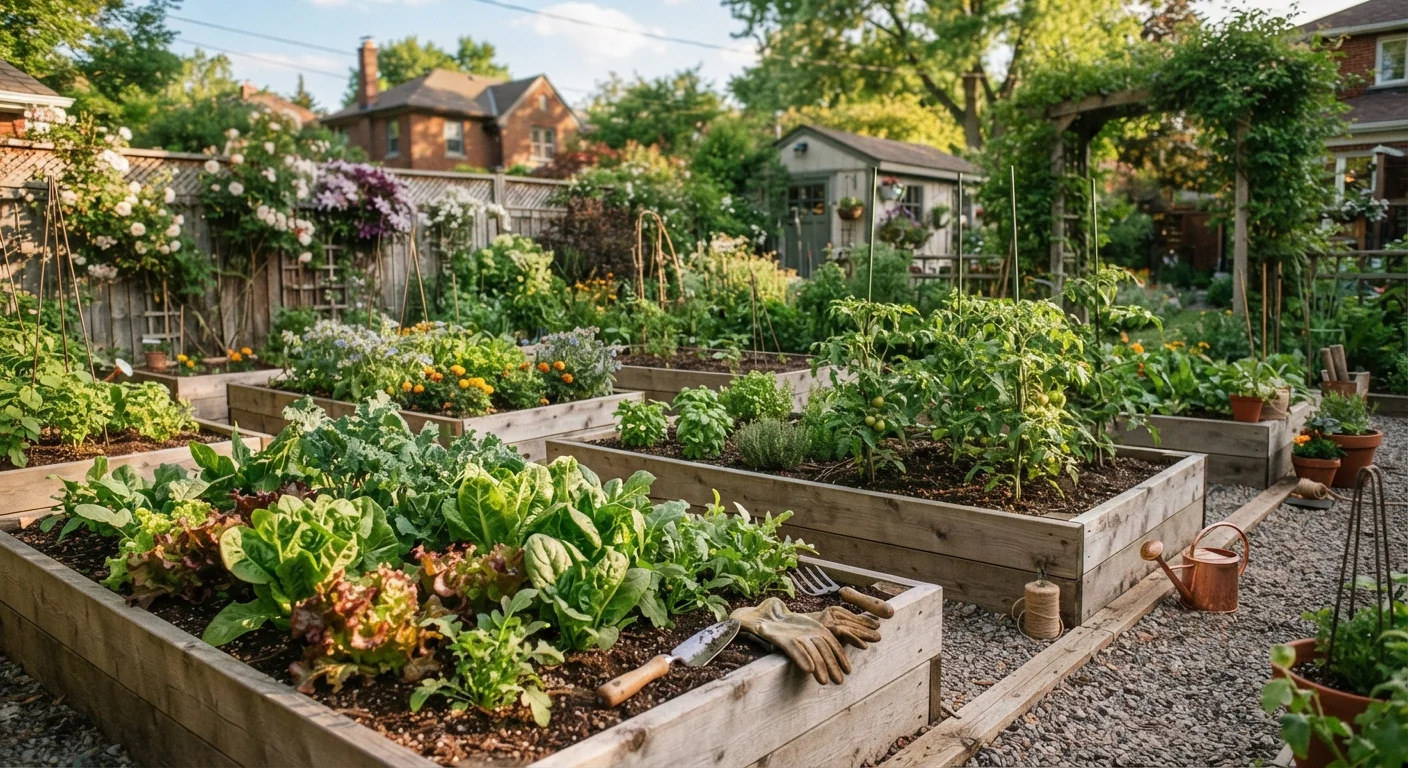
Photo credit: PrimeFaqs.com | Trending And Accurate Content
In this article
Everything a first-time food gardener needs to know — from choosing a plot and building soil to planting, watering, and harvesting.
Key Takeaways
- A minimum of six hours of direct sunlight per day is essential for most vegetables.
- Soil quality matters more than almost any other factor - amend before you plant.
- Start small: a 4×8-foot bed is enough to grow a meaningful first harvest.
- Consistent, deep watering at the base of plants outperforms frequent shallow sprinkles.
- Beginners succeed fastest by choosing fast-maturing, forgiving crops like lettuce, beans, and zucchini.
Choosing the Right Spot
The single biggest predictor of vegetable garden success isn't the seeds you buy or the tools you use - it's location. Before you break ground, spend a few days observing your yard at different times of day to identify where sunlight lands and for how long.
Most vegetables require a minimum of six hours of direct sunlight daily. Leafy greens like lettuce and spinach can tolerate partial shade, but fruiting crops - tomatoes, peppers, squash - need closer to eight hours. Choose the sunniest, most level patch available.
Drainage matters almost as much as light. Avoid low-lying areas where water pools after rain; consistently soggy soil leads to root rot. If your best sunny spot has drainage issues, a raised bed is often the most practical fix. Our guide comparing raised beds vs. in-ground planting can help you weigh your options before committing.
Finally, keep proximity to a water source in mind. A garden that's far from a hose or spigot is one that often goes underwatered. Convenience shapes habits, especially for beginners.
Understanding and Building Your Soil
Soil is the foundation of every thriving food garden, and improving it before planting is the highest-return investment a new gardener can make. Native soil in most American yards is rarely ideal for vegetables right out of the gate - it may be too compacted, too sandy, or lacking in organic matter.
Soil pH
A measure of how acidic or alkaline your soil is, on a scale from 0 to 14. Most vegetables grow best in slightly acidic to neutral soil, roughly between 6.0 and 7.0.
Organic matter
Decomposed plant and animal material mixed into soil. It improves soil structure, water retention, and provides nutrients that feed plants over time.
Direct sowing
Planting seeds straight into the garden bed rather than starting them indoors first. Works best for crops like carrots, beans, and radishes that don't transplant well.
Frost date
The average date in spring when your area is unlikely to experience another killing frost. It's the key milestone used to time when to plant warm-season vegetables outdoors.
Row cover
A lightweight fabric laid over plants to protect them from cold temperatures or insects while still allowing light and air to reach the plants below.
Start with a soil test. Basic test kits are available at garden centers, or you can send a sample to your local cooperative extension office for a more thorough analysis. You're looking for a pH between 6.0 and 7.0 for most vegetables, along with adequate nitrogen, phosphorus, and potassium levels.
The most reliable way to improve nearly any soil type is to add organic matter. Compost - whether homemade or purchased - loosens clay soils, binds sandy soils, feeds beneficial microbes, and delivers a slow, balanced supply of nutrients. Work two to four inches of compost into the top eight to twelve inches of soil before planting. Our guide to composting at home walks through how to start your own compost system from kitchen scraps.
For a deeper look at what's actually happening beneath your feet, our article on soil health fundamentals breaks down layers, nutrients, and soil biology in plain language.
Deciding What to Grow
One of the most common beginner mistakes is planting too many varieties too soon. A focused first garden - eight to ten varieties at most - is far more manageable and rewarding than an ambitious but chaotic spread.
When choosing crops, consider three factors: what your household actually eats, how long the growing season is in your region, and how forgiving each plant is to beginner errors. The following categories are reliable starting points:
- Quick wins: Radishes, lettuce, spinach, and green onions mature in 30-60 days and provide fast feedback.
- Heavy producers: Zucchini, green beans, and cherry tomatoes yield abundantly with relatively little effort.
- Herbs: Basil, chives, and parsley are easy to grow, expensive to buy at the store, and used frequently in the kitchen.
Think about how plants interact with each other as your garden grows. Strategic pairing can reduce pest pressure and improve yields - our article on companion planting covers proven combinations that work in a home garden setting.
Start with a garden journal
Keep a simple notebook or notes app log of what you plant, when you plant it, and how each crop performs. Recording watering schedules, pest appearances, and harvest dates gives you a personal reference that improves every future season. Even a few sentences per week adds up to invaluable data by the time fall arrives.
Planting, Watering, and Feeding
Some vegetables grow best started from seed directly in the ground (beans, carrots, radishes), while others - like tomatoes and peppers - benefit from being started indoors six to eight weeks before transplanting, or purchased as seedlings from a garden center. Seed packets include spacing and depth guidance specific to each variety; follow those instructions closely.
Water deeply rather than frequently. Most vegetables need about one inch of water per week. Shallow, daily watering encourages roots to stay near the surface, making plants more vulnerable to drought. Instead, water at the base of plants two to three times per week, allowing moisture to penetrate several inches into the soil. A simple finger test - push your index finger two inches into the soil; if it feels dry, water - is a reliable gauge.
Feeding your vegetable garden with fertilizer can boost production, but more is not always better. Over-application can burn roots and throw off soil chemistry. Read our guide on common fertilizer mistakes to understand how to feed your plants without overdoing it.
Managing Pests and Keeping the Garden Going
Even well-tended gardens encounter pests and disease - it's a normal part of growing food outdoors. The key is early identification and a measured response, not panic or heavy chemical intervention.
Inspect plants every few days, looking at leaf undersides where insects often hide. Common culprits include aphids, caterpillars, and cucumber beetles. Physical removal - handpicking, spraying with water - works for light infestations. Row covers can protect young plants from flying pests without chemicals.
Avoid overusing pesticides on edible plants
Broad-spectrum pesticides - even those labeled 'organic' - can harm beneficial insects like bees and ground beetles that help your garden thrive. Before reaching for a spray, correctly identify the pest and determine whether the damage level actually warrants treatment. Many minor infestations resolve on their own or respond well to non-chemical methods.
Consistent harvesting keeps plants producing. Many vegetables - especially beans, zucchini, and leafy greens - slow or stop producing if fruits are left to overripen on the plant. Harvest regularly, even if you can't use everything immediately.
As the season progresses, keep notes on what worked and what didn't. Which varieties thrived? Where did disease appear? What would you plant more (or less) of? These observations make your second season significantly easier. For a structured guide to what maintenance tasks belong to each part of the year, see our month-by-month seasonal garden maintenance reference.
Frequently Asked Questions

Author
Home & Garden Editorial Team
Home & Garden Editorial Team is the collective byline for our editorial team and contributor network. Articles published under this byline or an editorial pen name are researched, written, and reviewed according to our editorial standards for clarity, consistency, and independence before publication.
View all articles →