
Raised Beds vs. In-Ground Planting: Which Works Better for Your Yard?
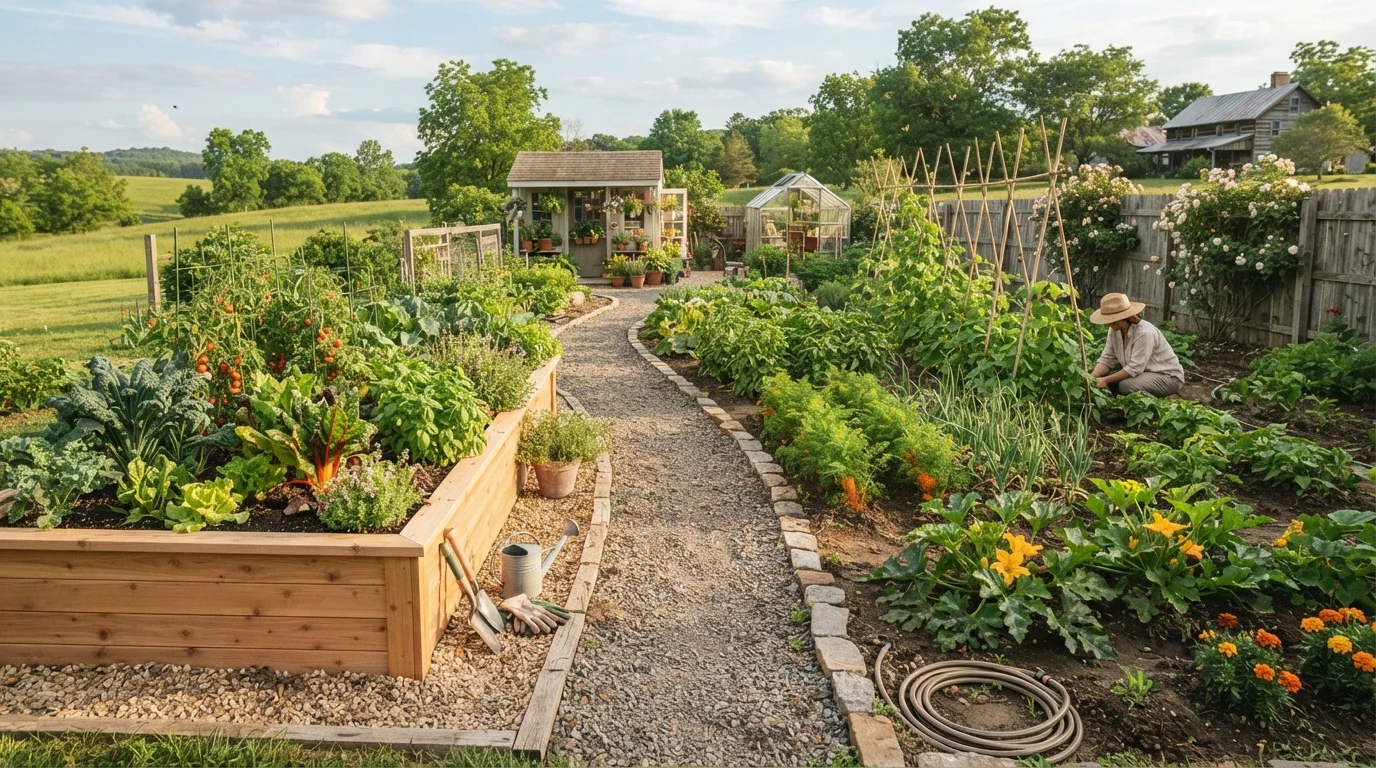
Photo credit: PrimeFaqs.com | Trending And Accurate Content
In this article
A side-by-side look at raised beds and traditional in-ground gardens across cost, drainage, soil control, and long-term maintenance.
Key Takeaways
- Raised beds offer superior drainage and soil control but require higher upfront material costs.
- In-ground gardens cost less to start and support larger planting areas, but soil quality can limit results.
- Raised beds typically warm up faster in spring, extending your growing season by several weeks.
- In-ground planting supports deep-rooted plants and trees better than most raised structures.
- Your native soil quality is the single most important factor in deciding which method suits you.
Understanding the Core Difference
At their simplest, raised beds are enclosed growing structures - typically wood, metal, or composite - filled with imported soil mix and elevated above your yard's grade. In-ground planting works directly in your existing native soil, amended as needed.
The choice between them isn't about which is universally superior. It's about matching the method to your specific conditions: native soil quality, budget, plant types, and how much physical effort you want to invest each season. Before deciding, understanding what's already in your ground is essential. Our guide to soil health basics walks through how to assess texture, drainage, and nutrient levels in your existing yard.
| Criterion | Raised Beds | In-Ground Planting |
|---|---|---|
| Upfront cost | Moderate to high (materials + fill) | Low (amendments only) |
| Soil control | Full - custom mix from day one | Limited by native soil composition |
| Drainage | Excellent - drains freely above grade | Dependent on native soil texture |
| Season length | Longer - warms up faster in spring | Standard - follows ground temperature |
| Physical accessibility | High - less bending required | Low - requires kneeling or bending |
| Root depth for large plants | Restricted by bed depth | Unlimited |
| Weed pressure | Lower - isolated from weed seed banks | Higher - native seed bank present |
| Scalability | Limited by cost and space | Easily expanded |
Cost, Setup, and Long-Term Commitment
In-ground gardens carry the lowest barrier to entry. Beyond a soil test, compost, and basic tools, you're ready to plant. Raised beds involve purchasing framing materials, hardware, and enough quality fill mix - a blend of topsoil, compost, and aeration material - to fill the entire bed volume. Costs vary widely by size and material choice, but even modest raised beds represent a meaningful upfront investment.
Over time, raised beds do reduce some recurring costs. Fewer weeds reach the surface from below, and controlled soil means you spend less correcting problems. In-ground plots may require more ongoing amendments each season depending on how quickly organic matter depletes. Both approaches benefit significantly from pre-season preparation - our seasonal garden prep checklist covers what to review before planting in either system.
6-8 weeks
Earlier spring planting in raised beds
University extension programs commonly note that raised bed soil can warm up several weeks ahead of in-ground soil in northern climates, meaningfully extending the growing season.
50%
Potential reduction in water use with drip irrigation
The USDA notes that well-designed drip irrigation systems can reduce garden water consumption by up to 50% compared to overhead watering, particularly beneficial for raised beds that dry faster.
12 inches
Minimum recommended raised bed depth
Most cooperative extension guidelines recommend at least 12 inches of growing medium depth to support the majority of common vegetables, with 18 inches preferred for root crops.
Drainage, Soil Control, and Plant Performance
One of the most practical advantages of raised beds is drainage. Because the growing medium sits above grade and is typically loose and well-structured, water moves through efficiently - reducing the waterlogging that frustrates gardeners in clay-heavy yards. In-ground gardens depend entirely on native soil permeability, which can range from excellent to genuinely problematic depending on your region.
Raised beds also allow you to tailor the soil mix precisely to what you're growing - a lighter, sandier blend for root vegetables, a richer mix for heavy feeders like tomatoes. In-ground gardeners can amend their soil, but changing its fundamental texture takes years of consistent organic matter additions. If you're starting a vegetable garden from scratch, raised beds offer a faster path to productive soil, while in-ground planting rewards patience and consistent soil building.
Watering strategy also differs between the two setups. Raised beds can dry out more quickly in hot weather due to their elevated exposure. Efficient irrigation matters in both cases - see our comparison of drip vs. sprinkler irrigation to identify the right approach for your garden layout.
Soil Contamination Is Worth Checking First
If your home was built before 1978 or sits near a former industrial site, consider getting your native soil tested for lead and other contaminants before in-ground planting. Many county cooperative extension offices offer affordable soil testing services. Raised beds filled with clean imported mix are often the recommended alternative when contamination is confirmed or suspected.
Which Plants Thrive Where
Most annual vegetables, herbs, and flowers perform well in both systems - but the depth and lateral space available in each method matters for some crops. Shallow-rooted plants like lettuce, radishes, herbs, and strawberries adapt easily to raised beds. Deeper-rooted crops like parsnips, winter squash, and indeterminate tomatoes can work in raised beds if depth is adequate (at least 12 inches), but they truly thrive with the unrestricted room of in-ground planting.
Perennial edibles and ornamentals present a particular consideration. Plants like asparagus, rhubarb, fruit trees, and large shrubs establish permanent root systems that raised bed walls will eventually restrict. These are strong candidates for in-ground planting from the start. If you're planning a garden that blends annual vegetables with perennial plants, our article on annuals vs. perennials can help you think through how to structure both elements in your yard.
Ultimately, many experienced gardeners use both methods together - raised beds for intensive vegetable production and in-ground beds for established perennials, trees, and sprawling crops. Combining the two often delivers more flexibility than committing exclusively to either approach.

Author
Home & Garden Editorial Team
Home & Garden Editorial Team is the collective byline for our editorial team and contributor network. Articles published under this byline or an editorial pen name are researched, written, and reviewed according to our editorial standards for clarity, consistency, and independence before publication.
View all articles →