
Drip Irrigation vs. Sprinkler Systems for Home Gardens
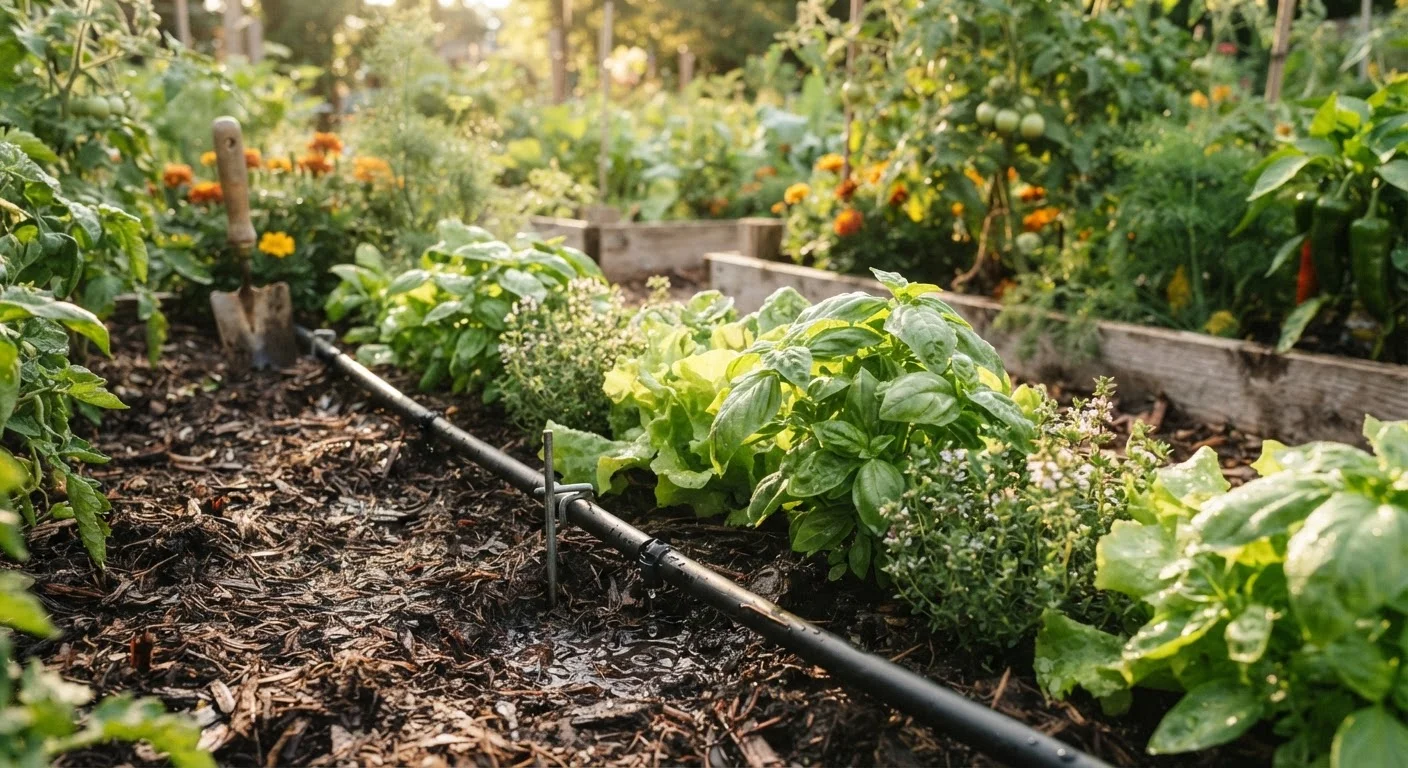
Photo credit: PrimeFaqs.com | Trending And Accurate Content
In this article
Compare drip and sprinkler irrigation across water efficiency, installation complexity, plant compatibility, and ongoing upkeep.
Key Takeaways
- Drip irrigation delivers water directly to plant roots, reducing evaporation and weed growth.
- Sprinkler systems cover large areas efficiently but lose more water to evaporation and overspray.
- Installation complexity and upfront costs differ substantially between the two methods.
- Your garden layout, plant types, and local water restrictions should guide your choice.
- Both systems can be automated with timers for consistent, low-effort watering routines.
How Each System Works
Understanding the mechanics of each system helps clarify which fits your garden best. Drip irrigation uses a network of low-pressure tubing and emitters to deliver water slowly and directly to the base of individual plants. Flow rates are typically measured in gallons per hour rather than gallons per minute, making it a genuinely slow, targeted method.
Sprinkler systems, by contrast, spray water through the air across a broad radius. They can be above-ground oscillating heads or in-ground pop-up systems connected to a main water supply line. Sprinklers are designed for coverage, not precision.
Both types can connect to an outdoor spigot or a home's irrigation line and can be paired with programmable timers - a practical feature for any gardener managing a busy schedule. For a broader look at keeping your outdoor spaces in good shape, see our home maintenance hub.
Water Efficiency and Plant Health
Water efficiency is one of the most consequential differences between these two approaches. Drip systems apply water at or just below soil level, which minimizes evaporation and surface runoff. Because foliage stays dry, drip irrigation also reduces the likelihood of fungal diseases that thrive in consistently wet leaves - a real advantage in humid climates.
Sprinklers distribute water through the air, where a meaningful portion can evaporate before reaching the ground, particularly on hot or windy days. They also wet plant foliage, which can contribute to disease pressure if watering happens in the evening.
30-50%
Water savings with drip vs. sprinkler
The U.S. Environmental Protection Agency notes that drip irrigation can use 30-50% less water than conventional sprinkler systems in landscape applications.
50%
Outdoor water use that goes to landscapes
According to the EPA's WaterSense program, approximately half of residential outdoor water use is applied to lawns and gardens.
That said, sprinklers excel at keeping turf grass uniformly hydrated, which drip emitters are not designed to do. If your garden combines a lawn with planting beds, you may find that each system serves a different zone effectively. Avoiding common overwatering mistakes is equally important regardless of which system you use - see the watering habits that quietly kill healthy plants.
Installation and Setup Complexity
Drip systems are generally accessible to DIY homeowners. A basic setup involves connecting polyethylene tubing to a hose bib, laying lines along planting rows, and inserting emitters near each plant. Kits are widely available and require no trenching or specialized tools for surface installation. Complexity increases when you need to cover larger areas or route tubing underground.
Sprinkler systems range from portable above-ground units (very easy to set up) to permanent in-ground systems, which are a different matter entirely. In-ground sprinkler installation typically involves trenching, connecting to a main water supply, installing a backflow preventer, and possibly pulling permits depending on your municipality. For in-ground systems, professional installation is strongly advisable - improper connection to the main line can create cross-contamination risks and code violations.
For a clear-eyed look at when to hire a pro versus tackling a project yourself, our DIY vs. professional installation guide walks through the key trade-offs.
| Drip Irrigation | Sprinkler Systems | |
|---|---|---|
| Water Efficiency | High - minimal evaporation, targeted delivery | Moderate - evaporation and overspray common |
| Best Plant Types | Vegetables, shrubs, trees, containers | Lawn grass, dense annual beds |
| DIY Installation | Accessible for most homeowners | Easy (portable); complex (in-ground) |
| Foliage Wetting | Minimal - reduces disease risk | High - can promote fungal issues |
| Coverage Area | Individual plant zones | Broad, uniform areas |
| Seasonal Winterizing | Drain and store tubing | Drain or blow out lines |
| Maintenance Needs | Clear emitters, inspect tubing | Align heads, check for leaks |
Compatibility With Different Garden Types
Drip irrigation is particularly well-suited for vegetable gardens, raised beds, fruit trees, shrub borders, and container plantings - anywhere you want to target individual root zones. If you're growing in raised beds or in-ground plots, drip lines integrate cleanly with both formats.
Sprinkler systems are the more natural choice for lawn areas and large open beds where uniform ground coverage is the goal. They also work well for annual flower beds planted in dense, uniform rows, where emitter placement would be time-consuming to set up and maintain.
Mixed gardens - those combining turf, shrubs, and vegetable areas - often benefit from a zoned approach, with sprinklers on the lawn and drip lines through the planting beds. Planning your garden's plant mix thoughtfully before committing to irrigation infrastructure pays dividends; our guide to annuals vs. perennials can help inform that planning.
Ongoing Maintenance and Seasonal Upkeep
Both systems require regular attention to perform well. Drip emitters can clog, especially in areas with hard water or high sediment levels. Flushing the lines seasonally and installing a filter at the connection point helps prevent this. Tubing left on the surface is also vulnerable to UV degradation and physical damage from garden tools.
Sprinkler heads - particularly in-ground pop-up models - can be struck by lawn mowers, shift out of alignment, or develop leaks at connection points. Heads should be inspected at the start of each watering season and after any significant freeze event. In colder climates, both systems should be drained or blown out before the first hard frost to prevent pipe damage.
For a season-by-season checklist that covers irrigation alongside other garden upkeep tasks, see our seasonal garden maintenance reference.

Author
Home & Garden Editorial Team
Home & Garden Editorial Team is the collective byline for our editorial team and contributor network. Articles published under this byline or an editorial pen name are researched, written, and reviewed according to our editorial standards for clarity, consistency, and independence before publication.
View all articles →