
Seasonal Garden Maintenance: A Month-by-Month Task Reference
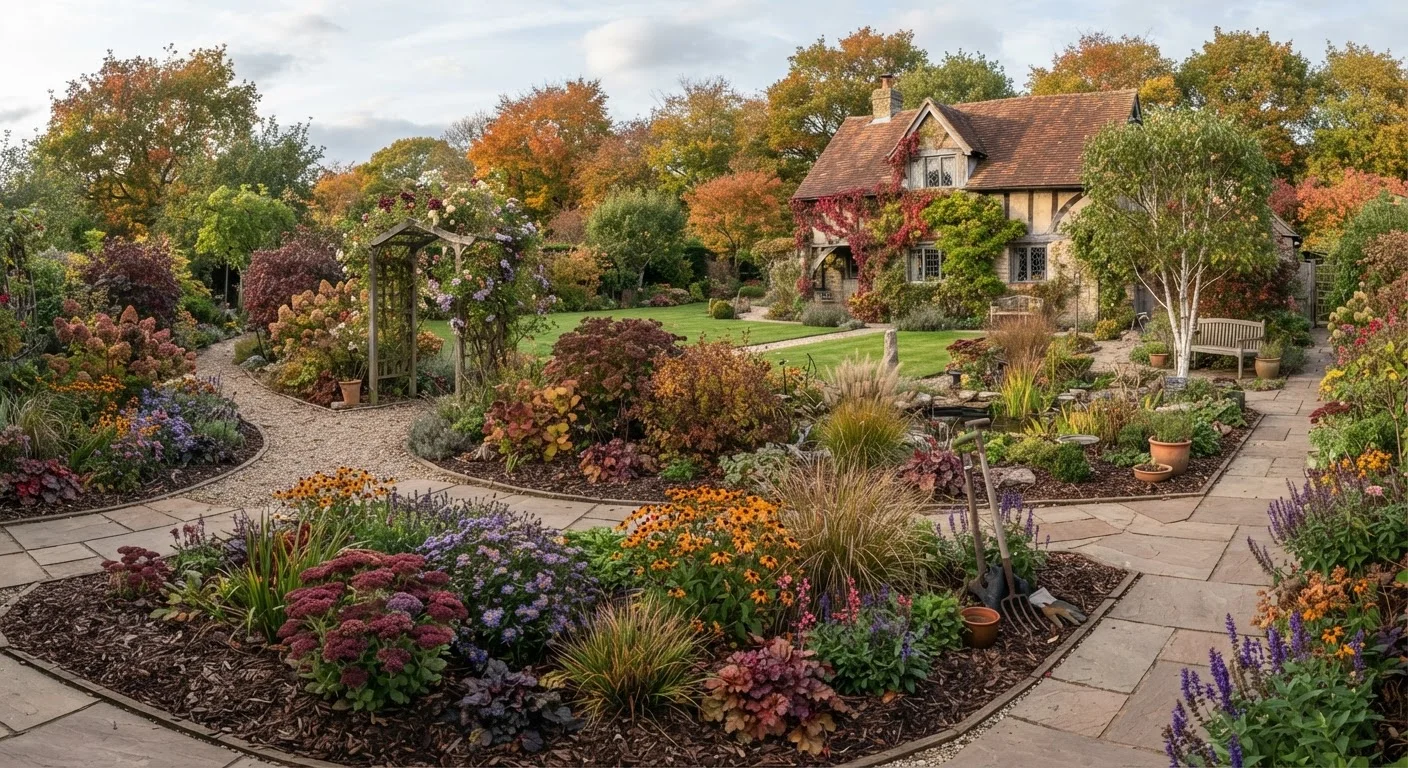
Photo credit: PrimeFaqs.com | Trending And Accurate Content
In this article
A structured reference covering what to prune, plant, feed, and prep across all four seasons for a well-kept American home garden.
Spring (March-May): Wake the Garden Up
Spring is the most action-packed season for gardeners. Begin in early March by removing winter mulch gradually - sudden exposure can shock tender crowns. As soil becomes workable, test its pH and amend with compost or lime as needed before planting begins. For a full walkthrough on building soil nutrition, see how to make and use compost at home.
Key spring tasks by month:
- March: Clean up dead foliage, divide overcrowded perennials, prune ornamental grasses to a few inches above ground.
- April: Direct-sow cool-season crops (lettuce, spinach, peas); set out transplants after last frost. Fertilize lawns with a balanced, slow-release formula.
- May: Plant warm-season annuals and vegetables after danger of frost has passed. Mulch beds 2-3 inches deep to conserve moisture. Begin a consistent watering schedule.
Spring is also the ideal time to evaluate your irrigation setup. Comparing drip and sprinkler irrigation can help you choose the right system before the heat arrives. For pairing plants strategically, explore companion planting combinations that support each other.
| Best time to prune most shrubs | Late winter to early spring, just before new growth begins |
| Recommended mulch depth | 2-3 inches around garden beds; keep clear of plant stems |
| Spring bulb planting window | Fall (September-November), while soil is workable but cooling |
| Compost maturity timeline | Typically 2-6 months depending on materials and turning frequency |
| Soil pH for most vegetables | 6.0-7.0 (slightly acidic to neutral) (University cooperative extension guidelines) |
| Frequency to sharpen garden tools | At least once per season; more often for heavy-use tools |
Summer (June-August): Maintain and Monitor
Summer garden maintenance shifts from planting to sustaining. Heat and drought stress are the primary threats; consistent watering and observation keep problems manageable.
- June: Deadhead spent blooms on annuals and perennials to extend flowering. Watch for aphids, Japanese beetles, and fungal issues - address early with targeted, minimal intervention.
- July: Deep-water trees and shrubs during dry spells (slow, infrequent watering encourages deep roots). Side-dress vegetable beds with compost. Avoid heavy fertilization that pushes lush, heat-stressed growth.
- August: Begin planning fall plantings. Sow cool-season vegetable seeds indoors or directly for a fall harvest. Cut back leggy perennials to encourage a second flush of growth.
Deadheading
The practice of removing spent or faded flowers from a plant. Deadheading redirects the plant's energy from seed production to new blooms, extending the flowering season.
Dormant pruning
Pruning performed while a plant is not actively growing, typically in late winter. It minimizes stress on the plant and reduces the spread of disease.
Hardiness Zone
A geographic classification developed by the USDA based on average annual minimum winter temperatures. It helps gardeners determine which plants are likely to survive winter conditions in their region.
Top-dressing
Applying a layer of compost, mulch, or other organic material directly on top of soil around plants. It improves soil structure and nutrients without tilling.
Cool-season crops
Vegetables and plants that grow best in cooler temperatures, typically between 45°F and 65°F. Common examples include lettuce, spinach, peas, and broccoli.
Dormant oil spray
A horticultural oil applied to trees and shrubs during dormancy to smother overwintering insects and their eggs. It is typically used on fruit trees before buds begin to open.
Gardeners with limited space face unique summer challenges. The guide to small outdoor spaces offers practical strategies for patios and compact beds through the hottest months.
Fall (September-November): Prepare and Plant for the Future
Fall is the second-best planting season and an essential time for soil-building. Cooler temperatures reduce transplant stress, and soil warmth helps roots establish before winter.
- September: Plant spring-blooming bulbs (tulips, daffodils, alliums). Set out fall annuals like pansies and ornamental kale. Overseed thin lawn areas.
- October: Cut back perennials, but leave ornamental grasses and seed heads that provide wildlife habitat and winter interest. Apply a layer of compost to garden beds before the ground freezes.
- November: Drain and store garden hoses. Mulch the root zones of marginally hardy plants after the first hard frost. Clean and oil hand tools before storage.
Fall is a natural complement to your broader home upkeep schedule. The annual home maintenance calendar pairs well with garden prep to help you manage the full property efficiently. Planning a mix of annuals and perennials now will reward you with less work next spring.
Winter (December-February): Rest, Plan, and Sharpen
Winter is low-activity but not no-activity. This season is ideal for planning, tool maintenance, and setting up next year's success.
- December: Review the past season - what thrived, what didn't, what needs relocating. Order seed catalogs and sketch out next year's layout.
- January: Start seeds indoors for slow-growing crops (onions, celery, certain flowers). Check stored bulbs for rot and discard any that are soft or moldy.
- February: Prune dormant deciduous trees and shrubs before new growth begins - late winter is the optimal window for most species. Apply dormant oil sprays to fruit trees to manage overwintering pests.
If your garden includes lighting features, winter is a practical time to inspect and plan upgrades. Outdoor lighting for gardens can extend usability of the space even in colder months. Also consider scheduling a seasonal home inspection to catch any exterior issues the winter may have exposed before spring arrives.

Author
Home & Garden Editorial Team
Home & Garden Editorial Team is the collective byline for our editorial team and contributor network. Articles published under this byline or an editorial pen name are researched, written, and reviewed according to our editorial standards for clarity, consistency, and independence before publication.
View all articles →