
Keeping a Small Outdoor Space Functional Through Every Season
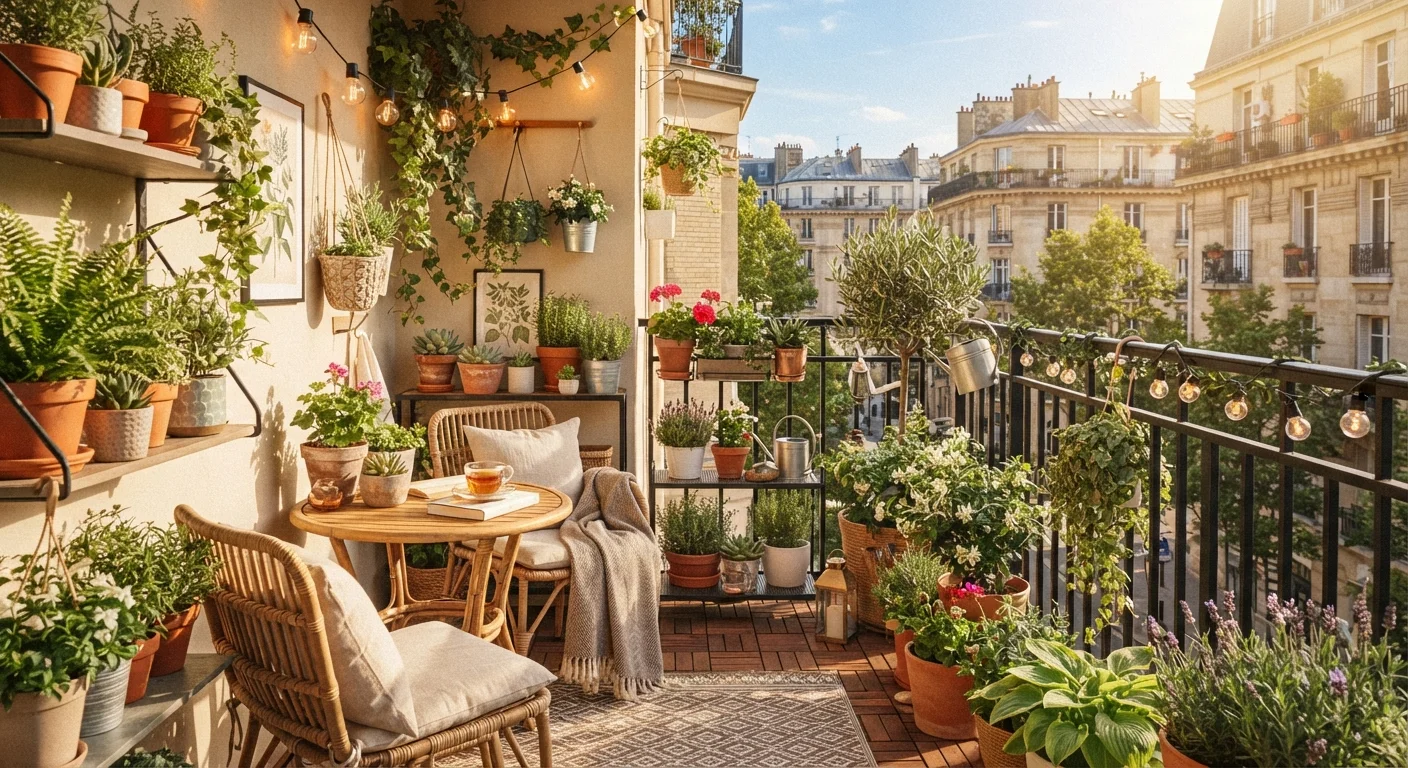
Photo credit: PrimeFaqs.com | Trending And Accurate Content
In this article
Patios, balconies, and compact yards have unique challenges. These best practices help you get the most from limited outdoor space all year.
Key Takeaways
- Choosing multi-purpose, weather-resistant furniture maximizes limited square footage across all seasons.
- Container gardening with seasonal plant rotations keeps compact spaces alive and attractive year-round.
- Proper drainage and surface protection prevent costly damage during wet or freezing weather.
- Layered lighting extends usability into evening hours and improves safety in small outdoor areas.
- Vertical growing and wall-mounted storage free floor space without sacrificing function or greenery.
Why Small Outdoor Spaces Demand a Different Strategy
A small patio, balcony, or compact yard has less room to absorb mistakes. A single oversized planter or an item left out through a harsh winter can make a tight space feel cluttered, damaged, or unusable. At the same time, these spaces reward careful planning with a level of personality and functionality that many larger yards lack.
The key is to think in systems - furniture, plants, lighting, and surfaces working together - rather than making isolated decisions. Whether you're working with 80 square feet on a city balcony or a postage-stamp courtyard in the suburbs, the practices in this guide apply. For the seasonal garden tasks that support your efforts out here, our month-by-month garden maintenance reference is a practical companion resource.
Every Climate Has Different Demands
Seasonal strategies vary widely depending on whether you're in the Pacific Northwest, the Gulf Coast, or the Midwest. The practices here are broadly applicable, but always adjust for your specific USDA hardiness zone and local weather patterns. Consult local extension services for region-specific plant and maintenance guidance.
Core Practices for Year-Round Functionality
Getting sustained value from a compact outdoor area means making deliberate choices with each element you bring into the space. The following proven practices address furniture, planting, drainage, lighting, and storage - the five pillars of a functional small outdoor environment.
Choose furniture and storage that serves multiple purposes and withstands weather changes.
In a small outdoor space, every square foot must work hard. Multi-use pieces - such as benches with internal storage or folding tables - reduce clutter while maintaining comfort. Weather-resistant materials (powder-coated metal, teak, high-density polyethylene) mean you spend less time hauling items inside every season.
Use container gardening with intentional seasonal plant rotations.
Containers give you the flexibility to swap plants as the seasons shift, keeping your space visually fresh and productive all year. They also let you control soil quality and drainage independently of ground conditions - a major advantage on patios and balconies.
Install or improve drainage to protect surfaces and prevent slip hazards.
Standing water damages decking, concrete, and pavers over time and creates dangerous icy patches in winter. Even modest improvements - slightly angled surfaces, drainage channels, or permeable pavers - protect your investment and keep the space usable after heavy rain.
Layer lighting to extend hours of use and improve safety year-round.
As daylight shortens in fall and winter, a well-lit space stays inviting and functional well into the evening. Lighting also defines zones in small areas and highlights focal points like a container garden or seating nook. Solar and low-voltage LED options are energy-efficient and easy to install.
Go vertical with growing space and storage to reclaim floor area.
Wall-mounted planters, trellises, and hanging organizers shift function upward, leaving ground-level space open for movement and seating. Vertical greenery also improves privacy and can provide seasonal interest from spring blooms through winter evergreen structure.
Winterize surfaces and furnishings before temperatures consistently drop below freezing.
Cold and moisture cause wood to crack, metal to corrode, and grout to loosen. Covering or storing vulnerable items and applying appropriate sealers before winter arrives reduces repair costs and extends the life of your outdoor investment.
Seasonal Transitions: What to Prioritize
Spring is the highest-impact season for setting up small outdoor spaces well. Use it to assess drainage, refresh containers, and repair any surface damage that winter caused. Our spring maintenance checklist covers the broader home context, while our pre-planting checklist helps you get containers and beds ready before a single seed goes in.
In late summer, begin planning your autumn transition - decide which container plants will overwinter indoors, which surfaces need sealing, and what storage you'll need for furniture cushions. Acting a few weeks early prevents the scramble that leads to damaged furniture and dead plants.
Plan Transitions Between Seasons
Rather than treating each season as a complete reset, think of small outdoor spaces as continuous environments that shift gradually. Keeping a few evergreen elements - a hardy potted shrub, a permanent light fixture, an all-weather rug - provides visual continuity while you swap seasonal items around them. This approach saves time and keeps the space from feeling bare in transitional months.
Start Small: Quick Actions That Make an Immediate Difference
You don't need to overhaul your entire outdoor space at once. A few focused changes this week can meaningfully improve how the space looks and functions right now.
For a deeper look at how outdoor lighting can transform even a small space after dark, see our guide to garden lighting. And if composting fits your setup, a small balcony-friendly bin can turn kitchen scraps into container plant food - our composting at home walkthrough explains exactly how to get started.
36 million
American households with balconies or small patios
According to U.S. Census Bureau housing survey data, tens of millions of Americans live in apartments or townhomes with limited outdoor space.
3x
Longer lifespan of sealed vs. unsealed concrete
Industry guidance from concrete care associations suggests properly sealed exterior concrete can outlast unsealed surfaces by several times in freeze-thaw climates.
“The greatest gift of a small garden is that it forces the gardener to be thoughtful about what truly earns its place.”
— Gertrude Jekyll, Influential garden designer and horticultural writer

Author
Home & Garden Editorial Team
Home & Garden Editorial Team is the collective byline for our editorial team and contributor network. Articles published under this byline or an editorial pen name are researched, written, and reviewed according to our editorial standards for clarity, consistency, and independence before publication.
View all articles →