
Outdoor Lighting for Gardens: Balancing Function, Safety, and Ambience
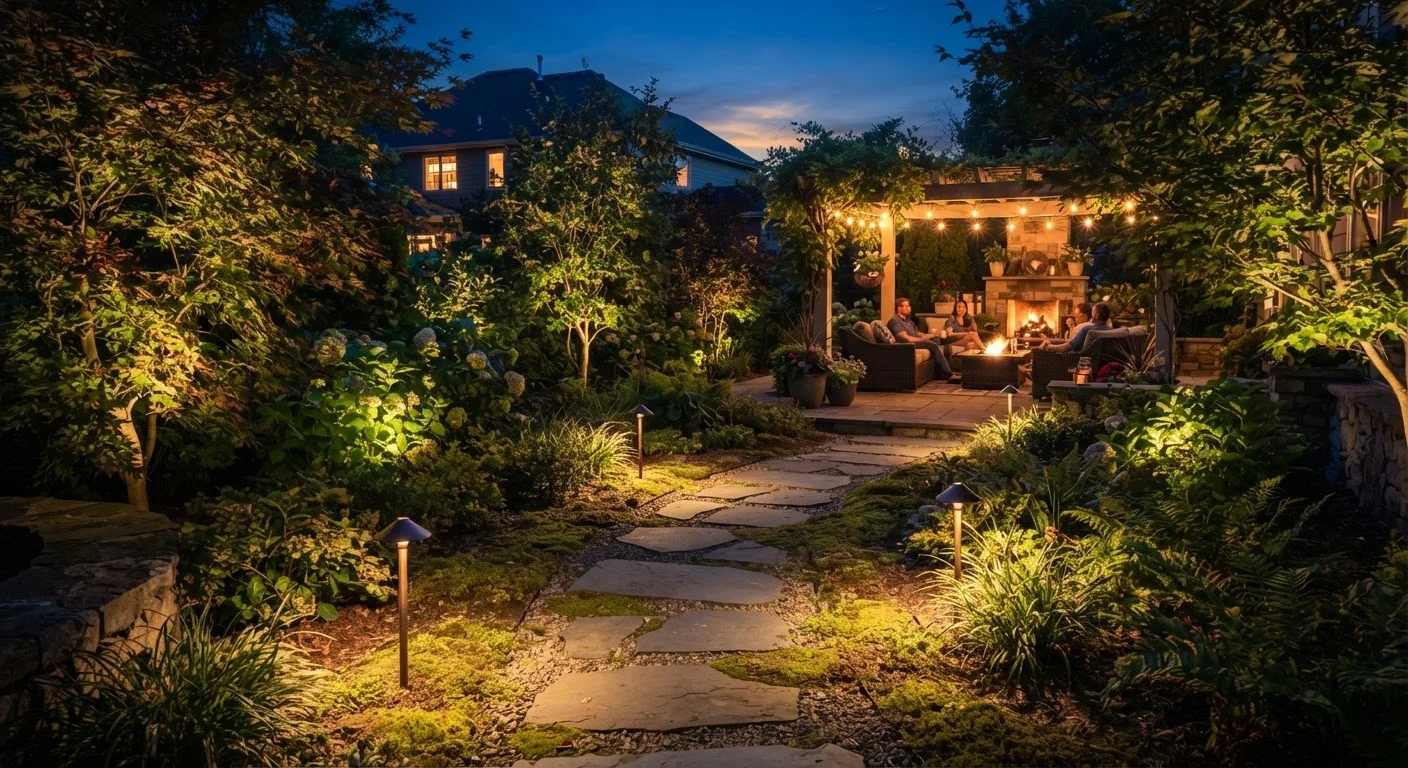
Photo credit: PrimeFaqs.com | Trending And Accurate Content
In this article
From path markers to accent lights, learn how thoughtful outdoor lighting can extend usability and add depth to any garden space.
Key Takeaways
- Path and step lighting is the highest-priority safety investment in any garden.
- Layering different fixture types creates depth and prevents flat, over-lit spaces.
- Solar and low-voltage LED systems are practical options for most homeowners.
- Light placement matters as much as fixture type - poor angles create glare.
- Warm color temperatures (2700K-3000K) are generally best for garden ambience.
- Annual inspection of fixtures and wiring is an important maintenance step.
Why Outdoor Garden Lighting Matters
A well-lit garden doesn't simply look good after dark - it functions better, feels safer, and becomes a genuinely usable extension of your home for more hours of the day. Whether you're hosting an evening gathering on the patio or simply walking to the garage after sunset, lighting shapes how your outdoor space works in practice.
Outdoor lighting also adds dimension to plantings and hardscaping that disappear in darkness without it. Careful placement can highlight a mature tree, define a garden bed edge, or draw attention to a water feature in ways that daylight simply doesn't replicate. For homeowners interested in maximizing a compact outdoor space, strategic lighting is one of the highest-return improvements available.
2700K-3000K
Ideal color temperature for garden warmth
Lighting designers broadly recommend this range for residential outdoor spaces to produce warm, flattering tones on plants and hardscaping.
75%
Energy savings with LED over halogen
The U.S. Department of Energy notes that LED fixtures typically use at least 75% less energy than comparable incandescent or halogen sources.
12V
Standard low-voltage garden system
Twelve-volt transformer-based systems are the most common DIY-friendly outdoor lighting approach for path, accent, and uplight applications.
Understanding the Three Goals: Function, Safety, and Ambience
Effective garden lighting balances three overlapping objectives, and understanding each helps you make smarter decisions rather than simply buying fixtures at random.
Function
Functional lighting makes the space usable. This includes illuminating outdoor dining areas, cooking zones, and entry points well enough to navigate confidently. Task areas need adequate brightness without harsh shadows or glare.
Safety
Safety lighting reduces trip hazards. Steps, grade changes, uneven paving, and pool edges all benefit from consistent, low-glare illumination. Poor outdoor lighting can create risks similar to those found in other low-visibility environments - much like the reduced depth perception discussed in night driving hazard guides, our eyes simply don't resolve edges and level changes as reliably in the dark.
Ambience
Ambient lighting sets mood. Warm, layered light at varying heights creates a sense of enclosure and comfort. This is often where homeowners underinvest - a single bright floodlight provides safety but destroys the relaxed, layered feel that makes gardens enjoyable after dark.
Before finalizing fixture positions, test placement at night using a handheld flashlight or a battery-powered work light - even a rough approximation reveals glare problems and coverage gaps that are impossible to judge in daylight.
Daylight assessment of lighting plans is notoriously unreliable. Testing in actual darkness catches real-world issues before fixtures are staked or hardwired.
When uplighting trees or large shrubs, aim fixtures at a 45-degree angle to the trunk rather than directly beneath - this creates more natural shadow patterns and uses the canopy as a diffuser rather than a reflective ceiling.
Straight-up uplighting often produces an unnatural 'horror movie' effect. An angled placement produces the textured, layered result that makes garden uplighting feel intentional rather than stark.
Types of Outdoor Garden Lights
Knowing the primary fixture categories helps you build a coherent lighting plan rather than a mismatched collection.
- Path lights: Low-profile stakes placed along walkways and garden borders. They cast downward light to define edges without glare.
- Uplights: Ground-mounted fixtures that direct light upward into trees, shrubs, or architectural features for dramatic accent effect.
- Spotlights: Focused, directional fixtures used to highlight specific plants, sculptures, or structures.
- Step and riser lights: Recessed or surface-mounted fixtures integrated into steps and retaining walls, providing visibility exactly where trip hazards exist.
- String lights and lanterns: Overhead or hanging lights that create a warm canopy effect over seating areas.
- Wall-mounted fixtures: Attached to fences, pergolas, or exterior walls to provide broader ambient coverage.
- Deck and in-ground lights: Flush-mounted fixtures set into decking or hardscape for a clean, integrated appearance.
For gardens with significant seasonal plantings, it's worth considering how your lighting interacts with plant growth. A fixture that works beautifully in spring may be obscured by midsummer foliage. Refer to a seasonal garden maintenance calendar to plan adjustments around your planting cycle.
Planning Your Lighting Layout
Before purchasing a single fixture, walk your garden at night with a flashlight and note where you feel uncertain, where you stumble, and which features you'd want to see highlighted. That audit becomes your lighting brief.
Layering Principle
Designers commonly describe effective outdoor lighting as working in layers: ambient light at the highest level (overhead or wall-mounted), task lighting at mid-level (table lamps, cooking zones), and accent lighting at ground or shrub level (uplights, path markers). Combining all three creates depth.
Avoiding Common Mistakes
- Over-lighting: Flooding a garden with bright, even light eliminates shadow and depth - the opposite of atmospheric. Use less light in more places rather than one powerful source.
- Glare toward seating: Fixtures aimed toward where people sit create discomfort. Angle uplights away from eye level.
- Ignoring neighbors: Light spilling onto adjacent properties is a courtesy and sometimes a code concern. Use shields and directional fixtures where necessary.
Color temperature matters significantly. Lights rated around 2700K-3000K produce a warm, golden tone that suits most garden materials. Cooler temperatures (4000K+) can feel clinical outdoors and tend to wash out foliage color.
If your garden renovation is part of a broader spring refresh, the spring home maintenance checklist is a useful companion reference for sequencing exterior projects efficiently.
Power Sources and Installation Considerations
Garden lighting runs on three main power approaches, each with distinct trade-offs.
Low-Voltage (12V) Systems
A transformer steps down standard household current to 12 volts, which powers a run of fixtures through buried cable. These systems are relatively safe for DIY installation, widely available, and allow significant flexibility in expanding or rearranging fixtures over time. Most modern low-voltage systems use LED bulbs, which consume far less energy than older halogen equivalents.
Solar-Powered Fixtures
Solar path lights and spotlights require no wiring and are simple to reposition. Their limitation is output - they depend on sun exposure during the day and may underperform in shaded gardens or during extended cloudy periods. They work well for supplementary path marking but rarely deliver enough intensity for accent or task lighting.
Line-Voltage (120V) Systems
Standard household current powers more demanding fixtures like high-output spotlights and hardwired wall mounts. Any work involving line-voltage wiring outdoors should be performed by a licensed electrician, particularly for below-grade conduit runs, outdoor-rated GFCI circuits, and fixture installation in wet locations. Local building codes typically require permits for new outdoor electrical circuits - verify requirements with your local building department before starting any hardwired project.
Maintenance and Seasonal Upkeep
Outdoor lighting fixtures are exposed to rain, frost, UV, and physical wear year-round. A basic annual inspection keeps systems reliable and safe.
- Check fixture housings for cracking, water intrusion, or corrosion, particularly after winter.
- Clean lenses with a damp cloth - dirt accumulation noticeably reduces light output over time.
- Inspect low-voltage cable runs for damage from garden tools, root growth, or pest activity.
- Test all GFCI outlets associated with outdoor circuits; reset any that have tripped.
- Adjust uplights and path stakes seasonally as plant growth changes sightlines and coverage needs.
- Replace any fixtures showing signs of water damage immediately, especially on line-voltage systems.
Solar panels on fixtures should be wiped clean each spring - the same general timing recommended in broader seasonal home maintenance guidance. For gardens with mixed perennial and annual plantings, it's practical to reassess lighting positioning each season as your plant palette evolves. A resource like planning annuals and perennials together can help you anticipate how growth habits will interact with your fixed fixture placements.

Author
Home & Garden Editorial Team
Home & Garden Editorial Team is the collective byline for our editorial team and contributor network. Articles published under this byline or an editorial pen name are researched, written, and reviewed according to our editorial standards for clarity, consistency, and independence before publication.
View all articles →