
Night Driving Hazards Most Drivers Underestimate
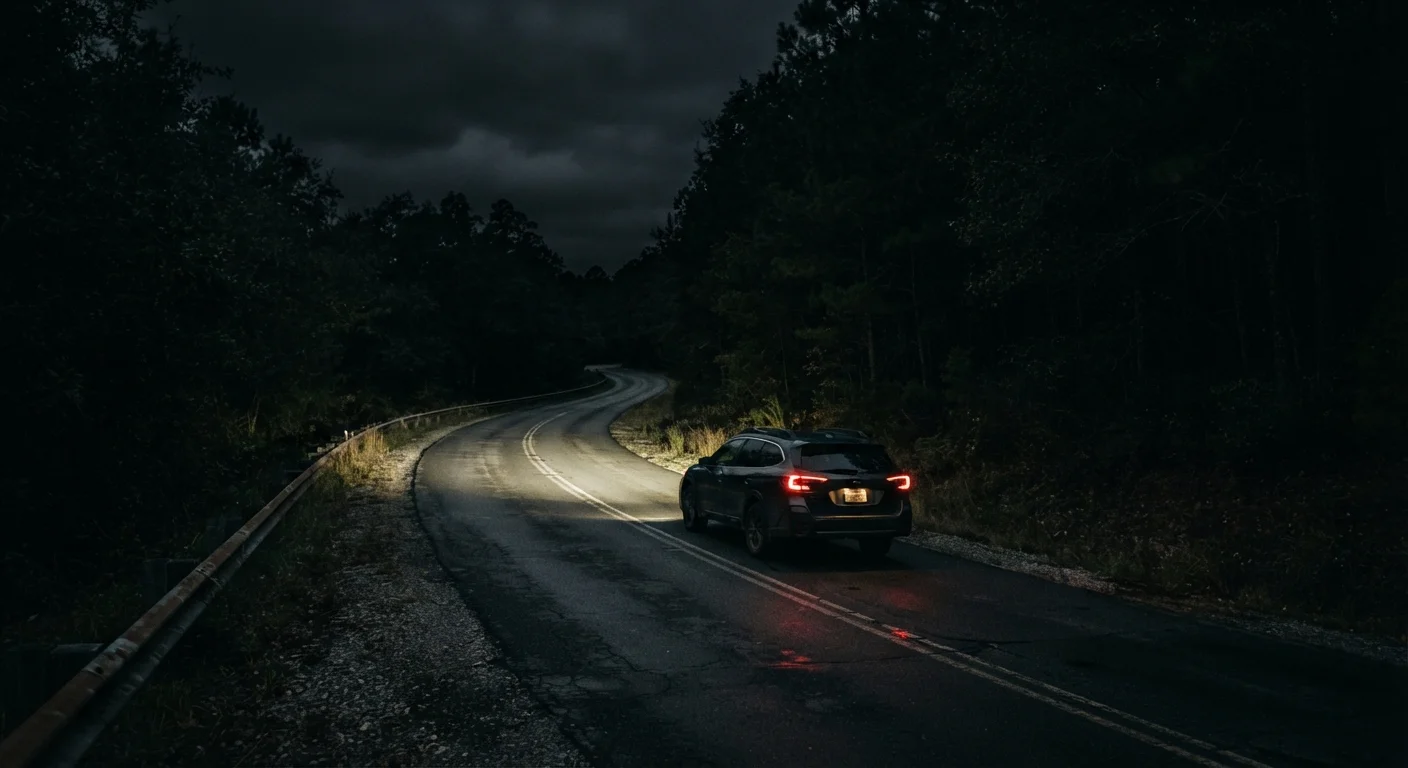
Photo credit: PrimeFaqs.com | Trending And Accurate Content
In this article
From reduced depth perception to increased fatigue, discover the specific risks that make driving after dark fundamentally different from daytime travel.
Key Takeaways
- Fatal crash rates are significantly higher at night despite lower overall traffic volume.
- Human vision degrades substantially in low light, affecting depth perception and peripheral awareness.
- Driver fatigue peaks during late-night hours and compounds every other nighttime risk.
- Overdriving your headlights - moving faster than your stopping distance allows - is a common and dangerous habit.
- Wildlife, pedestrians, and unlit hazards are far harder to detect after dark than most drivers anticipate.
Why Darkness Changes Everything Behind the Wheel
Most drivers feel reasonably comfortable on familiar roads after dark. That comfort, unfortunately, can be one of the more misleading feelings in everyday driving. Night driving isn't simply daytime driving with the lights on - it fundamentally changes what you can see, how accurately you perceive distance and speed, and how alert your brain is able to stay.
According to the National Highway Traffic Safety Administration (NHTSA), a disproportionate share of fatal crashes occur at night despite significantly lower overall traffic volumes. The reasons are interconnected: reduced visibility, impaired depth perception, increased likelihood of impaired or fatigued drivers sharing the road, and hazards - like pedestrians and animals - that appear with far less warning than they would in daylight.
Understanding the specific hazards that make night driving riskier is the first step toward managing them. The list below breaks down the underestimated risks that deserve more attention from drivers of all experience levels. For a broader look at how conditions shape driving demands, see our guide to adjusting for weather conditions.
Reduced Visual Acuity and Depth Perception
The human eye relies heavily on cone cells for sharp, color-accurate vision - and cones require reasonable light to function well. In low-light conditions, the eye shifts toward rod cells, which are more sensitive to dim light but provide lower resolution and no color information. This means your ability to judge distances accurately, read road markings, and detect subtle contrasts all decline meaningfully after dark.
Depth perception is particularly affected. Two-dimensional cues like shadows and color contrast that help your brain judge distance in daylight are stripped away at night, making it harder to gauge how fast another vehicle is approaching or how far away a hazard actually is. Slowing down gives your brain more time to work with incomplete information.
Depth perception degrades significantly at night, making distance judgments less reliable than most drivers realize.
Overdriving Your Headlights
Standard low-beam headlights typically illuminate about 160 feet ahead of your vehicle. At 60 mph, your stopping distance - factoring in both reaction time and braking - can exceed 240 feet under normal conditions. That gap between what you can see and how far you need to stop is called overdriving your headlights, and it's one of the most common and least-discussed nighttime hazards.
If something appears at the edge of your headlight range - a deer, a stopped vehicle, road debris - you may not have enough distance to stop before reaching it. The practical fix is to reduce speed at night, particularly on unlit rural roads. High beams, when no oncoming traffic is present, extend your sight line and reduce this gap considerably.
At highway speeds, your stopping distance can easily exceed what your headlights actually illuminate.
Driver Fatigue and Circadian Pressure
Your body's internal clock - the circadian rhythm - naturally produces peak drowsiness between roughly midnight and 6 a.m., and again in the early afternoon. Late-night driving puts you directly in the danger zone, even if you don't feel particularly tired. Fatigue affects reaction time, judgment, and lane-keeping in ways that parallel alcohol impairment, yet many drivers don't recognize the signs until they're already compromised.
Microsleep episodes - brief, involuntary losses of consciousness lasting just a few seconds - can occur without any warning. At 65 mph, a two-second microsleep means your vehicle travels nearly the length of a football field with no input from the driver. If you're driving late at night, honest self-monitoring is essential. See our guide to recognizing driver fatigue warning signs for specifics.
Microsleep can last just seconds - enough to cover nearly 200 feet at highway speed with no driver input.
Increased Glare and Recovery Time
Oncoming headlights, especially from lifted trucks or vehicles with misaimed lights, can cause significant temporary vision impairment. After a bright light source passes, the eye takes several seconds to readapt to darkness - a window during which your effective vision is meaningfully reduced. This recovery time lengthens with age, making older drivers particularly vulnerable.
Avoiding the reflex to stare at oncoming lights is important. Instead, focus your gaze toward the right edge of your lane or the white fog line, which keeps you on course while minimizing the direct impact of glare. Anti-reflective lenses in prescription eyewear can also help, though their effect varies. Keep your windshield clean to reduce internal light scattering, which amplifies glare substantially.
After exposure to bright headlights, your eyes may take several seconds to readapt - a significant risk window.
Pedestrians and Cyclists Are Far Harder to See
Pedestrians and cyclists are dramatically less visible at night, especially those not wearing reflective clothing. A person dressed in dark clothing may not appear in your headlight beam until they're within 50 to 100 feet - well inside the stopping distance at typical urban speeds. Intersections, crosswalks, and areas near bars, restaurants, or transit stops carry elevated pedestrian risk after dark.
Scanning broadly - rather than fixating on the center of the road - improves your chances of detecting pedestrians and cyclists in peripheral areas. Reduce speed in areas where foot traffic is likely, even when no one is visible. Our article on what your blind spots actually cover is also worth reviewing, as low-light conditions compound blind spot risk during turns and lane changes.
A person in dark clothing may not appear in your headlights until you're too close to stop safely.
Wildlife on the Road
Deer and other large animals are most active at dawn and dusk, but they appear on roadways throughout the night - often without warning. A deer's eyes may reflect headlights briefly, but by the time the animal is fully visible, it may have already entered your path. Rural roads, roads near wooded areas, and stretches through agricultural land carry the highest risk.
If you see one deer, expect more - they typically travel in groups. Brake firmly and stay in your lane rather than swerving, which often leads to more serious crashes with guardrails, trees, or oncoming vehicles. High beams increase your detection range considerably when no other traffic is present. Reducing speed on known wildlife corridors is a straightforward protective measure.
Swerving to avoid deer often causes more serious crashes than braking firmly in your lane.
Building Smarter Nighttime Driving Habits
Awareness of these hazards translates directly into better decisions. Slow down to match your actual stopping distance within your headlight range. Increase your following distance beyond the standard recommendation - at night, the two-second rule should be treated as a floor, not a ceiling. Our article on why tailgating is more dangerous than most drivers think explains the physics in detail.
Keep your windshield clean inside and out - interior film and exterior grime both scatter oncoming headlight glare significantly. Make sure your headlights are aimed correctly and lenses are clear, not yellowed or fogged. If you feel fatigued at any point, treat it as a hard stop signal, not something to push through. Our driver fatigue guide covers the warning signs in detail.
Clean Headlights Make a Real Difference
Yellowed or hazy headlight lenses can reduce light output by 50% or more compared to clear lenses. Headlight restoration kits are widely available and can meaningfully improve nighttime visibility. If your vehicle's headlights seem dim, have their aim checked by a mechanic as well - misaligned lights reduce your forward visibility while increasing glare for oncoming drivers.
Night driving is a skill that improves with deliberate practice and honest self-assessment. The drivers who handle it best aren't necessarily more experienced - they're the ones who take the conditions seriously every time.

Author
Automotive Basics Editorial Team
Automotive Basics Editorial Team is the collective byline for our editorial team and contributor network. Articles published under this byline or an editorial pen name are researched, written, and reviewed according to our editorial standards for clarity, consistency, and independence before publication.
View all articles →