
Tasks That Belong on Every Homeowner's Spring Maintenance List
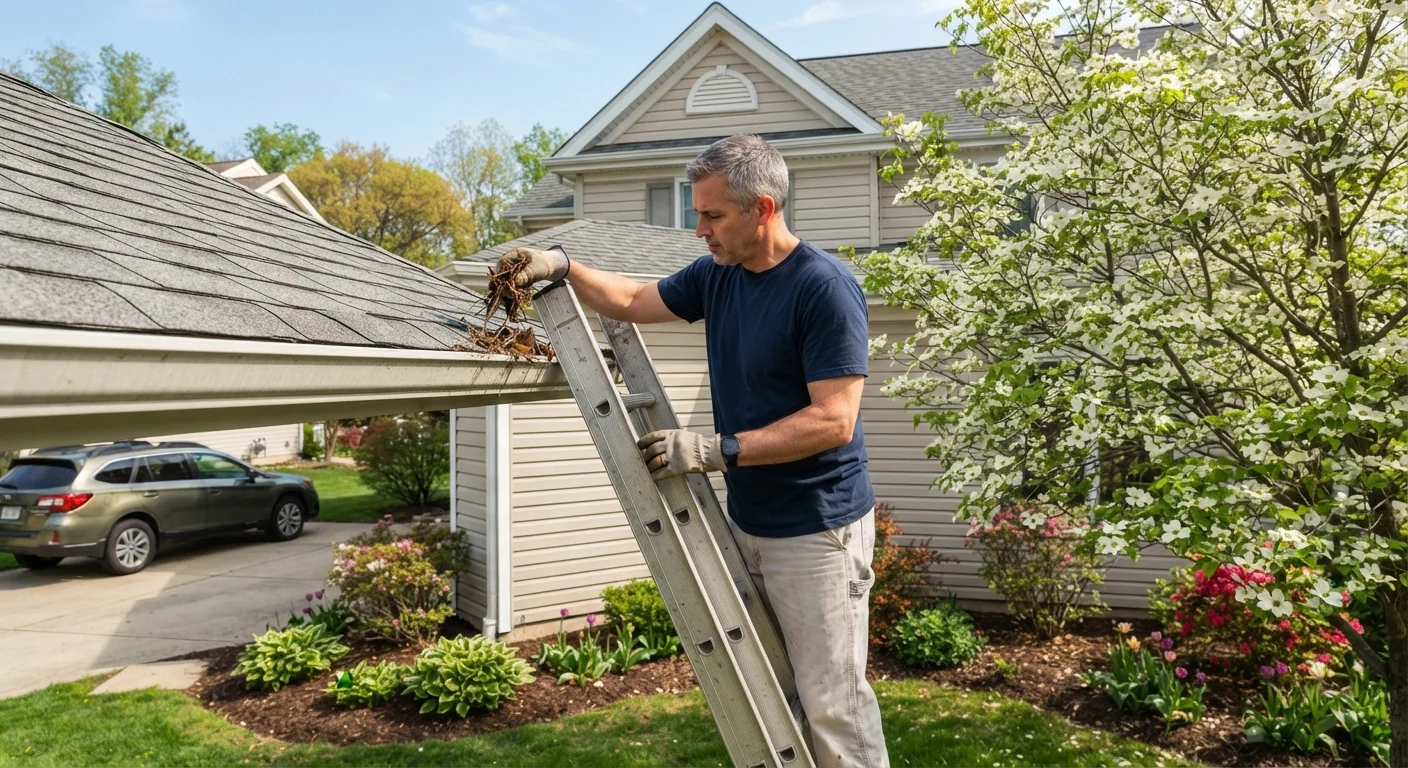
Photo credit: PrimeFaqs.com | Trending And Accurate Content
After winter, your home's exterior, drainage, and HVAC need attention. Here are the checks and fixes that matter most as the seasons change.
Key Takeaways
- Spring maintenance catches winter damage early, before it compounds into major structural or system failures.
- Gutters, roofing, HVAC, and drainage are the four highest-priority systems to inspect each spring.
- Several tasks - especially electrical, gas line, and structural checks - should be handled by licensed professionals.
- A consistent seasonal routine is one of the most reliable ways to protect your home's long-term value.
- Documenting what you find and fix each spring creates a useful record for insurance, resale, and warranty purposes.
Why Spring Maintenance Deserves Its Own Checklist
Winter is hard on a home. Freeze-thaw cycles stress roofing materials, clog gutters with debris, shift soil around foundations, and put heating systems through months of heavy use. By the time spring arrives, a range of issues may be lurking - some visible, others not yet apparent.
Acting early in the season gives you the best window to catch those problems before they escalate. A small roof crack left unaddressed through spring rains can become a significant interior water damage issue by summer. A neglected HVAC filter heading into cooling season strains the system and reduces efficiency. The tasks below are the ones that matter most, presented in a practical sequence for working through your home systematically.
For a fuller picture of year-round upkeep, see your home's annual maintenance calendar - it puts spring tasks in context alongside the rest of the year. And if you're newer to homeownership, this introduction to home maintenance is a solid place to start building your routine.
Inspect and Clean Gutters and Downspouts
Gutters filled with winter debris - leaves, twigs, compacted organic matter - can't channel spring rainwater away from your home effectively. Standing water in gutters adds weight stress to the fascia, promotes rot, and creates conditions for pest nesting.
Clear gutters by hand or with a scoop, then flush them with a garden hose to confirm water flows freely through each downspout. Check that downspouts direct water at least three to four feet away from the foundation. Look for sagging sections, separated joints, or loose hangers that may need reattachment. If gutters are heavily corroded or consistently pulling away from the roofline, a professional evaluation is worthwhile.
Blocked gutters are one of the most common contributors to foundation water intrusion.
Check the Roof for Winter Damage
You don't need to walk your roof to do a useful visual check - binoculars from the ground or a careful look from an upper window can reveal a lot. Look for missing or lifted shingles, damaged flashing around chimneys and vents, and any obvious sagging or displacement.
Inside the attic, inspect for water staining on the sheathing or insulation, which indicates past or ongoing leaks. Pay attention to ventilation: soffit and ridge vents should be clear of insulation and debris to prevent moisture buildup. If you spot potential damage or aren't confident in your assessment, a licensed roofing contractor can provide a professional inspection. Roof work - particularly at height - carries significant fall risk and is generally not a DIY task.
Attic staining is often the first visible sign of a roof leak that's been developing for months.
Service Your HVAC System Before Cooling Season
Spring is the right moment to transition your HVAC system from heating to cooling mode - and to give it the attention it needs before summer demand peaks. Start with the basics: replace air filters, which should typically be changed every one to three months depending on filter type and household conditions.
Outdoors, clear any debris - leaves, seed pods, matted grass - from around the condenser unit, and gently rinse the fins if they're visibly dirty. Check that the area around the unit has adequate clearance per manufacturer guidelines. For a full system check including refrigerant levels, electrical connections, and coil cleaning, schedule a tune-up with a licensed HVAC technician. This is a task where professional service pays for itself in efficiency and equipment longevity. Common myths about filter change frequency are worth understanding before you set your maintenance schedule.
Scheduling an HVAC tune-up in early spring avoids the rush when summer heat arrives unexpectedly.
Examine Foundation and Drainage Around the Home
Walk the full perimeter of your home after a rain to observe how water behaves. The ground should slope away from the foundation on all sides - a general rule is a drop of roughly six inches over the first ten feet. Soil that has settled against the foundation, or flat areas where puddles form near the house, can direct water toward the basement or crawl space.
Inspect the foundation itself for new cracks - hairline settling cracks are common, but horizontal cracks, stair-step cracks in masonry, or cracks that have grown since your last inspection warrant a structural engineer's evaluation. Window well covers and basement window seals should also be checked for condition. Plumbing maintenance oversights around the home's exterior - like failing to check outdoor hose bibs after freezing temperatures - are easy to miss this time of year.
Water management at the foundation level is one of the most consequential and overlooked spring tasks.
Inspect Caulking, Weatherstripping, and Exterior Seals
Cold temperatures cause caulking and weatherstripping to shrink, crack, and separate. Check seals around all exterior windows and doors, as well as where different materials meet - siding to trim, trim to foundation, and around any penetrations like pipes or electrical conduit through the exterior wall.
Deteriorated caulk allows moisture to enter wall cavities, where it can damage insulation and framing without ever producing an obvious interior symptom. Re-caulking is a manageable DIY task: remove old material completely with a utility knife or caulk remover tool, clean the surface, and apply a weatherproof exterior-grade caulk appropriate for the materials involved. Replace weatherstripping on doors and windows that no longer compress fully when closed.
Failed caulking is invisible until moisture damage inside the wall makes it impossible to ignore.
Assess Decks, Patios, and Exterior Wood
Wood decking and exterior trim absorb moisture through winter and are prone to cracking, warping, and loosening fasteners by spring. Walk your deck and look for boards with significant checking (surface cracks running with the grain), soft spots that suggest rot, or protruding nails and screws that create a trip hazard.
Check deck ledger connections - where the deck attaches to the house - for signs of separation or corrosion, as these are critical structural points. Railings should be tested for stability; a railing that moves when pushed should be repaired before the deck is used. If your deck hasn't been sealed or stained recently and water no longer beads on the surface, spring is the right time to refinish it - but allow several dry days after winter before applying any finish. For compact outdoor spaces, maintaining a small outdoor space through every season offers practical guidance on keeping things safe and usable year-round.
Loose deck railings and rotting fasteners are safety hazards that visual inspection alone can easily catch.
Prep Outdoor Plumbing and Irrigation
Once the threat of frost has passed for your region, reconnect garden hoses and re-open outdoor hose bibs. Before turning irrigation systems back on, inspect emitter heads and drip lines for winter damage - cracked housings and shifted heads are common after ground movement. Run each irrigation zone briefly and observe coverage to catch any broken heads or misdirected spray before you're watering through the full season.
If your home has an in-ground irrigation system with a backflow preventer, confirm it was properly winterized and test it before pressurizing the system. A malfunctioning backflow preventer can allow irrigation water to contaminate the household supply - if you're uncertain of the device's condition, a licensed plumber or irrigation specialist should evaluate it. Before planting season begins, it's also worth assessing your garden's drainage to make sure irrigation adjustments align with how water naturally moves through your beds.
Pressurizing a damaged irrigation system without inspection can waste significant water before anyone notices.
Turning the List Into Action
Working through these tasks doesn't require completing everything in a single weekend. Prioritize by risk: roof, drainage, and HVAC checks should come first, since failures in those systems tend to have the fastest and most expensive downstream effects. Exterior cosmetic repairs and garden prep can follow at a more comfortable pace.
Tackle High-Risk Tasks in the Right Order
Work from the top of your home down: roof and gutters first, then exterior walls and windows, then foundation and drainage, then ground-level systems. This sequence mirrors how water moves and helps you find root causes before you address symptoms. Always prioritize safety - use appropriate ladder technique, work with a partner where possible, and defer any task requiring electrical or structural expertise to a licensed professional.
As you work, take notes on what you find - even the things that look fine. A simple maintenance log helps you track when filters were last changed, when caulking was last redone, and what a contractor said during a past visit. Keeping a home maintenance log is a habit that pays off when it's time to file an insurance claim or sell your home.
Not sure which tasks are within your skill level? Weighing DIY versus professional installation across common home projects can help you make that call with confidence. Skipping tasks - especially the less visible ones - is where costs quietly accumulate, as detailed in what deferred home maintenance actually costs you.
This article provides general home maintenance guidance for informational purposes. For work involving electrical systems, gas lines, roofing, or structural components, consult a licensed professional and verify local permit requirements before beginning.

Author
Home & Garden Editorial Team
Home & Garden Editorial Team is the collective byline for our editorial team and contributor network. Articles published under this byline or an editorial pen name are researched, written, and reviewed according to our editorial standards for clarity, consistency, and independence before publication.
View all articles →