
What Deferred Home Maintenance Actually Costs You
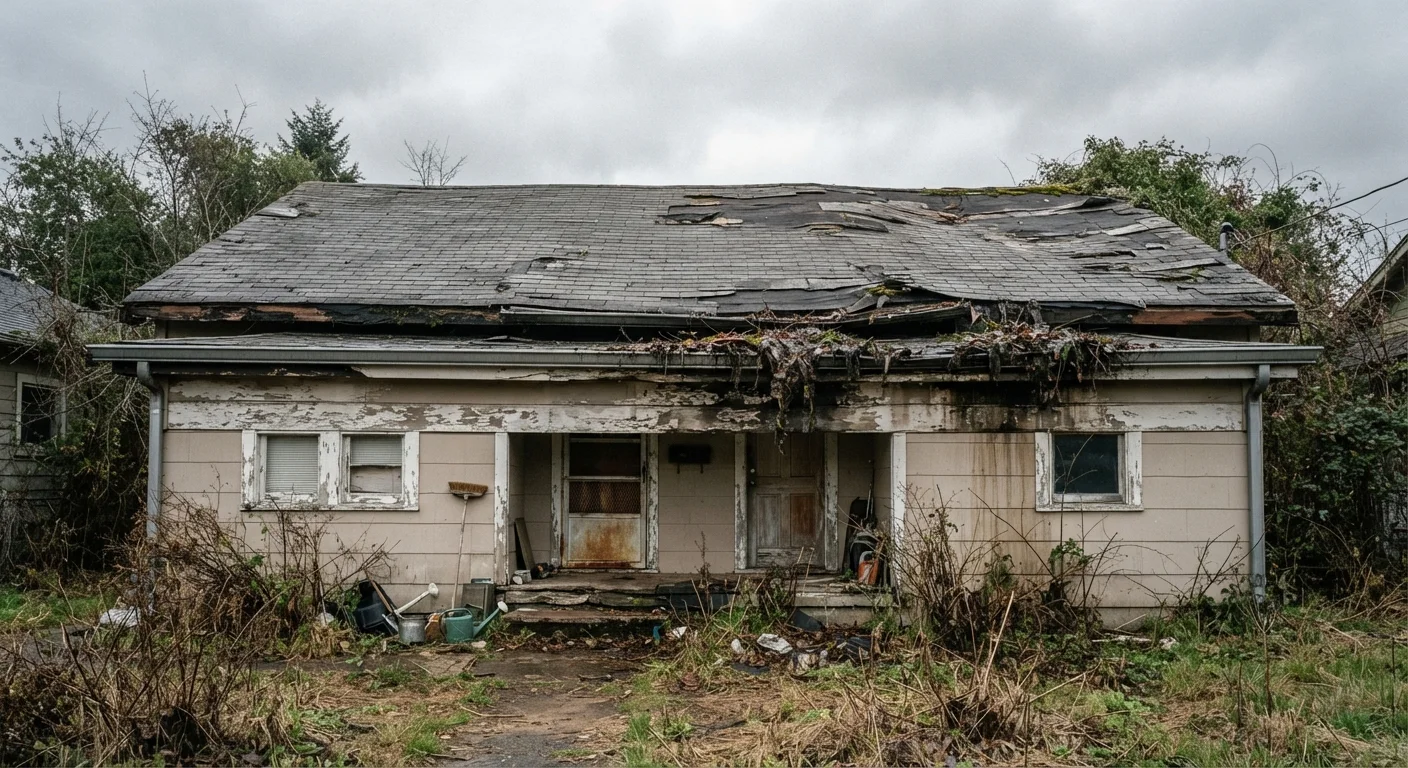
Photo credit: PrimeFaqs.com | Trending And Accurate Content
In this article
Putting off small repairs can snowball into major expenses. Here's how neglected upkeep compounds over time and what to prioritize first.
Key Takeaways
- A small roof leak left unaddressed can lead to structural rot, mold, and insulation replacement costing many times the original repair.
- Deferred maintenance compounds: moisture intrusion, for example, creates cascading damage across multiple systems simultaneously.
- Routine inspections - gutters, HVAC filters, caulking, and plumbing - are among the lowest-cost interventions available to homeowners.
- Insurance claims may be denied when damage stems from documented neglect rather than a sudden, unexpected event.
- Prioritizing repairs by consequence severity - not just by cost - is the most effective strategy for protecting your home long-term.
Why Small Problems Don't Stay Small
Most homeowners don't skip maintenance out of carelessness - they delay it because the problem seems minor, the timing feels inconvenient, or the immediate cost feels avoidable. The trouble is that homes are interconnected systems, and a failure in one area rarely stays contained.
A missing shingle, for instance, seems like a cosmetic issue. Left through a wet season, water reaches the decking. The decking softens and rots. Moisture migrates into the attic insulation, then to ceiling drywall below. What started as a straightforward shingle repair can evolve into a project touching roofing, framing, insulation, and interior finishes - at a cost that multiplies with every passing month.
This pattern - where a low-cost fix escalates into a high-cost restoration - is the core financial risk of deferred maintenance. It isn't hypothetical; it's a predictable outcome of how building materials and systems degrade when left unprotected.
When to Call a Licensed Professional
Tasks involving electrical systems, gas lines, structural elements, or roofing that requires walking on steep pitches should be handled by licensed contractors. Many jurisdictions also require permits for work beyond basic repairs - check with your local building department before starting significant projects. This article covers general maintenance awareness, not instructions for regulated or hazardous work.
The Systems Most Vulnerable to Neglect
Not all deferred maintenance carries equal risk. Some tasks, when skipped, have limited consequences. Others open the door to cascading damage. Understanding the difference helps homeowners prioritize when time and budget are limited.
- Roofing and gutters: Clogged gutters redirect water against fascia boards and foundations. Failed flashing allows moisture behind siding and into wall cavities. These are among the fastest-escalating failures.
- Plumbing: Slow drips under sinks, around toilet bases, or behind washing machines create sustained moisture exposure. Over time, this encourages mold growth and structural wood decay. See our guide to common plumbing maintenance mistakes for specific errors to avoid.
- HVAC systems: A dirty filter forces the system to work harder, shortening its lifespan. Skipped annual servicing can allow refrigerant leaks, failed capacitors, or heat exchanger cracks to go undetected until the unit fails entirely.
- Exterior caulking and seals: Gaps around windows, doors, and penetrations admit both water and conditioned air. Energy bills creep up while moisture silently works behind surfaces.
- Electrical panels and smoke detectors: These carry safety implications beyond repair costs. Outdated panels or non-functioning detectors are concerns that warrant prompt professional attention.
1%-3%
Recommended annual home maintenance budget
Many housing and financial planning resources suggest setting aside 1%-3% of a home's value annually for routine maintenance and repairs.
3x-10x
Cost multiplier when repairs are delayed
Industry estimates from home inspection and contracting professionals suggest that deferred repairs commonly cost several times more than the original fix once secondary damage is factored in.
~35%
Homeowners with no maintenance budget
Surveys by housing research organizations have consistently found that a significant portion of homeowners do not set aside any dedicated funds for ongoing maintenance.
How Deferred Maintenance Affects Insurance and Resale
The financial impact of neglect isn't limited to repair bills. Two significant secondary costs often catch homeowners off guard: insurance coverage gaps and reduced property value.
Standard homeowners insurance policies are designed to cover sudden, accidental losses - not gradual deterioration. If an adjuster determines that a claim results from a maintenance issue that developed over time, the claim may be partially or fully denied. In some cases, insurers may choose not to renew a policy when they identify evidence of ongoing neglect during an inspection.
On the resale side, appraisers are trained to identify deferred maintenance and apply depreciation accordingly. Buyers and their inspectors will also flag issues, often using them as negotiating leverage to reduce the sale price. A home that required modest annual upkeep but didn't receive it may sell for noticeably less than one kept in good repair - and may sit on the market longer.
Building a Maintenance Routine That Prevents Escalation
The most practical defense against deferred maintenance costs is a structured, seasonal routine that catches problems while they're still inexpensive. If you're just establishing yours, our introduction to home maintenance for first-time owners is a useful starting point.
A workable framework looks like this:
- Conduct two thorough walk-throughs per year - spring and fall - checking the roof, gutters, foundation perimeter, windows, doors, and visible plumbing connections.
- Keep a simple maintenance log. Documenting what was inspected and when helps you track cycles, notice patterns, and demonstrate upkeep history to insurers or future buyers.
- Address water-related issues immediately. Any sign of moisture intrusion - staining, soft spots, musty odor - should be investigated and resolved before the next rain event.
- Schedule annual professional inspections for HVAC, chimney, and any systems outside your comfort level. The inspection cost is reliably lower than emergency repair costs.
For a season-specific checklist, spring maintenance tasks every homeowner should complete offers a structured starting point after winter.
Start With a Maintenance Budget Line
Even a modest dedicated fund for home upkeep changes the psychology of repairs - it converts an unexpected expense into a planned one. Many financial planners suggest treating home maintenance as a non-negotiable monthly allocation, not an optional cost. Having funds available makes it far easier to address issues before they compound.
Frequently Asked Questions

Author
Home & Garden Editorial Team
Home & Garden Editorial Team is the collective byline for our editorial team and contributor network. Articles published under this byline or an editorial pen name are researched, written, and reviewed according to our editorial standards for clarity, consistency, and independence before publication.
View all articles →