
Plumbing Maintenance Mistakes That Lead to Expensive Repairs
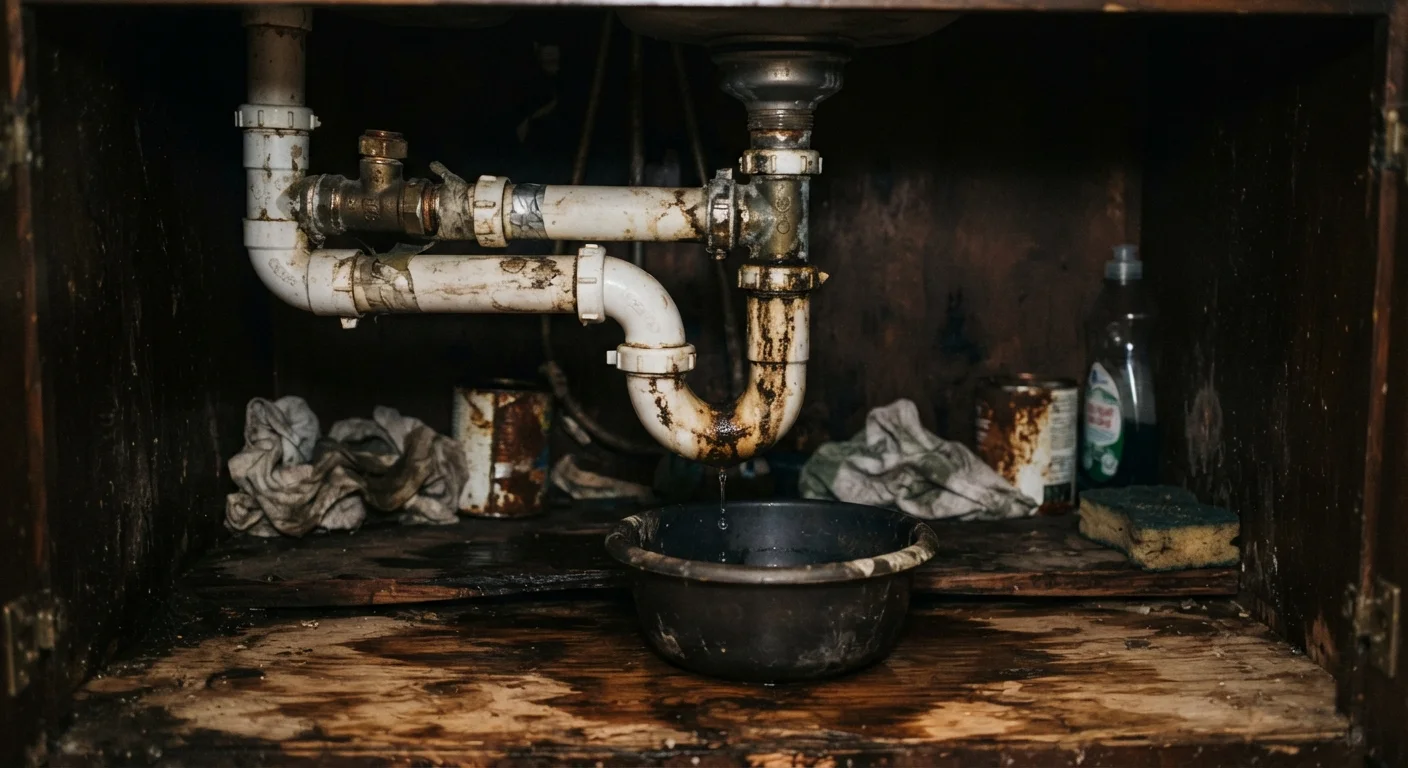
Photo credit: PrimeFaqs.com | Trending And Accurate Content
In this article
Ignoring slow drains, over-tightening fittings, and skipping shutoff valve checks are common errors. Find out why they matter and how to avoid them.
Key Takeaways
- Ignoring slow drains is one of the most common-and costly-plumbing oversights homeowners make.
- Over-tightening pipe fittings can crack connections and cause hidden leaks behind walls.
- Shutoff valves that are never tested may seize exactly when you need them most.
- Skipping annual water heater maintenance shortens the unit's lifespan and risks failure.
- Chemical drain cleaners can corrode older pipes, making a small clog a bigger problem.
Why Small Plumbing Mistakes Become Big Bills
Plumbing is one of those home systems that works quietly in the background-until it doesn't. Because most pipes are hidden behind walls or under floors, minor issues can go unnoticed for months, accumulating damage the whole time. The repair bill that results rarely reflects just the broken pipe; it reflects the water-damaged drywall, warped subfloor, and mold remediation that followed.
The encouraging reality is that the mistakes driving most of these expensive repairs are predictable and preventable. Understanding where homeowners routinely go wrong is the first step toward keeping your plumbing in shape. For a broader look at how deferred upkeep compounds over time, see what deferred home maintenance actually costs you.
Ignoring slow drains until they stop completely.
Why it happens: Homeowners often treat a sluggish drain as a minor nuisance rather than an early warning sign, assuming it will resolve on its own.
Over-tightening pipe fittings and supply line connections.
Why it happens: The instinct to tighten "just a little more" to stop a drip is understandable, but fittings have a rated torque threshold, and exceeding it stresses the threads or cracks plastic components.
Never testing shutoff valves until a plumbing emergency forces it.
Why it happens: Shutoff valves under sinks, behind toilets, and at the main line are rarely touched, so homeowners assume they work. Mineral deposits and corrosion can seize a valve solid over years of disuse.
Skipping water heater maintenance entirely.
Why it happens: Water heaters operate reliably for years, leading most homeowners to treat them as maintenance-free appliances until failure.
Using chemical drain cleaners as a routine maintenance tool.
Why it happens: Liquid drain cleaners are widely marketed as a quick fix and are easy to pour, making them a default first response to any slow drain.
Overlooking small drips from supply lines or faucet bases.
Why it happens: A slow drip under a sink often hides behind stored items, and homeowners may not check those areas regularly.
Proactive Habits That Protect Your Plumbing
Avoiding these mistakes requires less time than fixing their consequences. A practical approach is to fold basic plumbing checks into your seasonal home maintenance routine. Test every shutoff valve, inspect exposed supply lines under sinks and behind toilets, and flush your water heater annually to clear sediment buildup. These tasks take under an hour and can reveal problems while they're still inexpensive to address.
Hazardous Work Requires a Licensed Plumber
Tasks involving connections to the main water supply line, gas-fired water heater components, or work that typically requires a permit in your jurisdiction should not be attempted as DIY projects. Incorrectly completed plumbing work can create flooding risks, void homeowner's insurance claims, and fail required inspections. Always verify local permit requirements with your municipality before starting any plumbing project beyond routine maintenance.
For work that goes beyond basic upkeep-such as replacing supply lines that feed into the main, re-routing drain stacks, or anything involving gas-connected water heaters-contact a licensed plumber. Unpermitted or incorrectly executed plumbing work can create safety hazards and may complicate home sales down the line. If you're evaluating what's genuinely DIY-friendly versus what warrants a professional, the same principle explored in knowing when to DIY and when to call a pro applies here at home. Spring is also a natural checkpoint - every homeowner's spring maintenance list includes several plumbing-related checks worth scheduling.
~14%
Of home water use lost to household leaks
According to the U.S. Environmental Protection Agency, the average household's leaks can account for nearly 10,000 gallons of wasted water per year.
$2,500+
Average water damage repair cost
Industry estimates from restoration and insurance data consistently place the average interior water damage claim well above $2,500, not including mold remediation.

Author
Home & Garden Editorial Team
Home & Garden Editorial Team is the collective byline for our editorial team and contributor network. Articles published under this byline or an editorial pen name are researched, written, and reviewed according to our editorial standards for clarity, consistency, and independence before publication.
View all articles →