
Before You Plant: A Garden Prep Checklist for Every Season
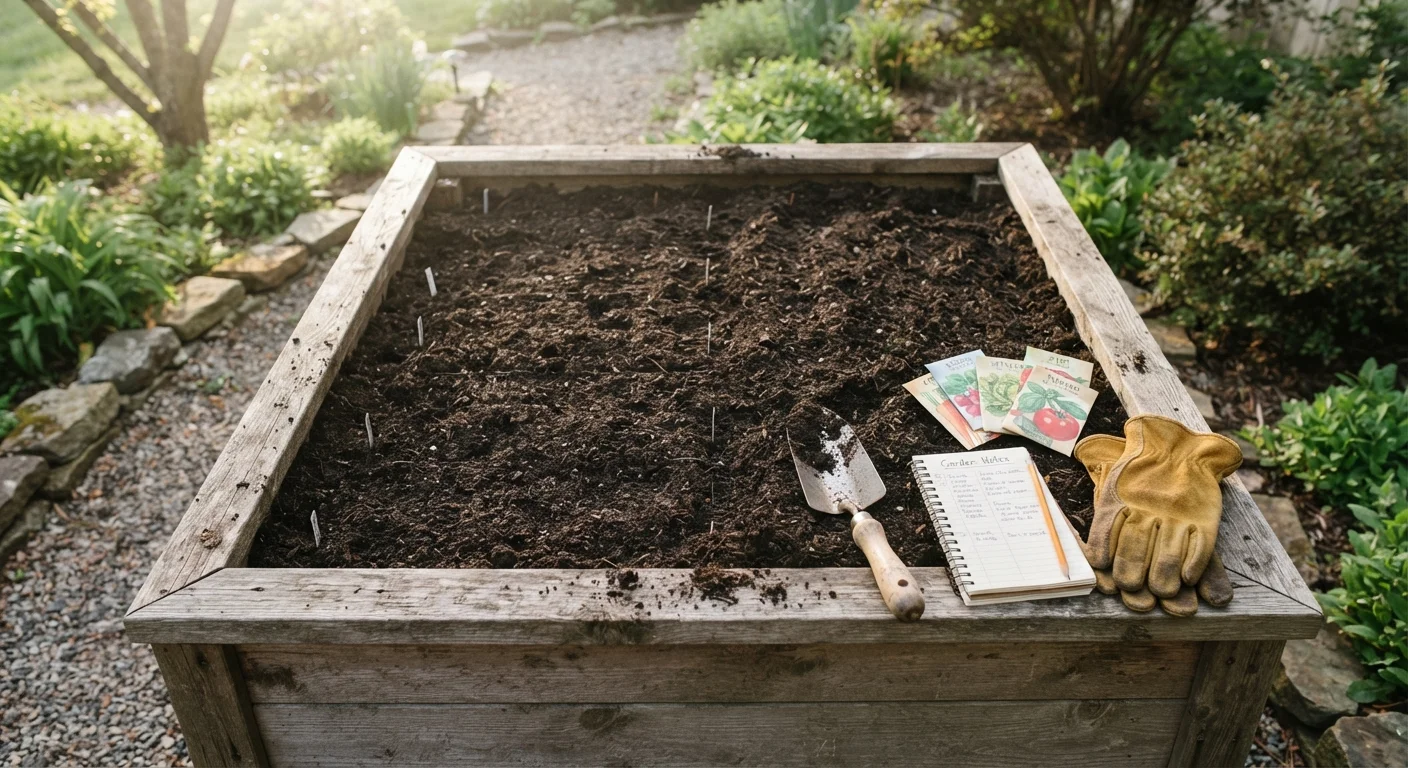
Photo credit: PrimeFaqs.com | Trending And Accurate Content
In this article
Run through this checklist before every planting season to assess soil, drainage, tool readiness, and plant spacing before a single seed goes in.
Key Takeaways
- Testing and amending soil before planting is the single highest-impact step most gardeners skip.
- Drainage assessment prevents root rot and waterlogged beds that ruin entire plantings.
- Tool inspection and cleaning before the season reduces mid-project delays and disease spread.
- Spacing plants correctly from day one avoids overcrowding, poor airflow, and reduced yields.
- Seasonal adjustments - not a one-size-fits-all routine - keep your garden productive year-round.
Why Pre-Season Preparation Outperforms In-Season Rescue
Most garden failures are diagnosed mid-season - wilting plants, yellowing leaves, stunted growth - but their causes were set weeks before the first seed went in. Compacted soil, poor drainage, and pH imbalances don't announce themselves; they quietly undermine everything you plant. Running through a structured checklist before each season closes that gap between effort and results.
This checklist applies to every planting season - spring, summer, fall, and even the critical prep window before winter dormancy. Whether you're working a backyard vegetable patch or a mixed border of annuals and perennials, the categories are the same: soil health, drainage, tools, and plant planning. If you're just getting started with food growing, our guide on starting a vegetable garden from zero pairs well with this checklist as a companion reference.
Work through each group below before you purchase a single plant or sow a single seed. The time spent now is a fraction of what you'd lose recovering from a preventable problem.
Soil pH & Nutrient Test Kit
Measures soil pH and key nutrient levels so you know exactly what amendments to apply before planting.
Garden Spade or Border Fork
Used to turn and loosen soil when incorporating compost and amendments to the correct depth.
Hoe (stirrup or standard)
Clears weeds and shapes planting rows before seeds or transplants go in.
Compost or Aged Manure
Organic material worked into beds to improve soil structure, drainage, and nutrient availability.
Soil Thermometer
Verifies that ground temperature has reached the minimum threshold required for your chosen crops to germinate or establish.
Garden Hose with Adjustable Nozzle
Delivers water at the right pressure for newly sown seeds versus established transplants.
Linseed Oil & Sharpening Stone
Conditions wooden tool handles and restores sharp cutting edges to hoes, spades, and pruners.
Garden Layout Notebook or Graph Paper
Lets you plan spacing, crop rotation, and companion planting before a single plant goes in the ground.
How to Use This Checklist Season by Season
Not every item on this list applies equally to every season, so the final group - Seasonal Adjustments - distills the highest-priority actions by time of year. That said, the Soil Assessment, Drainage, and Tool Readiness groups should be revisited at the start of every season, not just spring. Soil chemistry shifts, drainage paths change after heavy precipitation, and tools accumulate damage quietly over months of use.
Don't Skip the Frost Date Check
Planting too early - even by a week - can expose tender seedlings to a killing frost, wiping out an entire bed overnight. Always confirm your average last spring frost date and first fall frost date through your local cooperative extension office or a reliable regional weather resource. These dates vary significantly by region and even by microclimate within a single county.
Amend Based on Test Results, Not Guesswork
Adding lime, sulfur, or fertilizer without knowing your baseline pH and nutrient levels can push soil chemistry in the wrong direction, locking out nutrients your plants need. Over-amending is a common and costly mistake. Let a soil test guide every amendment decision rather than following a one-size-fits-all formula.
For spring prep specifically, this checklist pairs naturally with broader exterior tasks. Our spring home maintenance guide covers the drainage, gutter, and exterior checks that directly affect how well your garden beds drain and how much runoff reaches your planting areas.
When planning what to plant, especially if you're mixing annual color with long-lived perennials, understanding how those two categories interact will shape your layout decisions. See our guide to mixing annuals and perennials for a practical framework before you finalize your spacing plan.
Soil Assessment & Amendment
Drainage & Site Evaluation
Tool Readiness
Plant Selection & Spacing Planning
Seasonal Adjustments
After the Checklist: Keeping Your Garden Productive
Completing this checklist puts your garden in the strongest possible position - but ongoing care is what sustains that foundation. Two of the most common mid-season mistakes are watering incorrectly and neglecting month-to-month maintenance tasks. Poor watering habits account for more plant failures than most gardeners realize. Our overview of watering habits that quietly kill healthy plants explains the specific routines - timing, depth, and frequency - that either support or undermine everything this checklist builds.
Crop Rotation Is Non-Negotiable for Vegetables
Returning the same plant family to the same bed year after year allows soil-borne diseases - such as clubroot in brassicas and early blight in tomatoes - to build up to damaging levels. Rotate vegetable families on a minimum three-year cycle, keeping a simple written log so you remember what grew where. This single habit protects your investment better than most sprays or treatments.
For a structured view of what to do every month once the season is underway, bookmark our month-by-month seasonal garden maintenance reference. It picks up exactly where this prep checklist leaves off and carries your garden through all four seasons with specific, actionable tasks at each stage.
If you're working with a compact outdoor area, the same checklist principles apply - they just operate at a smaller scale. Our guide to keeping a small outdoor space functional through every season adapts these ideas for patios, balconies, and tight urban yards.

Author
Home & Garden Editorial Team
Home & Garden Editorial Team is the collective byline for our editorial team and contributor network. Articles published under this byline or an editorial pen name are researched, written, and reviewed according to our editorial standards for clarity, consistency, and independence before publication.
View all articles →