
The Watering Habits That Quietly Kill Healthy Plants
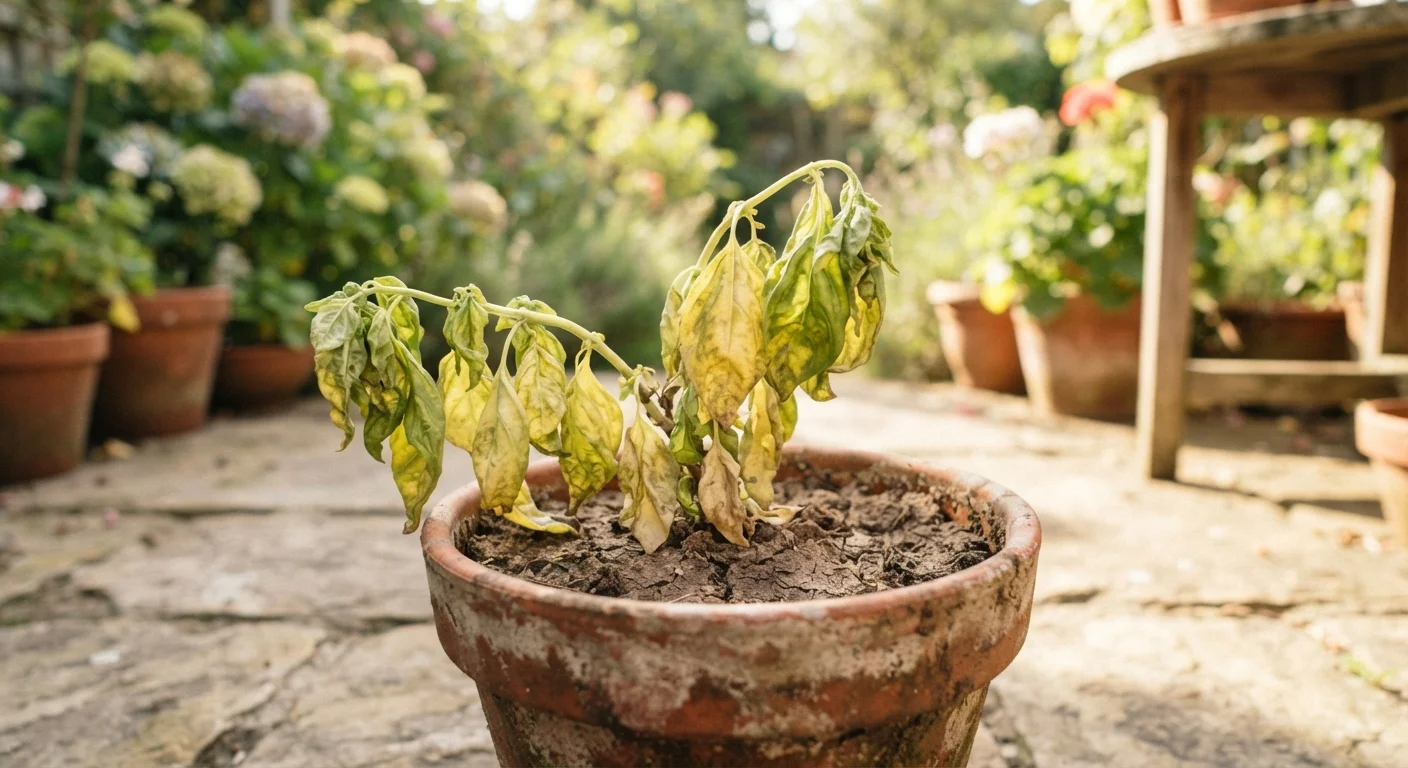
Photo credit: PrimeFaqs.com | Trending And Accurate Content
In this article
Overwatering, shallow soaking, and bad timing are behind most plant failures. Learn what's going wrong and how to fix your routine.
Key Takeaways
- Overwatering is the leading cause of plant death among home gardeners, not drought.
- The best time to water most plants is early morning, reducing evaporation and disease risk.
- Shallow, frequent watering trains roots to stay near the surface, weakening plants long-term.
- Soil moisture - not a fixed schedule - should always guide when you water.
- Drainage quality matters as much as the amount of water you apply.
Why Watering Errors Are So Easy to Make
Watering seems like the most intuitive part of gardening - add water, plants grow. But most plant failures trace back not to neglect, but to well-intentioned habits that quietly create the wrong conditions. Understanding why these patterns form is the first step toward breaking them.
The challenge is that overwatering and underwatering produce nearly identical visible symptoms. Both cause wilting. Both cause yellowing leaves. Without checking beneath the surface, it's genuinely difficult to tell which problem you're facing - which means guessing often makes things worse.
Overwatering Looks Like Underwatering
Yellowing leaves, wilting, and soft stems are often blamed on too little water - but they are equally common symptoms of roots suffocating in waterlogged soil. Before adding more water, always check soil moisture two to three inches below the surface. Acting on assumptions rather than evidence is how well-meaning gardeners lose healthy plants.
Before you adjust your routine, it helps to start at the source. Our garden prep checklist covers soil drainage, bed preparation, and spacing decisions that directly affect how your plants respond to water from day one.
The Most Damaging Watering Mistakes - And How to Fix Them
The errors below are remarkably common, even among experienced gardeners. Each one is easy to correct once you can see it clearly.
Watering on a fixed schedule regardless of weather or soil conditions.
Why it happens: A set routine feels reliable and easy to maintain, so many gardeners stick to it even through rainy weeks or cooler stretches when plants need far less.
Applying water in short, frequent bursts that only wet the top inch of soil.
Why it happens: Quick daily watering feels attentive and thorough, but it conditions roots to cluster near the surface where they are vulnerable to heat, drought, and foot traffic.
Watering at midday or evening instead of early morning.
Why it happens: Midday watering fits a lunch break; evening watering fits an after-work routine. Neither accounts for the consequences those timing choices create.
Ignoring drainage and watering regardless of pot or soil conditions.
Why it happens: Many gardeners focus entirely on how much they water and overlook whether that water can actually escape. Pots without drainage holes and compacted soil trap water around roots.
Using the same watering frequency for every plant in the garden.
Why it happens: Treating the entire garden as one uniform system is simpler, but succulents, vegetables, shrubs, and annuals have meaningfully different moisture needs.
90%
Of houseplant deaths linked to watering errors
Horticultural educators broadly estimate that improper watering - predominantly overwatering - accounts for the vast majority of preventable plant losses in home gardens and containers.
2-3 in.
Minimum soil depth to check moisture
Extension gardening programs consistently recommend probing at least two to three inches into the soil before watering, since surface dryness rarely reflects actual root-zone conditions.
Patterns like these echo across other areas of home upkeep too. Just as ignoring small maintenance steps can compound into larger problems - as explored in our look at plumbing maintenance mistakes - overlooking the basics of watering can quietly undermine months of gardening effort.
Building a Smarter Watering Routine
Correcting these habits doesn't require expensive equipment or an overhaul of your garden. A few consistent practices make an outsized difference.
Wet Foliage Invites Fungal Disease
Watering in the evening leaves moisture sitting on leaves and soil overnight, creating ideal conditions for fungal diseases like powdery mildew and root rot. If morning watering isn't feasible, water at the base of the plant only and allow as much drying time before nightfall as possible. Overhead watering at dusk is one of the quickest ways to lose an otherwise thriving bed.
- Probe before you pour. Push your finger or a wooden dowel two to three inches into the soil. Water only when that depth feels dry.
- Water at the root zone. Direct water toward the base of plants rather than over foliage. Soaker hoses and drip irrigation are particularly effective for this.
- Observe, then adjust. Track rainfall in your area - even informally - and skip scheduled watering after significant rain. A rain gauge is a modest investment that prevents a great deal of overwatering.
- Match your approach to the season. Plants need significantly less water in cooler months and during dormancy. What worked in July will likely waterlog plants by October.
Good watering habits share something in common with other attentive routines in home management: they rely on observation rather than assumption. The home maintenance hub offers additional guidance on developing that same observational mindset across your property.

Author
Home & Garden Editorial Team
Home & Garden Editorial Team is the collective byline for our editorial team and contributor network. Articles published under this byline or an editorial pen name are researched, written, and reviewed according to our editorial standards for clarity, consistency, and independence before publication.
View all articles →