
Everything You're Getting Wrong About Garden Fertilizer
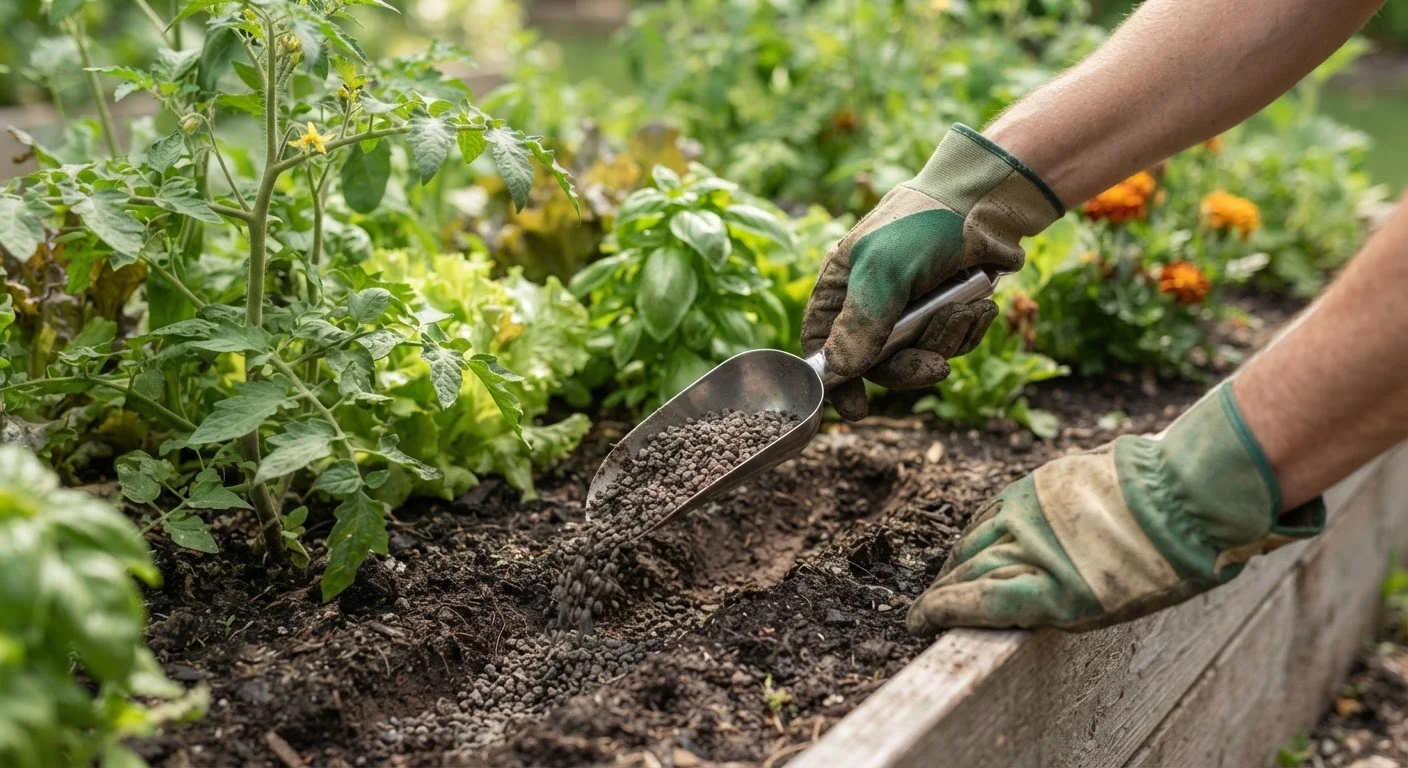
Photo credit: PrimeFaqs.com | Trending And Accurate Content
In this article
More fertilizer isn't always better. Separate fact from fiction on nutrient burn, organic vs. synthetic, and what your plants actually need.
Key Takeaways
- More fertilizer does not mean faster growth - overapplication causes nutrient burn and soil damage.
- Organic and synthetic fertilizers both deliver nutrients; the key difference is how quickly and how long they work.
- A soil test is the most reliable way to know what your garden actually needs before you fertilize.
- Fertilizing at the wrong time of year can waste product and harm plants or local waterways.
- Healthy soil biology matters as much as nutrient content - fertilizer alone cannot fix poor soil structure.
Why Fertilizer Myths Are So Easy to Believe
Walk down any garden center aisle and you'll find bags and bottles promising lush lawns, bigger tomatoes, and vibrant blooms. It's tempting to treat fertilizer like a simple fix - pour it on, watch things grow. But fertilizer is a tool with a specific purpose, and misusing it is one of the most common mistakes home gardeners make.
Most fertilizer myths come from a reasonable place: the logic that more nutrients equal more growth, or that "natural" automatically means safer. Understanding what nutrients actually do - and how soil biology fits into the picture - makes it much easier to fertilize effectively. If you want to go deeper on what's happening beneath your feet, our guide on soil health basics explains the layers and biology your plants depend on.
Myth
Adding more fertilizer than the label recommends will make plants grow faster and stronger.
Fact
Overapplication causes nutrient burn, damages roots, and can kill plants. It also leaches excess chemicals into soil and groundwater.
Nutrients are only useful up to a threshold. Beyond that point, high concentrations of salts in fertilizer draw moisture out of plant roots through osmosis - the same process that causes wilting in drought. This condition, called nutrient burn or fertilizer burn, shows up as brown leaf tips, yellowing, and stunted growth. More is genuinely not better. Follow label rates, and when in doubt, apply slightly less than recommended rather than more.
Myth
Organic fertilizers are always safer and more effective than synthetic ones.
Fact
Organic fertilizers release nutrients more slowly and improve soil structure, but "organic" doesn't automatically mean risk-free or superior in all situations.
Organic fertilizers - such as compost, blood meal, and bone meal - are broken down by soil microorganisms before plants can absorb them, making them gentler and longer-lasting. They also contribute to microbial diversity, which benefits soil health over time. However, they can still be overapplied, some are high in specific nutrients that can accumulate, and their nutrient ratios are harder to control precisely. Synthetic fertilizers, by contrast, deliver nutrients in immediately available forms - useful for correcting a specific deficiency quickly. Neither type is universally superior; the right choice depends on your soil test results, your plants' needs, and your long-term goals.
Myth
If your plants look healthy, you don't need to fertilize at all.
Fact
Visual health doesn't always reflect nutrient status. Deficiencies can develop slowly, and some nutrients are depleted by repeated harvesting or heavy rainfall before symptoms appear.
Vegetable gardens in particular draw heavily on soil nutrients through each growing season. Repeated harvests remove not just plant material but the nutrients locked inside it. Meanwhile, heavy rain can leach nitrogen - the most mobile major nutrient - out of the root zone. A plant may look green and upright while quietly running low on phosphorus or micronutrients that support root development and disease resistance. Annual soil testing gives you a factual baseline rather than relying on visual guesswork.
Myth
Fertilizer can fix any struggling plant.
Fact
Fertilizer addresses nutrient deficiencies only. If a plant is struggling due to overwatering, compacted soil, pests, disease, or incorrect sunlight, adding fertilizer will not help - and may worsen the problem.
When a plant is stressed from poor drainage or root disease, its ability to take up nutrients is already compromised. Adding fertilizer in that state can further damage weakened roots or encourage rapid soft growth that makes the plant more attractive to pests. Diagnose the root cause of poor plant performance first. Check watering habits, drainage, light levels, and signs of pest or disease damage before reaching for a fertilizer bag.
Myth
You should fertilize your garden at the start of every season, no matter what.
Fact
Fertilization timing should be based on plant type, growth stage, and soil test results - not a fixed calendar schedule.
Some plants - like heavy-feeding annuals and vegetables - benefit from regular feeding throughout the growing season. Others, including many native plants and established perennials, require little to no supplemental nutrition once they're rooted in suitable soil. Fertilizing dormant plants in fall or applying nitrogen late in the season can push tender new growth right before frost, leaving plants vulnerable to cold damage. Understanding what your specific plants need - and when - is more useful than a blanket seasonal schedule. For guidance on plant types and their varying needs, see our article on planning annuals and perennials.
What You Should Actually Do Before Fertilizing
The single most underused tool in home gardening is a soil test. Most university extension programs and many garden centers offer affordable kits that measure pH, nitrogen, phosphorus, potassium, and sometimes trace minerals. Results guide you toward only adding what's missing - saving money and preventing accidental damage.
Fertilizer Near Waterways Carries Real Risks
Excess nitrogen and phosphorus from garden fertilizers can wash into storm drains, streams, and lakes during rain events, contributing to algal blooms that deprive aquatic life of oxygen. If your yard slopes toward a drainage area or natural waterway, choose slow-release formulas, apply them conservatively, and water lightly rather than letting runoff carry fertilizer off your property. Check your local municipality's guidelines for fertilizer use near water.
Timing matters just as much as quantity. Fertilizing cool-season crops in peak summer heat, or applying granular fertilizer to dry soil without watering it in, sets you up for disappointing results. Liquid fertilizers generally act faster but need more frequent application; slow-release granules feed plants over weeks or months and suit busy schedules better. For gardeners planning a full planting strategy, see our guide to starting a vegetable garden from scratch for a practical framework that includes feeding schedules.
Finally, keep in mind that fertilizer and mulch work as a team. A layer of organic mulch slows evaporation, moderates soil temperature, and - as it breaks down - gradually enriches your soil. Our overview of garden mulch types and uses walks through which options make sense for different bed and climate conditions.
~50%
Nitrogen lost to leaching or runoff
Research from the University of Minnesota Extension indicates that roughly half of applied nitrogen can be lost before plants use it, particularly in sandy soils or after heavy rain.
1 in 3
Home gardens with excess phosphorus
Soil surveys from multiple U.S. cooperative extension programs have found that a significant share of residential garden soils already contain adequate to excess phosphorus, making additional applications unnecessary.

Author
Home & Garden Editorial Team
Home & Garden Editorial Team is the collective byline for our editorial team and contributor network. Articles published under this byline or an editorial pen name are researched, written, and reviewed according to our editorial standards for clarity, consistency, and independence before publication.
View all articles →