
Garden Mulch: Types, Uses, and When Each Actually Makes Sense
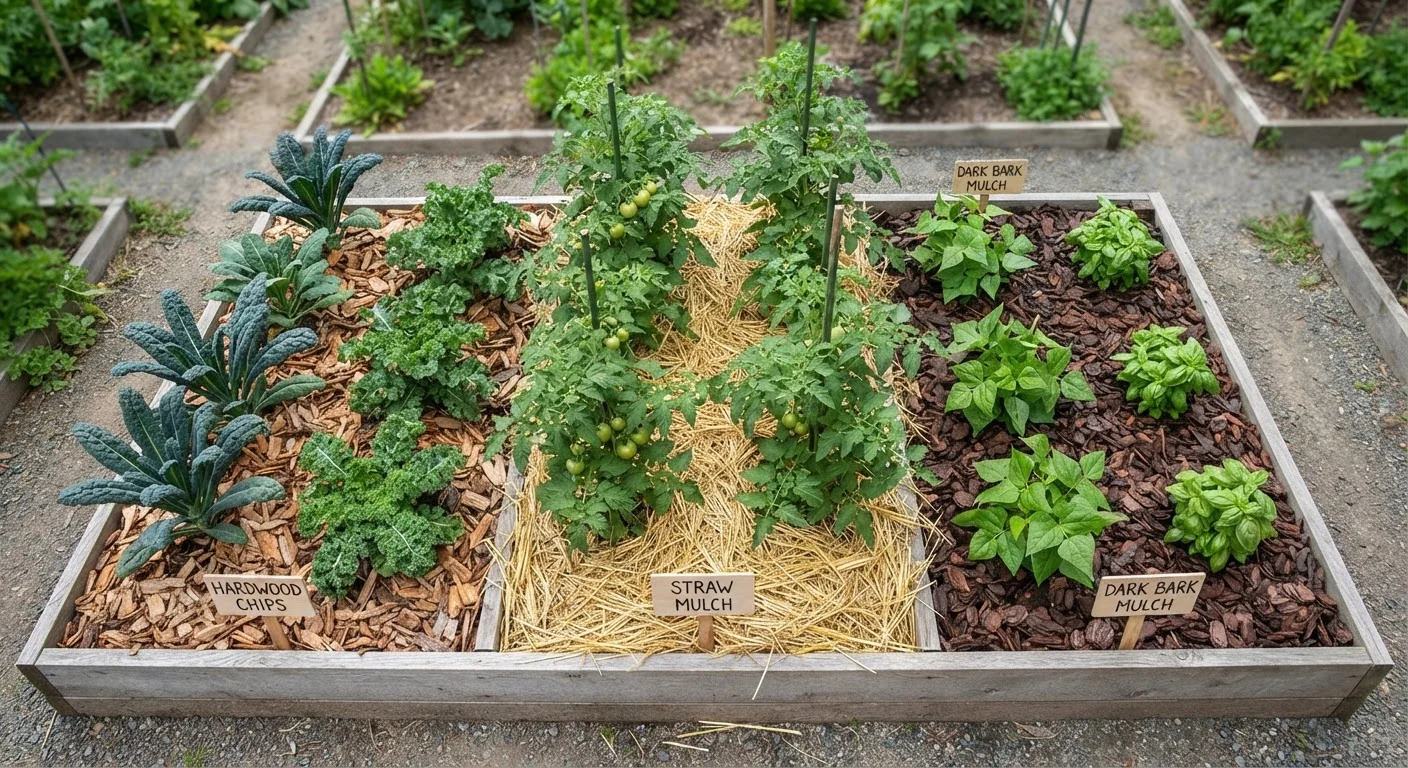
Photo credit: PrimeFaqs.com | Trending And Accurate Content
In this article
Wood chips, straw, rubber, rock — mulch comes in many forms. Here's what each does, where it works, and what to skip.
Key Takeaways
- Organic mulches like wood chips and straw break down over time, feeding soil biology as they decompose.
- Inorganic mulches such as gravel and rubber last longer but don't improve soil health.
- Mulch depth matters: 2-4 inches is the general sweet spot for most garden beds.
- The right mulch depends on your plant type, climate, and how much maintenance you want to do.
- Avoid piling mulch directly against plant stems or tree trunks - it can cause rot and pest problems.
Why Mulch Matters More Than Most Gardeners Realize
Mulch does several jobs at once: it suppresses weeds, regulates soil temperature, retains moisture, and - depending on the type - gradually feeds the soil beneath. Yet many gardeners pick whatever's cheapest at the hardware store without considering whether it suits their plants or conditions.
Understanding the basic categories - organic versus inorganic - is the starting point. Organic mulches are made from plant-based materials that decompose. Inorganic mulches are made from materials that don't break down. Both have legitimate uses, but they serve different purposes and suit different garden situations. To understand why mulch performance is so closely tied to what's happening underground, it helps to learn what your garden soil is actually made of first.
Organic Mulch Options: What Each One Actually Does
Wood chips and bark: Among the most widely used mulches, wood chips and shredded bark work well around trees, shrubs, and perennial beds. They break down slowly (typically over 2-4 years), improving soil structure as they decompose. Hardwood bark is denser and longer-lasting; softwood chips are lighter and break down faster. Avoid using fresh, uncomposted wood chips directly around vegetable plants - they can temporarily tie up soil nitrogen as they decompose.
Straw: Ideal for vegetable gardens and newly seeded lawns. Straw is lightweight, allows water to pass through easily, and breaks down within a single season - meaning you'll need to replenish it annually. It's particularly useful for protecting soil over winter or keeping moisture in during hot summers. Avoid hay, which contains seeds that will germinate in your beds.
Shredded leaves: A free resource for most homeowners in the fall, shredded leaves make excellent mulch for garden beds. They break down relatively quickly, feeding earthworms and soil microbes. Whole, unshredded leaves can mat together and block water penetration, so running them through a mower or shredder first is worth the effort.
Compost: Finished compost used as a mulch layer provides nutrients directly to the root zone. It works best in thin layers (1-2 inches) and benefits vegetable beds most. Learn more about creating your own supply with our guide to composting kitchen scraps at home.
| Wood Chips/Bark | Straw | Shredded Leaves | Gravel/Rock | Rubber Mulch | |
|---|---|---|---|---|---|
| Improves soil health | Yes, over time | Yes, within a season | Yes, quickly | No | No |
| Weed suppression | Good | Moderate | Moderate | Good | Good |
| Moisture retention | Good | Very good | Good | Low | Moderate |
| Longevity | 2-4 years | 1 season | 1 season | Indefinite | 10+ years |
| Best use case | Trees, shrubs, perennials | Veggie beds, new lawns | Any garden bed | Pathways, xeriscape | Playgrounds, ornamental |
| Annual cost/effort | Low after initial | Moderate (annual) | Low (free source) | Low after initial | Very low |
Inorganic Mulch Options: Durability Over Soil Benefits
Gravel and crushed rock: Excellent for drainage-focused landscapes, Mediterranean-style plantings, and pathways. Rock mulch doesn't break down, so it's a one-time install (though it may need occasional raking or topping off). The downside: rock absorbs and radiates heat, which can stress plants in already-hot climates. It also doesn't feed the soil at all.
Rubber mulch: Made from recycled tires, rubber mulch is popular for playgrounds and sometimes used in landscaping. It lasts for many years and doesn't attract pests. However, it offers no soil benefit, can leach trace chemicals over time, and isn't appropriate for edible gardens. Its use in ornamental settings remains a matter of ongoing discussion among landscaping professionals.
Landscape fabric: Often paired with gravel or bark, landscape fabric suppresses weeds but can impede water and air flow over time. Soil life tends to decline beneath it, and weeds eventually establish roots in the mulch layer above. It works best in commercial or hardscape-adjacent settings rather than in active garden beds.
Refreshing Mulch in Spring
Before adding new mulch each spring, rake back what remains from the previous year and check the soil beneath. If the old layer has partially broken down into dark, crumbly material, you can turn it lightly into the top inch of soil before laying fresh mulch on top. This small step maximizes the organic matter benefit without simply burying decomposing material.
Mulch Depth, Placement, and Common Mistakes
For most garden beds, a 2-4 inch layer of mulch is the practical standard. Too shallow and it won't suppress weeds effectively; too deep and it can suffocate roots, trap excess moisture, and create conditions for fungal disease.
One of the most common mistakes is volcano mulching - piling mulch up against tree trunks or plant stems in a cone shape. This traps moisture against bark, encourages rot, and invites insects and rodents. Always leave a gap of a few inches around the base of any plant.
If you're working with raised beds, the choice of mulch may also depend on your bed's construction and drainage setup. Our raised beds vs. in-ground planting comparison walks through how these systems differ in ways that affect mulch performance.
Replenish organic mulch as needed - typically once a year for faster-decomposing types like straw, or every 2-3 years for bark. Watch for signs that the layer has thinned or compacted, especially after heavy rain.

Author
Home & Garden Editorial Team
Home & Garden Editorial Team is the collective byline for our editorial team and contributor network. Articles published under this byline or an editorial pen name are researched, written, and reviewed according to our editorial standards for clarity, consistency, and independence before publication.
View all articles →