
Native Plants and Why Ecologists Keep Talking About Them
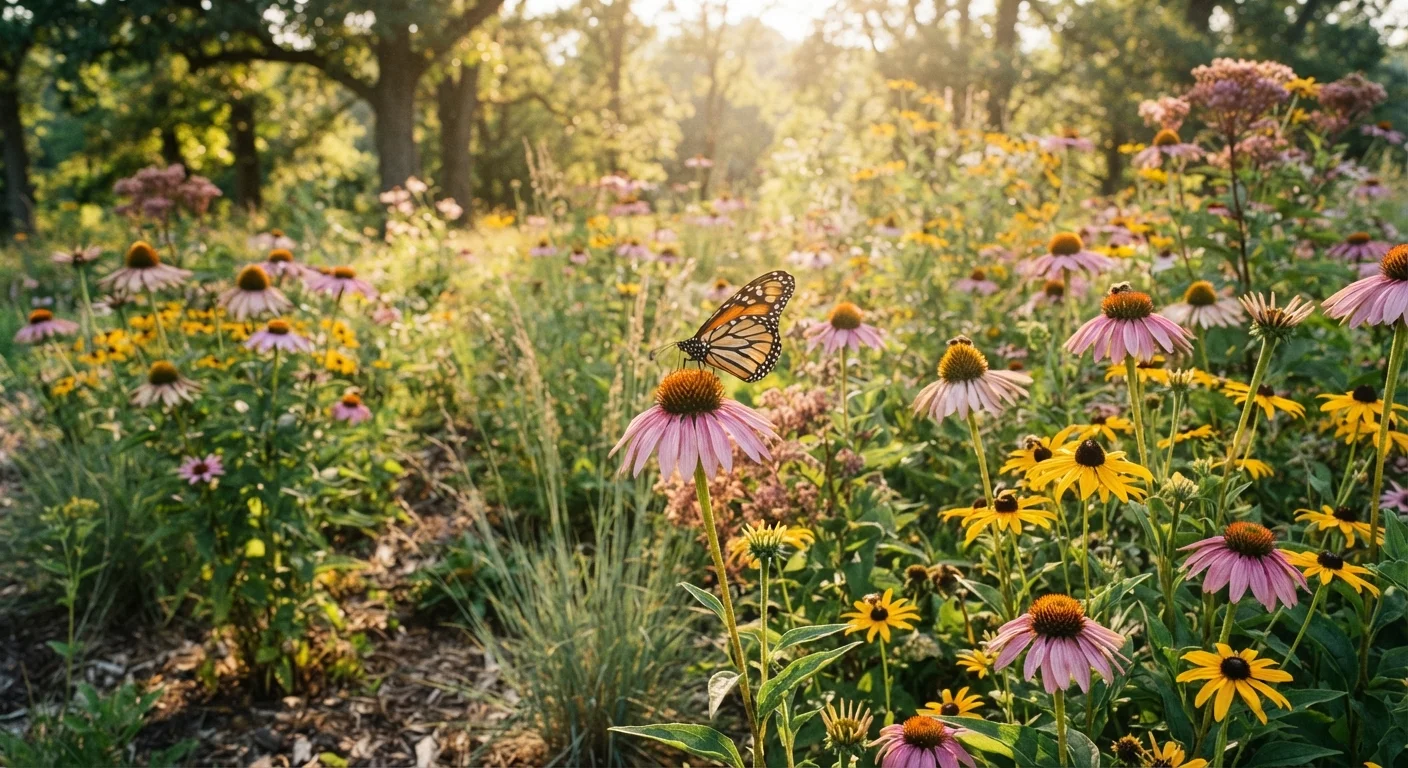
Photo credit: PrimeFaqs.com | Trending And Accurate Content
In this article
What makes a plant 'native,' why it matters for local ecosystems, and how native species can simplify your garden's care requirements.
Key Takeaways
- Native plants evolved alongside local wildlife, making them far more ecologically valuable than most ornamental imports.
- Because they're adapted to regional soils and rainfall, native plants generally need less watering, fertilizing, and pest control.
- Many native species support specialist pollinators and insects that cannot survive on non-native plant alternatives.
- Native plants help prevent soil erosion, filter stormwater runoff, and contribute to healthier local waterways.
- Even a small patch of native plantings can meaningfully improve habitat connectivity in suburban and urban environments.
What 'Native' Actually Means
The word native gets used loosely in garden centers and landscaping conversations, so it's worth pinning down exactly what ecologists mean by it. A plant is considered native to an area if it was present in that region before European colonization and arrived there through natural processes - not human introduction. These species weren't transplanted, escaped from cultivation, or spread accidentally through trade routes.
What makes this definition ecologically meaningful is time. Native plants have spent millennia developing relationships with local insects, birds, fungi, and soil microbes. Many of those relationships are highly specific. Some native bees, for instance, can only collect pollen from one genus of plant. Remove that plant genus from the landscape and the bee disappears with it - along with everything that depended on that bee.
Understanding native plants also means understanding that "native" isn't a single national category. A plant native to the coastal Southeast may be entirely out of place in the Rocky Mountain West, even if both regions are in the United States. Soil composition, rainfall patterns, freeze cycles, and biological communities all vary enormously across the country, and native plants are adapted to specific combinations of those conditions.
Why Ecologists Emphasize Native Species
Ecologists have grown louder about native plants for a straightforward reason: the loss of native habitat in suburban and agricultural landscapes has had cascading effects on wildlife populations that were once taken for granted.
~3,500
Native bee species in North America
According to the Xerces Society, North America supports roughly 3,500 native bee species, many of which depend on specific native plant genera for survival.
96%
Of terrestrial bird species that feed insects to nestlings
Research by entomologist Doug Tallamy indicates that approximately 96% of terrestrial bird species rely on insects - particularly caterpillars - to feed their young, linking bird survival directly to native plant availability.
40-60%
Reduction in water use with established native plantings
The EPA's WaterSense program and various cooperative extension services suggest that replacing turf with appropriate native plantings can reduce landscape water use by 40-60% in many U.S. regions.
Much of the conversation centers on insects. Research has documented significant declines in insect populations in many parts of North America, and habitat loss - including the replacement of native vegetation with lawns and ornamental non-natives - is considered a contributing factor. Insects underpin almost every other part of the food web. They pollinate plants, decompose organic matter, and are the primary food source for a large share of bird species, particularly during nesting season when high-protein caterpillars are essential for raising chicks.
Native plants are also better at preventing erosion, filtering runoff before it enters local waterways, and sequestering carbon in their root systems. Deep-rooted prairie grasses, for example, can send roots several feet into the ground, stabilizing soil and cycling nutrients in ways that turf grass and shallow-rooted ornamentals simply cannot match. Plant relationships like these are part of what makes thoughtful garden design so powerful.
Practical Benefits for Your Own Garden
The ecological case for native plants is compelling, but there are concrete, day-to-day benefits for gardeners too - particularly around reduced maintenance.
Plan for the Establishment Period
Native plants perform best once their root systems are developed, which typically takes one to two full growing seasons. During this window, water regularly during dry spells and keep competing weeds in check. Patience during establishment pays off in dramatically reduced maintenance once the plants have settled in.
Because native plants are adapted to your region's typical rainfall, many require little to no supplemental irrigation once they've established root systems after their first season or two. They've also evolved to thrive in local soil conditions, meaning you won't need to amend or fertilize as aggressively as you might with exotic species that expect different soil chemistry. This pairs naturally with what you learn when you understand what your garden soil is actually made of.
Native plants also tend to show greater resistance to regional pests and diseases. When insects do feed on them, native plant populations have evolved alongside those insects and typically tolerate moderate damage without collapsing. In contrast, non-native plants have no such co-evolved defenses and can become seriously stressed by insects they've never encountered.
From a design perspective, native species can be mixed across annual and perennial categories, giving you a layered, multi-season garden. Many are also stunning. Coneflowers, wild bergamot, goldenrod, river birch, and Virginia bluebells are all natives that have earned places in designed landscapes for purely aesthetic reasons.
Getting Started With Native Plants
Incorporating native plants doesn't require a complete garden overhaul. Starting with a single bed or border is enough to make a meaningful difference, and you can expand over time as you see how different species perform in your specific conditions.
The most important first step is researching which plants are actually native to your ecoregion - not just your state. Your local cooperative extension service, a regional native plant society, or the USDA PLANTS Database are reliable resources. Avoid sourcing solely from big-box garden centers, where "native" labeling can be inconsistent or applied to cultivated varieties with reduced ecological function.
When planning, think in layers: ground covers, mid-height perennials, taller grasses or shrubs, and trees if space allows. This structure mimics natural plant communities and provides habitat at multiple levels. A seasonal maintenance approach - including leaving stems and seed heads standing through winter for overwintering insects - is also worth factoring into your planning.
Even if you're working with a patio or compact yard, there's room for natives. Container-grown native sedges, asters, and pollinator-friendly species can contribute real habitat value. For strategies suited to smaller spaces, see our guide on keeping a small outdoor space functional through every season.
Frequently Asked Questions

Author
Home & Garden Editorial Team
Home & Garden Editorial Team is the collective byline for our editorial team and contributor network. Articles published under this byline or an editorial pen name are researched, written, and reviewed according to our editorial standards for clarity, consistency, and independence before publication.
View all articles →