
Defensive Driving: What It Actually Means on Modern Roads
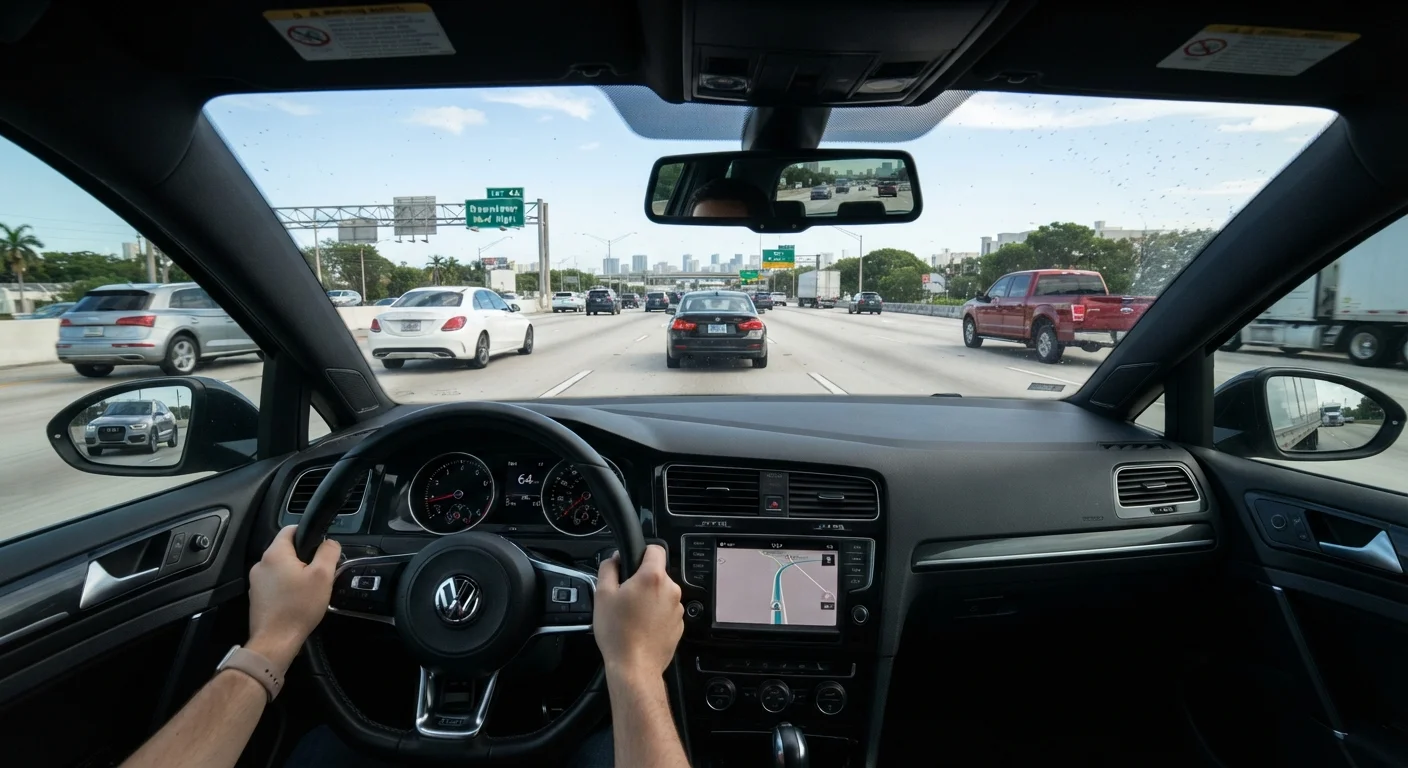
Photo credit: PrimeFaqs.com | Trending And Accurate Content
In this article
Defensive driving is more than slowing down. Explore the core principles that help drivers anticipate hazards and respond safely.
Key Takeaways
- Defensive driving means anticipating hazards before they develop, not just reacting to them.
- Maintaining adequate following distance is one of the highest-impact habits any driver can build.
- Attention management - minimizing distractions - is as important as vehicle control.
- Road environment, weather, and time of day all demand adjustments to your driving approach.
- Fatigue and overconfidence are two of the most underestimated threats to safe driving.
- Consistent habits, practiced deliberately, are what separate safe drivers from lucky ones.
What Defensive Driving Actually Means
Most drivers think of defensive driving as a speed-related concept - slow down and you're being safe. That's a narrow and incomplete picture. Defensive driving is an active mental approach: continuously scanning the road, anticipating what other drivers, pedestrians, and road conditions might do next, and positioning yourself to respond before a hazard becomes a crisis.
The core assumption behind defensive driving is that you cannot control other road users - only your own choices. That shift in perspective changes everything about how you plan each drive.
Following distance
The gap between your vehicle and the one ahead. A larger gap gives you more time and space to stop or maneuver if the car in front brakes suddenly.
Hazard perception
The ability to identify developing situations on the road - such as a car about to merge or a pedestrian stepping toward traffic - before they require an emergency response.
Scanning
Actively moving your eyes across the road environment - ahead, to the sides, and in mirrors - rather than focusing on a fixed point. Wider scanning gives earlier warning of hazards.
Reaction time
The time between perceiving a hazard and beginning to respond physically, such as pressing the brake. At speed, even a one-second delay translates into significant distance traveled.
Blind spot
An area around your vehicle that mirrors don't fully cover, typically beside and slightly behind the rear doors. Vehicles in this zone may not be visible without a physical head check.
Three-second rule
A method for estimating safe following distance: count three seconds between when the car ahead passes a fixed point and when your car reaches that same point. Increase the count in poor conditions.
The Core Principles in Practice
Defensive driving rests on a handful of principles that apply across every type of road and driving condition:
- Scan ahead, not just in front. Look 10-15 seconds down the road, not just at the bumper ahead of you. This gives you time to identify merging vehicles, road debris, or slowing traffic early.
- Assume errors will happen. Treat every intersection, lane change, and merge as a moment where something could go wrong - even when you have the right of way.
- Communicate your intentions clearly. Signal early, make eye contact with pedestrians when possible, and avoid lingering in other drivers' blind spots.
- Adjust to conditions. Speed limits reflect ideal conditions. Rain, fog, construction zones, and heavy traffic all warrant a reduction in speed and an increase in following distance.
Understanding how stopping distance works reinforces why these principles aren't optional - physics doesn't negotiate.
Managing Space, Speed, and Attention
Three variables define most of your safety margin on any road: the space around your vehicle, your speed, and where your attention is directed.
Space is your buffer. Following distance - often taught as the three-second rule - gives you time to react if the car ahead brakes suddenly. In adverse weather, that buffer should increase. Avoid clustering in groups of traffic when possible; open space around your vehicle gives you more options.
Speed isn't just about the number on the speedometer. It's about whether that speed is appropriate for visibility, road surface, traffic density, and your own alertness level. Speeding compresses your reaction window and dramatically increases the force of any impact.
Attention is the most finite resource. Distracted and impaired driving both degrade your ability to process what's happening around you, often without you realizing it. Defensive drivers treat phone use, eating, and lengthy conversations as genuine risks - because they are.
Use the 'commentary driving' technique
Narrate what you see as you drive - out loud or mentally. For example: 'Car merging left, gap closing, easing off the accelerator.' This technique, used in professional driver training, forces active scanning and helps break autopilot habits. Even a few minutes of commentary driving per trip builds stronger hazard-perception instincts over time.
Defensive Driving in Different Environments
The principles stay constant, but their application shifts depending on where you're driving.
City and urban roads demand frequent attention to pedestrians, cyclists, and vehicles entering from side streets. Intersections are high-risk zones - look both ways even on a green light before proceeding.
Highway driving introduces sustained high speeds, merging traffic, and longer gaps between exits. Fatigue becomes a greater factor; mirror checks and lane discipline matter more.
Night driving reduces your ability to spot hazards early. Night-specific risks - including impaired depth perception and increased pedestrian danger - require additional following distance and more deliberate scanning.
Adverse weather of any kind - rain, ice, fog, or glare - calls for reduced speed, increased following distance, and gentler inputs on the steering wheel and brakes.
Common Mistakes That Undermine Safe Driving
Even well-intentioned drivers fall into habits that quietly erode their safety margin:
- Overconfidence in familiar routes. Familiarity breeds inattention. Driving the same road every day doesn't make it predictable - conditions, traffic, and road users change constantly.
- Driving while fatigued. Drowsiness slows reaction time and impairs judgment in ways that can mirror alcohol impairment. Recognizing fatigue warning signs before they affect your driving is a critical defensive skill.
- Tailgating. Following too closely is one of the most common factors in rear-end collisions. It removes your reaction time and puts pressure on the driver ahead.
- Failing to check blind spots. Mirrors show you a lot - but not everything. Physical head checks before lane changes remain necessary even with modern driver-assist technology.
Driver-assist technology has real limits
Features like automatic emergency braking, lane-keeping assist, and adaptive cruise control are useful tools - but they are not substitutes for attentive driving. These systems can fail to detect hazards in certain conditions, including heavy rain, snow, faded lane markings, or unusual road obstacles. Always remain actively engaged with the road, regardless of what your vehicle's technology can do.
Building the Habit Over Time
Defensive driving isn't a mode you switch on during bad weather and forget the rest of the time. It's a set of habits that become second nature through deliberate, consistent practice.
Start by picking one principle to focus on during each drive - perhaps following distance one week, scanning patterns the next. Small, specific attention helps the behavior embed itself before you layer in the next.
Building habits that genuinely stick means understanding why each behavior matters, not just performing it mechanically. New drivers especially benefit from pairing these habits early - see what real-world road safety experience teaches for a broader look at the learning curve ahead.
The goal isn't perfect driving - it's consistently reducing the risk that your choices add to any situation.
Frequently Asked Questions

Author
Automotive Basics Editorial Team
Automotive Basics Editorial Team is the collective byline for our editorial team and contributor network. Articles published under this byline or an editorial pen name are researched, written, and reviewed according to our editorial standards for clarity, consistency, and independence before publication.
View all articles →