
The Science Behind Stopping Distance (And Why Speed Changes Everything)
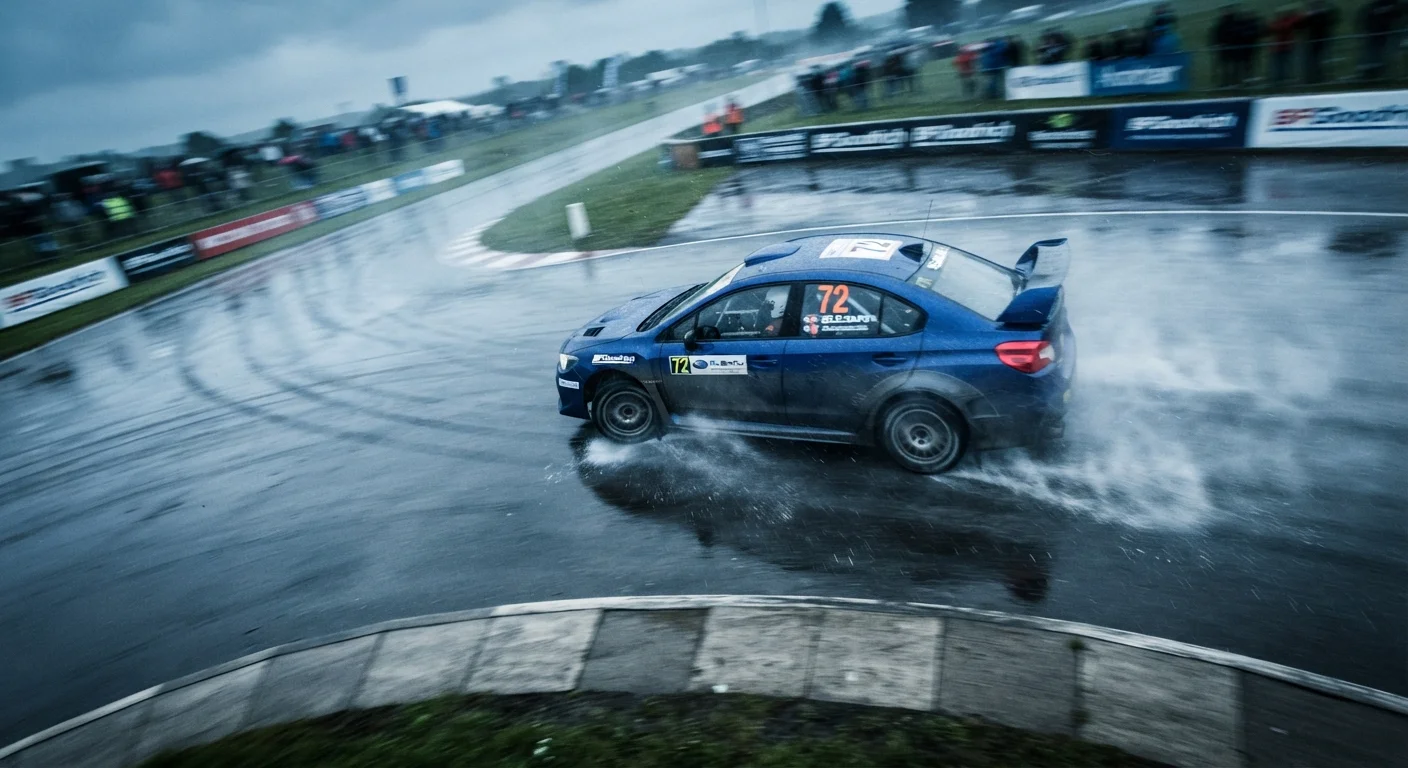
Photo credit: PrimeFaqs.com | Trending And Accurate Content
In this article
Learn how vehicle speed, road surface, and reaction time combine to determine how far your car travels before coming to a full stop.
Key Takeaways
- Stopping distance combines reaction distance and braking distance - both increase with speed.
- Doubling your speed quadruples the braking distance required, due to the physics of kinetic energy.
- Reaction time alone accounts for significant travel distance before braking even begins.
- Road surface, tire condition, and weather dramatically affect how quickly a vehicle can stop.
- Maintaining adequate following distance is your most practical defense against rear-end collisions.
Two Distances, One Outcome
Every time you stop your car, two distinct distances combine to determine how far you travel before coming to rest. The first is reaction distance - the ground your vehicle covers while your brain processes a hazard and your foot moves to the brake pedal. The second is braking distance - the additional ground covered while the brakes actually slow the vehicle to a stop.
Neither happens instantly. At 60 mph, a car travels approximately 88 feet per second. A typical alert driver takes roughly 1.5 seconds to perceive and react - meaning the car has already moved about 132 feet before the brake pedal is even touched. That single fact reframes how many drivers think about speed limits and following distance.
Understanding both components is foundational to safer driving. This concept is at the core of defensive driving principles that professionals teach to help drivers anticipate hazards before they become emergencies.
Why Speed Changes Everything: The Physics Explained
The relationship between speed and stopping distance is not linear - it is exponential. This comes down to kinetic energy, the energy an object possesses due to its motion. The formula for kinetic energy is ½ × mass × velocity². Because velocity is squared, even modest speed increases produce large jumps in the energy your brakes must absorb.
4×
Braking distance increase when speed doubles
Because kinetic energy scales with the square of velocity, doubling speed quadruples the braking distance required on the same road surface.
132 ft
Distance traveled before braking begins at 60 mph
At 60 mph with a 1.5-second reaction time, a vehicle covers approximately 132 feet before the brake pedal is engaged.
30-50%
Reduction in tire-road grip on wet pavement
Wet road surfaces substantially reduce friction, extending stopping distances well beyond what drivers typically expect in light rain.
Consider a practical example: a vehicle traveling at 30 mph requires a certain braking distance on dry pavement. At 60 mph - double the speed - the braking distance is roughly four times longer, not twice. At 90 mph, it is nine times longer. This mathematical reality is why the difference between 35 mph and 45 mph in a school zone is not a minor margin - it is the difference between stopping safely and causing serious harm.
Speed also amplifies every other factor that affects stopping. Worn tires, a slightly wet road, or a distracted moment all carry heavier consequences at higher speeds because the kinetic energy the brakes must overcome is that much greater.
Road Surface and Tire Condition: The Friction Factor
Brakes work by creating friction between brake components and wheel rotors, but the ultimate limiting factor is the friction between your tires and the road surface. Regardless of how powerful your brakes are, your car cannot stop faster than the tire-road grip allows.
Dry asphalt offers the highest friction. Wet pavement can reduce that grip by 30-50%, effectively extending stopping distances accordingly. Packed snow and black ice reduce friction further still, with ice offering only a fraction of dry-road traction. Drivers heading into winter conditions should read up on adjusting driving habits for each weather type - the difference in required stopping distance is not trivial.
Tire condition matters equally. Tread depth determines how effectively a tire channels water away from the contact patch. Bald or underinflated tires dramatically reduce grip, especially in wet conditions. Even new tires lose traction in cold temperatures if they are not designed for winter use.
Check Your Tires Before Winter Arrives
Insert a quarter into a tire tread groove with Washington's head pointing down. If the top of his head is visible, tread depth may be insufficient for safe wet- or snow-weather braking. Cold temperatures also reduce tire pressure - check inflation monthly and after significant temperature drops.
Reaction Time: The Human Variable
Reaction time is the element of stopping distance most directly under your control - or susceptible to degradation. The typical 1.5-second figure assumes an alert, undistracted driver who is actively scanning the road. Fatigue, distraction, or impairment can push that number to 2.5 seconds or longer.
At 60 mph, that extra second of delayed reaction adds another 88 feet to your total stopping distance before braking even begins. Over the course of a drive, being distracted for even a few seconds at a time compounds risk significantly.
Following distance is the practical buffer that absorbs reaction time. The commonly cited three-second rule - counting the gap between your front bumper and the vehicle ahead - is designed to provide enough time for the average driver to react and begin braking before reaching the point where the car ahead stopped. For a deeper look at why tailgating eliminates that margin entirely, see why following too closely is more dangerous than it appears.
Putting the Knowledge to Work
Understanding stopping distance intellectually is useful. Adjusting your actual habits because of it is what keeps you safer. Three practical shifts make the biggest difference:
- Increase following distance proactively. Three seconds is a minimum for dry, ideal conditions. Wet roads, nighttime driving, or heavy vehicles ahead warrant four to five seconds or more.
- Reduce speed before curves and intersections. Because braking distance grows exponentially with speed, entering a corner or intersection 10 mph slower pays off disproportionately in available stopping room.
- Inspect tires regularly. Check tread depth and inflation monthly. The contact patch between your tires and road is roughly the size of your palm - keeping it in good condition is non-negotiable.
These habits connect directly to the broader routines covered in building safer driving habits that actually stick. Stopping distance is physics - but your margin of safety is a choice.
“Speed is the single biggest factor in both crash frequency and crash severity. The physics are unforgiving - a small increase in speed produces a disproportionate increase in the energy that must be absorbed in a collision.”
— National Highway Traffic Safety Administration, U.S. Federal Road Safety Agency
Frequently Asked Questions

Author
Automotive Basics Editorial Team
Automotive Basics Editorial Team is the collective byline for our editorial team and contributor network. Articles published under this byline or an editorial pen name are researched, written, and reviewed according to our editorial standards for clarity, consistency, and independence before publication.
View all articles →