
Trip Budget Foundations: What Every Traveler Should Account For
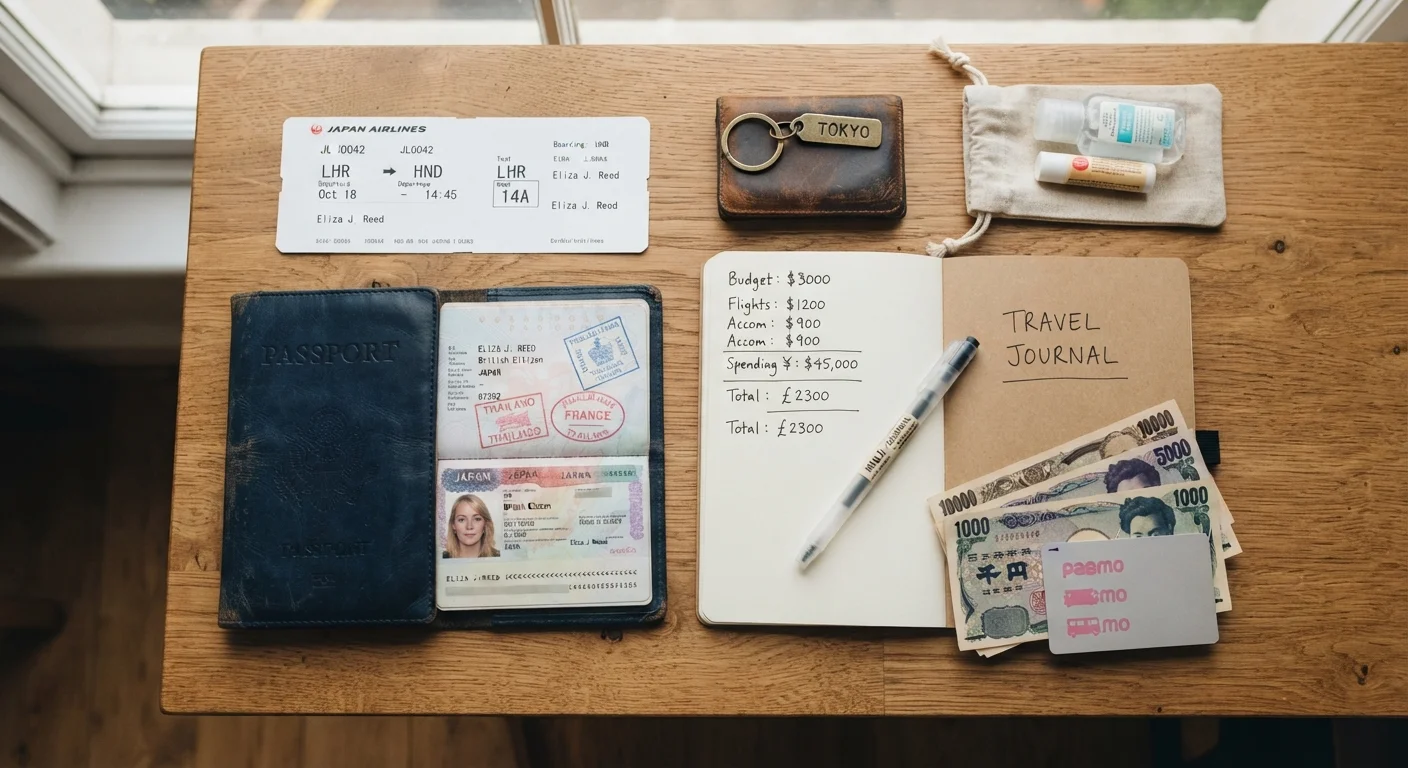
Photo credit: PrimeFaqs.com | Trending And Accurate Content
In this article
From flights to daily spending money, here's a clear breakdown of every cost category to consider when budgeting for a trip.
Why a Trip Budget Is Different From Your Everyday Budget
Planning a trip is exciting - and it's also one of the fastest ways to overspend without realizing it. Unlike your regular monthly expenses, travel spending is compressed into a short window, packed with one-time costs that don't fit neatly into everyday categories. That's why a trip deserves its own dedicated budget, built from scratch before you book anything.
If you've never put together a personal budget before, the step-by-step starting point for building a personal budget is worth reviewing first - the fundamentals carry over. But travel introduces a unique mix of fixed and variable expenses that requires its own framework. Fixed costs like flights and lodging are booked in advance; variable costs like meals and activities fluctuate daily based on your choices on the ground.
Building a realistic trip budget means accounting for both - and leaving room for the spending categories most travelers forget entirely.
The Core Cost Categories Every Trip Budget Needs
Think of your trip budget in layers. Start with the big, non-negotiable anchors, then work outward to the smaller costs that quietly add up.
Transportation
This is usually the largest single line item. For flights, factor in the base fare plus any checked bag fees, seat selection charges, and airport transfer costs at both ends. If you're driving, account for fuel, tolls, and potential overnight stops. The real cost comparison between road trips and flying goes deeper on how to weigh these trade-offs for domestic trips.
Lodging
Total up every night - don't rely on a nightly rate alone. Add taxes and resort fees, which can add 15-25% to a hotel's advertised price depending on the destination. If you're splitting accommodations across cities, budget each segment separately.
Food and Drink
Meals are highly variable. A helpful approach: estimate a daily food budget based on your destination's cost of living and multiply by the number of days. Account separately for one or two higher-cost dining experiences if those are part of the plan.
Activities and Attractions
Admission fees, tours, excursions, and entertainment can easily rival your food budget. List the experiences you know you want, look up their current costs, and add a buffer for spontaneous options.
Travel Insurance
Often skipped, rarely regretted. Travel insurance can cover trip cancellation, medical emergencies abroad, and lost baggage - but what it covers (and doesn't) matters enormously. Review what travel insurance actually covers and where the gaps are before purchasing a policy.
Verify Entry Requirements Early
Visa requirements, entry fees, and health documentation rules change. Always check the official U.S. Department of State country information pages and your destination country's official government sources before finalizing plans. Don't rely on travel blogs or booking platforms for the most current entry rules.
Miscellaneous and Emergency Buffer
Build in 10-15% of your total estimated budget as a cushion. Unexpected costs - a pharmacy run, a last-minute taxi, a broken zipper replaced at the airport - are almost inevitable. This buffer keeps them from derailing the trip.
Costs Travelers Commonly Forget
Even experienced travelers leave certain expenses off their initial budget. Before you finalize your numbers, check against this list:
- Passport or visa fees - if your destination requires a visa, factor in both the application fee and any required photos or mailing costs.
- Vaccinations or travel health prep - some destinations recommend or require specific immunizations. Consult your healthcare provider and check official government travel health resources well in advance.
- Currency exchange fees - international ATM withdrawals and card foreign transaction fees add up quickly. Understanding your card's fee structure before departure can save real money.
- Home costs while away - pet boarding, house-sitting, mail holds, or paused subscriptions are easy to overlook but belong in the total trip cost picture. For a broader view of household budget categories that continue even while you travel, see the full list of budget categories every household should account for.
- Souvenirs and shopping - set a realistic ceiling; this category has a way of expanding in the moment.
- Tips and gratuities - customs vary widely by destination; research local tipping norms before you go.
Once your budget is set, tracking it in real time is the next challenge. Smarter ways to track your trip budget while traveling offers practical approaches that won't slow you down. For choosing a tracking method that suits your style, comparing pen-and-paper, spreadsheet, and app-based tracking can help you decide what will actually stick.

Author
Travel & Trips Editorial Team
Travel & Trips Editorial Team is the collective byline for our editorial team and contributor network. Articles published under this byline or an editorial pen name are researched, written, and reviewed according to our editorial standards for clarity, consistency, and independence before publication.
View all articles →