
Personal Budget From Scratch: A Step-by-Step Starting Point
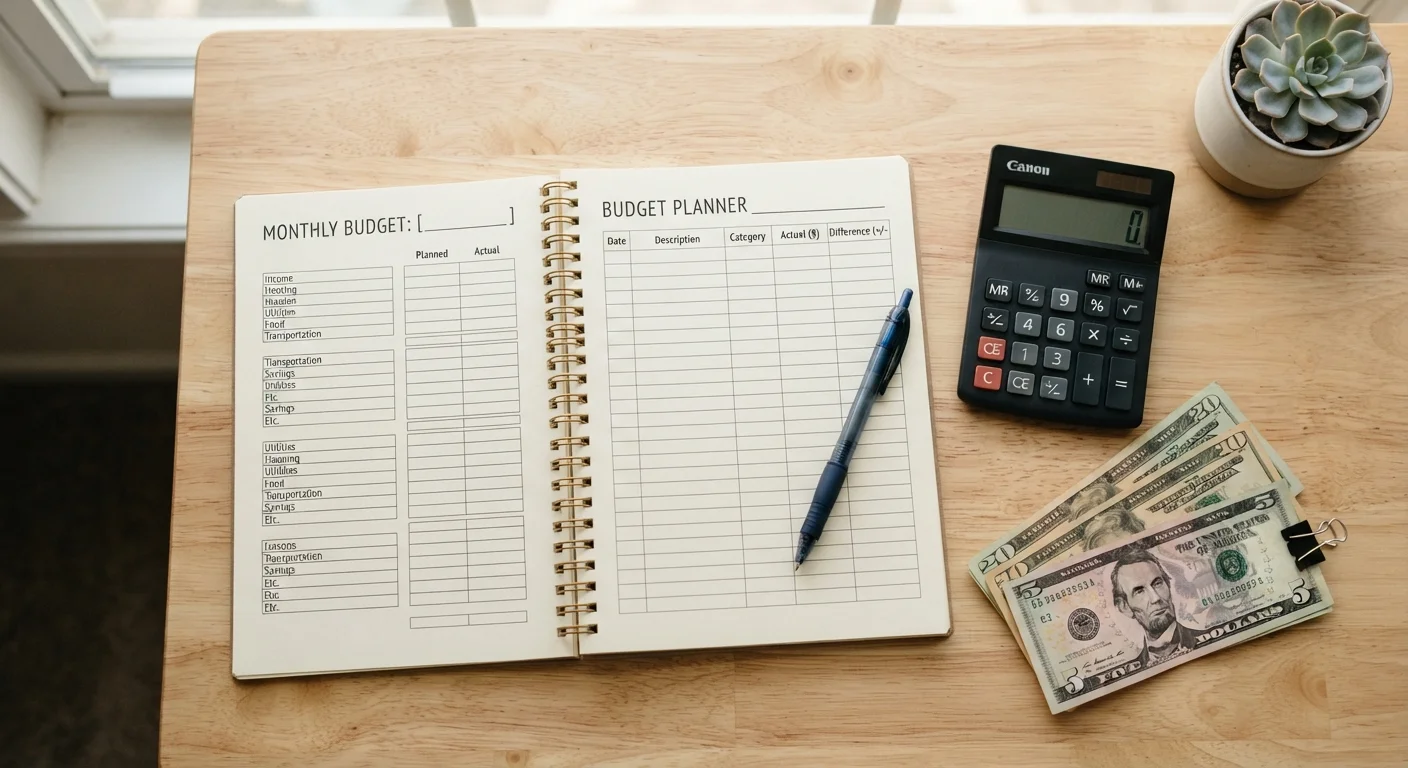
Photo credit: PrimeFaqs.com | Trending And Accurate Content
In this article
Never made a budget before? This guided walkthrough covers how to gather your numbers, categorize spending, and set realistic limits for each pay period.
Key Takeaways
- A personal budget starts with knowing your exact take-home income after taxes and deductions.
- Separating expenses into fixed and variable categories makes it easier to find room to adjust.
- Spending limits should reflect your real habits first, then be adjusted toward your goals.
- Regular weekly or monthly reviews catch problems before they compound.
- Budgeting tools range from a simple notebook to a spreadsheet - the best one is whichever you'll actually use.
Why a Budget Matters Before You Start
A budget is not a punishment - it is a map. Without one, spending decisions happen reactively, and it becomes difficult to know whether you can afford a car repair, a vacation, or an unexpected medical bill. With one, you have a clear picture of where money comes from and where it goes, which makes every financial choice more deliberate.
The goal of your first budget is not perfection. It is awareness. Many people discover, after their first honest accounting, that small recurring expenses - subscriptions, convenience purchases, dining out - add up to hundreds of dollars they never consciously allocated. That awareness alone is actionable. See the complete picture of personal budgeting for a broader look at how budgeting evolves over time.
Net income
The money you actually receive after taxes, insurance, and other payroll deductions are removed from your gross pay. This is what you have available to spend and save.
Fixed expense
A recurring cost that stays the same each payment period, such as rent, a car loan payment, or a set monthly subscription.
Variable expense
A cost that changes from month to month based on your choices and circumstances, such as groceries, gas, or dining out.
Discretionary spending
Money spent on non-essential wants - entertainment, hobbies, eating out - as opposed to necessities. This is often the first area reviewed when cutting costs.
Irregular expense
A predictable but infrequent cost that doesn't appear every month, such as annual insurance premiums or holiday gifts. Planning for these prevents budget surprises.
50/30/20 guideline
A general budgeting framework suggesting roughly 50% of net income for needs, 30% for wants, and 20% for savings and debt repayment. It is a starting benchmark, not a strict rule.
Step 1: Gather Your Income Numbers
Begin with what comes in. Pull up your last two or three pay stubs and identify your net income - the amount actually deposited after taxes, health insurance premiums, and any retirement contributions are deducted. This is the only number that matters for budgeting purposes; gross income overstates what you have available to spend.
If you have a single salaried job, this step is straightforward. If your income varies - due to hourly shifts, freelance work, tips, or side income - use your most conservative realistic monthly estimate as the foundation. List every reliable source: wages, alimony, rental income, or regular side work. Add them together for a single monthly income figure.
Use Two to Three Months of Statements
A single month of spending data can be misleading if it contained an unusual expense. Averaging two or three months gives a more accurate baseline for setting realistic category limits. Most banks and credit card issuers let you download statements as PDFs or CSVs going back at least 90 days.
Step 2: List and Categorize Your Expenses
Next, reconstruct where your money actually went last month. Pull bank statements, credit card statements, and any cash spending you can recall. Sort every expense into two buckets:
- Fixed expenses - amounts that stay the same each period: rent or mortgage, car payment, insurance premiums, minimum debt payments, and subscriptions with set fees.
- Variable expenses - amounts that fluctuate: groceries, gas, dining out, clothing, entertainment, and personal care.
A third, often-overlooked category is irregular expenses - costs that don't appear every month but are predictable: annual insurance renewals, car registration, holiday gifts, and home maintenance. Dividing their annual total by 12 gives you a monthly amount to set aside. The sinking funds approach is a practical way to handle these. For a comprehensive list of categories to include, see budget categories every household should account for.
Step 3: Set Spending Limits for Each Category
Now compare your total expenses to your net income. Subtract expenses from income. A positive result means you have room to build savings or pay down debt. A negative result means you are spending more than you earn - a deficit that the budget will help you address.
Assign a specific dollar limit to each category. Start with your fixed expenses since those amounts are already set. Then work through your variable categories, using last month's actual spending as your starting point and adjusting toward your goals. If groceries cost $480 last month and your income is tight, a target of $420 is realistic; cutting to $200 overnight rarely sticks.
A widely referenced starting framework is the 50/30/20 guideline - roughly 50% of net income to needs, 30% to wants, and 20% to savings and debt repayment. Treat it as a rough benchmark, not a rigid rule; your situation may require different proportions. If you want a method that assigns every dollar a specific purpose, the zero-based budgeting approach takes this a step further. For ideas on keeping food costs manageable within your plan, eating well on any budget offers practical guidance.
Don't Skip the Irregular Expenses
One of the most common reasons first-time budgets fail is that irregular costs - car registration, medical co-pays, holiday gifts - aren't accounted for. These feel like surprises, but most are entirely predictable. Estimate their annual total, divide by 12, and add that monthly amount as its own budget line from the start.
Step 4: Track, Review, and Adjust
A budget written once and never checked is little more than a wishlist. The tracking habit is what converts a plan into results. Log expenses as they happen - or at minimum, reconcile your spending once a week against your category limits. Options range from a handwritten ledger to a spreadsheet to a dedicated app. The tradeoffs of each tracking method are worth reviewing so you choose one you'll actually maintain.
At the end of each month, compare what you planned to what you actually spent in each category. Categories where you consistently overshoot may need a more realistic limit - or a behavioral change. Categories where you consistently underspend can fund savings faster. If your first budget falls apart early, that's normal and fixable; understanding why budgets break down in the first week can help you course-correct quickly. Building savings and managing debt go hand in hand with budgeting - the Saving & Debt hub is a useful next stop once your budget foundation is in place.
This article is for general informational and educational purposes only and does not constitute personalized financial advice. Consult a qualified financial professional for guidance specific to your circumstances.
Frequently Asked Questions

Author
Personal Finance Editorial Team
Personal Finance Editorial Team is the collective byline for our editorial team and contributor network. Articles published under this byline or an editorial pen name are researched, written, and reviewed according to our editorial standards for clarity, consistency, and independence before publication.
View all articles →