
Zero-Based Budgeting: Giving Every Dollar a Job
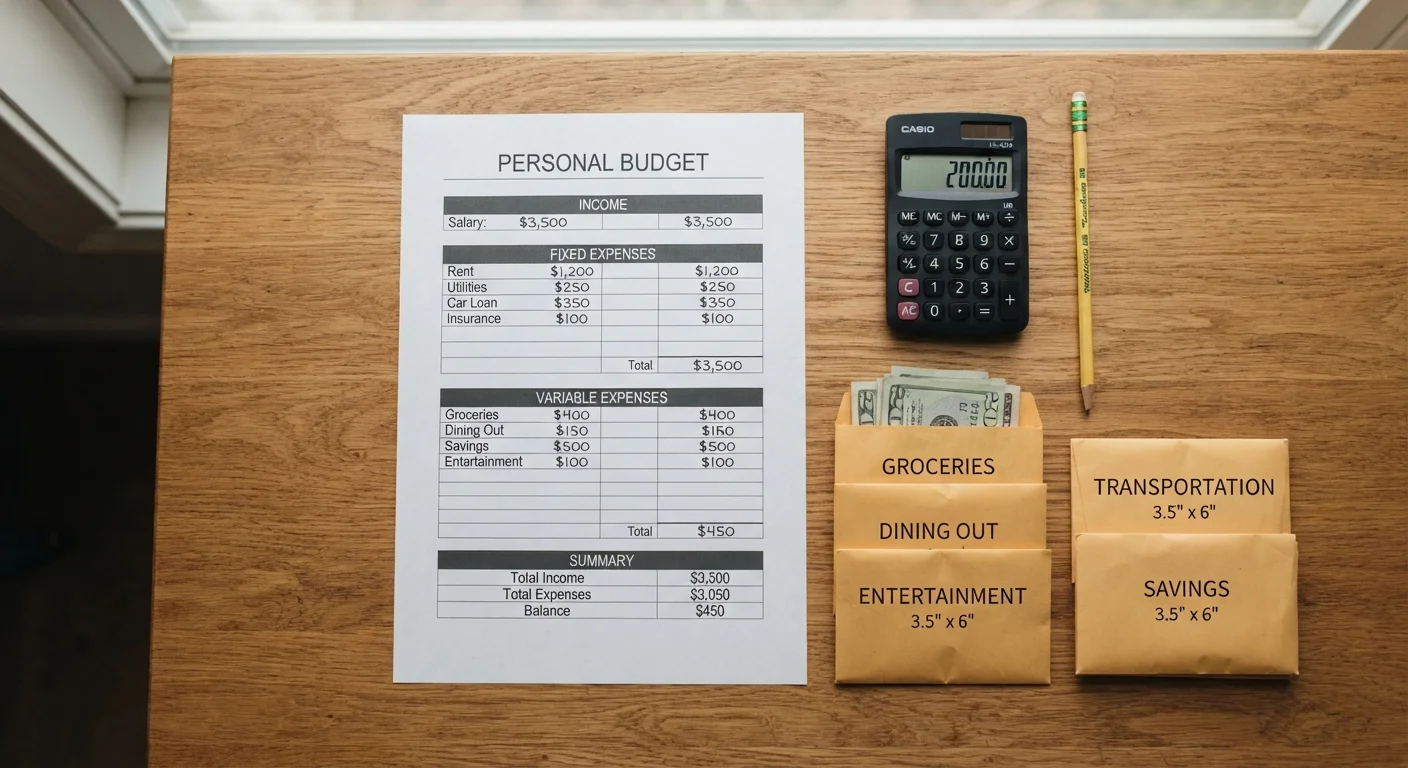
Photo credit: PrimeFaqs.com | Trending And Accurate Content
In this article
Zero-based budgeting assigns every dollar of income a purpose before the month begins. Learn how this method works and whether it fits your financial life.
Key Takeaways
- Every dollar of income is assigned a category before the month starts, leaving no unplanned money.
- Income minus all allocations should equal zero - surplus goes to savings or debt, not disappears.
- Zero-based budgeting works best for people with predictable monthly income.
- It requires more time upfront but can reveal hidden spending patterns.
- You can adapt the method with a spreadsheet, paper, or budgeting apps.
How Zero-Based Budgeting Works
The core mechanic is straightforward: start with your total monthly take-home pay, then list every category where money will go - rent, groceries, utilities, insurance, savings contributions, debt payments, and discretionary spending. Keep allocating until the remaining balance hits exactly zero.
That zero doesn't mean your bank account is empty. It means every dollar has been accounted for. If you earn $4,000 after taxes, your categories must add up to $4,000. Any leftover amount gets assigned somewhere - an emergency fund, a vacation savings account, or extra debt repayment - rather than quietly drifting into unplanned spending.
Before building your first zero-based budget, it helps to have a clear picture of your existing spending. The step-by-step guide to building a personal budget walks through gathering income and expense data, which forms the foundation for any budgeting method, including zero-based.
Start With Last Month's Bank Statement
Before building your first zero-based budget, pull 30 days of actual transactions. Seeing exactly where money went - rather than estimating - makes your initial category allocations far more realistic. Most people discover at least one spending pattern they didn't expect.
Building Your Zero-Based Budget Step by Step
Follow this sequence each month:
- Calculate your net income. Use take-home pay - what actually lands in your account after taxes and payroll deductions. For key budgeting terms like net income vs. gross income, consult a plain-language glossary.
- List fixed expenses first. Rent or mortgage, car payment, insurance premiums, and minimum debt payments don't change month to month - lock those in.
- Estimate variable necessities. Groceries, gas, utilities, and medical costs fluctuate. Use a realistic average based on recent months.
- Allocate savings and debt goals. Treat savings as a non-negotiable expense. Assign a dollar amount before touching discretionary categories.
- Fill in discretionary spending. Dining, entertainment, clothing, and subscriptions come last. This is where you make deliberate trade-offs.
- Zero out the budget. If income minus all categories leaves a surplus, assign it. If you're over budget, trim discretionary lines until you reach zero.
For a comprehensive list of categories to consider, see the budget categories every household should account for.
~1 in 3
Americans who report following a budget
Surveys by the National Foundation for Credit Counseling have consistently found that fewer than half of U.S. adults maintain a detailed household budget.
$1,000+
Median monthly discretionary spending per household
Bureau of Labor Statistics Consumer Expenditure data shows significant discretionary spending that intentional budgeting methods like ZBB are designed to make visible.
Who Benefits Most - and Where It Gets Tricky
Zero-based budgeting works particularly well for people with a consistent monthly paycheck who want greater visibility into where their money actually goes. It shines when you suspect money is leaking - spending that happens without a clear reason - because it forces you to justify every allocation.
It's also effective during financial transitions: paying off debt aggressively, saving for a down payment, or recovering from a financial setback. The intentionality baked into the method creates accountability that looser approaches lack.
However, ZBB requires genuine time investment each month. If you find detailed tracking discouraging rather than motivating, a simpler framework may be a better fit. People with highly irregular income - freelancers, seasonal workers, those with commission-heavy pay - often find the method harder to apply, though not impossible with some adaptation.
If you're skeptical that budgeting requires too much sacrifice, the common budgeting myths that keep people from starting addresses those concerns directly with evidence-based perspective.
Making It Sustainable Over Time
The biggest risk with zero-based budgeting isn't that the method doesn't work - it's abandoning it after the first difficult month. A few practices help maintain consistency:
- Schedule a monthly budget date. Set aside 30-45 minutes before each new month begins to build next month's plan. Treating it as an appointment reduces avoidance.
- Build in a buffer category. Label it "miscellaneous" or "buffer" and allocate a modest amount - even $50-$100 - to catch irregular small expenses without derailing the whole plan.
- Review mid-month. A quick check halfway through helps you catch overspending in a category before it grows into a problem.
- Adjust without guilt. Life doesn't follow a budget template. A car repair or medical bill will require reallocating funds. Moving money between categories is the system working, not failing.
Zero-based budgeting is one method within a broader personal finance toolkit. For a complete overview of how it fits alongside other approaches, The Complete Picture: Personal Budgeting From First Paycheck to Financial Stability provides end-to-end context.
This article is for general informational and educational purposes only. It does not constitute personalized financial advice. Readers should consider consulting a qualified financial professional for guidance tailored to their individual circumstances.
Frequently Asked Questions

Author
Personal Finance Editorial Team
Personal Finance Editorial Team is the collective byline for our editorial team and contributor network. Articles published under this byline or an editorial pen name are researched, written, and reviewed according to our editorial standards for clarity, consistency, and independence before publication.
View all articles →