
Eating Well on Any Budget: Strategies That Actually Hold Up
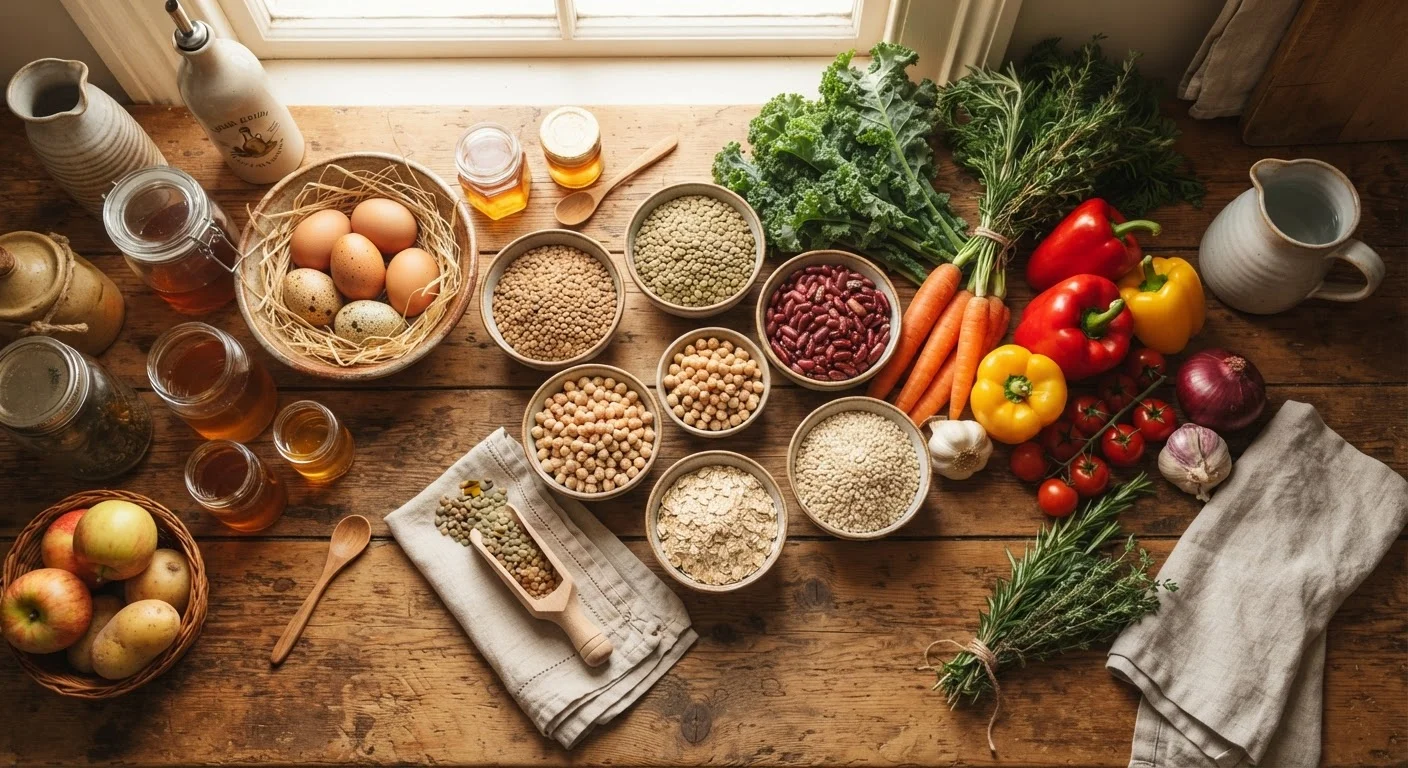
Photo credit: PrimeFaqs.com | Trending And Accurate Content
In this article
Nutritious eating doesn't require expensive superfoods. These practical approaches help stretch your grocery dollar without sacrificing quality.
Key Takeaways
- Whole foods like dried legumes, oats, and frozen vegetables deliver strong nutrition at low cost.
- Planning meals before shopping significantly reduces waste and impulse spending.
- Protein doesn't have to mean expensive meat - eggs, canned fish, and beans are nutrient-dense alternatives.
- Store brands and seasonal produce offer comparable quality to premium options at lower prices.
- Batch cooking stretches ingredients across multiple meals, saving both money and time.
Why Budget Eating Gets a Bad Reputation
The idea that eating well costs more is understandable - premium protein bars, trendy superfoods, and specialty health products routinely carry steep price tags. But the link between high spending and good nutrition is largely a marketing illusion. Decades of nutrition research consistently show that the most nutrient-dense foods available - legumes, whole grains, eggs, frozen vegetables, and canned fish - are also among the most affordable items in any grocery store.
The real cost driver in most grocery budgets isn't food quality; it's waste and convenience. The USDA has estimated that American households discard between 30 and 40 percent of the food supply, representing significant financial loss at the individual level. Addressing that waste alone can free up meaningful room in any food budget without changing a single nutritional choice.
Understanding this reframes the challenge. Budget eating isn't about sacrificing nutrition - it's about choosing strategically. See our guide to building a balanced plate for a foundation on what nutritional completeness actually looks like before you optimize your spending around it.
Core Practices for Eating Well on Less
These approaches are grounded in both nutrition science and practical household economics. They work across income levels and don't require specialized knowledge or equipment.
Build meals around legumes, whole grains, and eggs as your primary protein sources.
Dried beans, lentils, chickpeas, and eggs provide high-quality protein, fiber, and micronutrients at a fraction of the per-serving cost of most meats. Rotating these foods as the centerpiece of meals - rather than a side - dramatically stretches the grocery dollar without shortchanging nutrition.
Choose frozen and canned vegetables over passing on produce entirely.
Frozen vegetables are harvested and flash-frozen at peak ripeness, which preserves most of their vitamins and minerals. They carry no spoilage risk and cost significantly less than fresh out-of-season produce. Canned vegetables (particularly low-sodium varieties) offer similar advantages. The nutritional gap between fresh and frozen is far smaller than most consumers assume.
Plan meals for the week before setting foot in a store.
Unplanned shopping is the primary driver of food waste and impulse purchases. A simple weekly meal framework - even a rough sketch of five dinners and basic breakfasts - creates a focused shopping list that limits over-buying. It also allows deliberate use of overlapping ingredients across multiple meals, reducing both cost and waste. Our weekly meal planning framework walks through how to build this habit.
Buy store brands for pantry staples without compromising quality.
For shelf-stable items - oats, canned beans, pasta, rice, frozen vegetables, and cooking oils - store-brand products are manufactured to the same food safety and quality standards as national brands. The difference is marketing spend, not contents. Switching consistently on pantry staples can reduce grocery bills noticeably over time.
Cook in larger batches and repurpose leftovers intentionally.
Batch cooking reduces the per-meal cost of labor-intensive ingredients and minimizes the temptation to rely on expensive convenience foods or takeout on busy days. Intentionally repurposing leftovers - rather than letting them sit until discarded - closes the gap between planned and actual food waste.
Prioritize seasonal and locally available produce when buying fresh.
Fresh produce prices are heavily influenced by transportation distance and seasonal supply. Buying what's in season locally reduces cost and often improves flavor and nutritional freshness. Farmers markets, community-supported agriculture (CSA) boxes, and ethnic grocery stores frequently offer seasonal produce at lower prices than large supermarket chains.
Quick Actions You Can Take This Week
Shifting grocery habits doesn't require an overhaul. A few targeted adjustments this week can reduce your spending while maintaining - or improving - nutritional quality.
30-40%
U.S. food supply discarded by households
According to USDA estimates, American households waste between 30 and 40 percent of the food supply, representing a major source of avoidable grocery spending.
~$1,500
Average annual household food waste cost
The Natural Resources Defense Council has estimated that the average American family of four loses approximately $1,500 per year to discarded food.
90%+
Vitamin C retained in flash-frozen vegetables
Research published in nutritional science literature has shown that properly frozen vegetables retain the vast majority of their vitamin content, comparable to fresh produce consumed within days of harvest.
This article is for general informational and educational purposes only and does not constitute medical, dietary, or financial advice. Consult a qualified healthcare professional or registered dietitian for guidance tailored to your individual health needs.

Author
Health & Wellness Editorial Team
Health & Wellness Editorial Team is the collective byline for our editorial team and contributor network. Articles published under this byline or an editorial pen name are researched, written, and reviewed according to our editorial standards for clarity, consistency, and independence before publication.
View all articles →