
Why Travelers Overpay at the Airport-and How to Avoid It
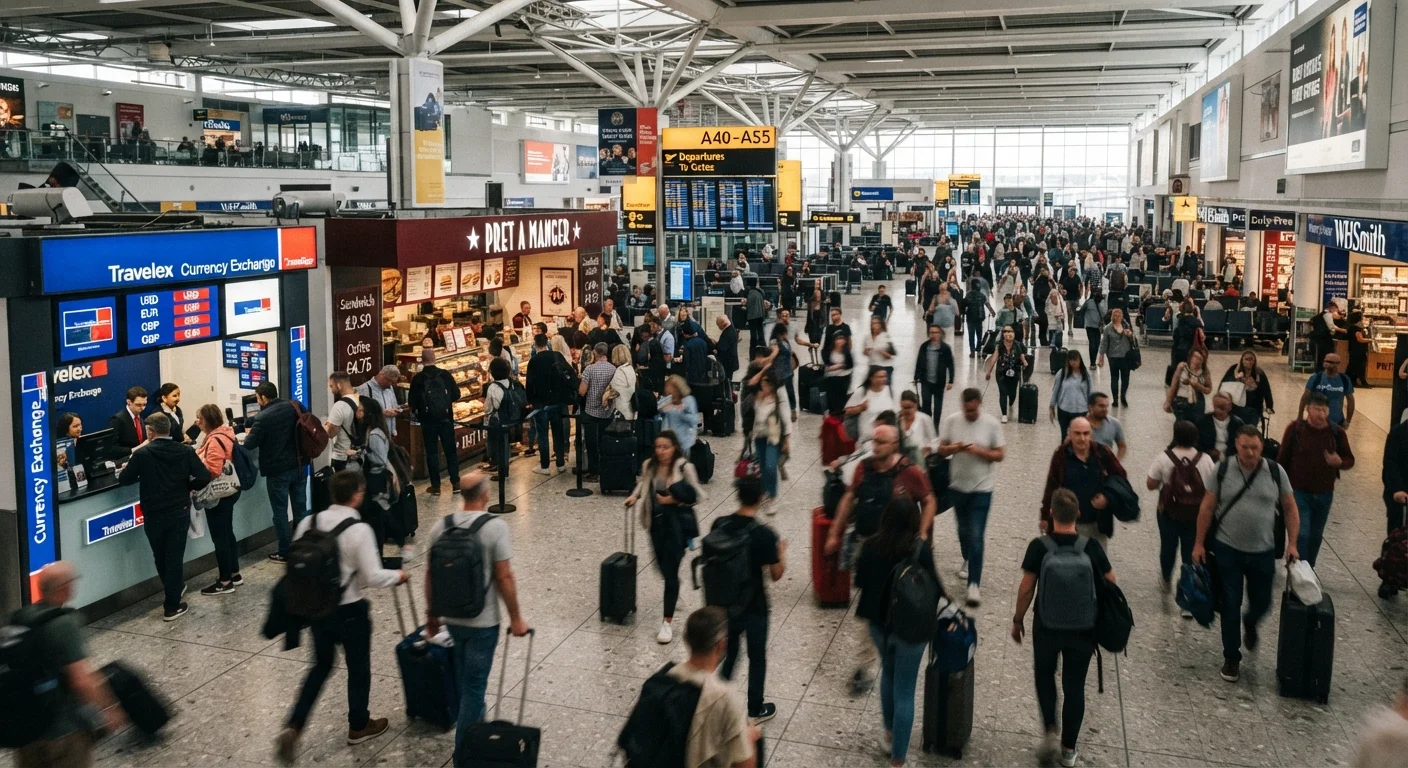
Photo credit: PrimeFaqs.com | Trending And Accurate Content
In this article
Common airport money traps—currency kiosks, gate-area meals, last-minute bags—and the habits that help travelers sidestep them.
Key Takeaways
- Airport currency kiosks routinely charge margins far above bank or ATM rates.
- Gate-area food prices can run 30-50% higher than comparable options outside security.
- Checked and carry-on bag fees added at the airport are almost always more expensive than pre-purchased.
- A few minutes of pre-trip planning eliminates most common airport overspending.
- Travelers who arrive with local cash, snacks, and pre-paid bags rarely get caught by these traps.
Why Airports Are Designed to Make You Spend
Airports are, commercially speaking, retail environments engineered around a captive audience. Once you're through security, your options narrow dramatically - and vendors know it. Pricing in terminals reflects not just overhead costs but the simple fact that you have limited alternatives and often limited time to think clearly. The result: travelers routinely spend money on things they'd never pay for at home.
The good news is that airport overspending is almost entirely preventable. Most of the traps are predictable, and a solid pre-trip budget that accounts for transit costs will help you recognize the moments where you're about to make a costly snap decision. The mistakes below are the ones travelers make most consistently - and the fixes are straightforward.
~30-50%
Premium over street prices for gate-area food
Consumer travel surveys and airport retail analyses consistently show terminal food and beverage pricing running well above comparable off-airport options.
Up to 15%
Currency exchange margin at airport kiosks
Airport currency exchange operators frequently apply spreads and fees that can total 10-15% above interbank rates, compared to a few percent at bank ATMs abroad.
The Most Common Airport Money Traps
These six mistakes cover the vast majority of unnecessary airport spending. Each one follows the same basic pattern: convenience pressure plus limited information equals an expensive default choice.
Exchanging currency at an airport kiosk right before or after a flight.
Why it happens: It feels convenient and urgent - you're about to land in a new country and want cash in hand immediately.
Paying full price for meals and drinks in the gate area without exploring alternatives.
Why it happens: Once past security, travelers assume they're locked into terminal pricing with no other option.
Waiting until check-in or the gate to pay for checked or carry-on bags.
Why it happens: Travelers underestimate how much they're bringing, or simply forget to add bags when booking.
Using airport Wi-Fi without a backup plan and buying overpriced data roaming packages on the fly.
Why it happens: Travelers assume free airport Wi-Fi will cover all their connectivity needs, then scramble when it's slow or unavailable.
Paying for airport lounges at the door without checking existing card or membership access.
Why it happens: Travelers don't realize their travel credit card or frequent flyer membership may already include lounge access.
Accepting the first ground transportation option outside arrivals without comparing alternatives.
Why it happens: After a long flight, the closest taxi rank or shuttle booth feels like the obvious solution.
For a broader look at how spending decisions ripple across your whole trip, see our guide on tracking your trip budget while traveling.
Building Habits That Protect Your Travel Budget
The common thread running through every mistake above is the same: decisions made under time pressure with incomplete information almost always cost more. The antidote is simple preparation done before you ever reach the terminal.
The 48-Hour Rule for Airport Savings
Almost every airport overspending scenario can be prevented with decisions made at least 48 hours before departure. Bag fees, currency strategy, lounge access, and ground transportation are all significantly cheaper - or free - when handled in advance. Leaving any of these to the airport itself hands vendors a pricing advantage they will use.
Build a short pre-departure checklist that covers: bags pre-paid, foreign cash or card strategy confirmed, snacks packed, ground transportation researched, and lounge access checked. Running through these items even once - 48 hours before departure - eliminates virtually every scenario where you'd otherwise overpay.
Security and financial safety go hand in hand with smart spending habits. Our piece on keeping your money and devices safe while traveling covers card skimming, ATM safety, and how to protect your cash in unfamiliar environments - all of which become relevant the moment you land.
If you're heading to an international airport and aren't sure what to expect on arrival, navigating a foreign airport without speaking the language offers practical strategies for staying oriented and avoiding costly confusion at unfamiliar terminals.

Author
Travel & Trips Editorial Team
Travel & Trips Editorial Team is the collective byline for our editorial team and contributor network. Articles published under this byline or an editorial pen name are researched, written, and reviewed according to our editorial standards for clarity, consistency, and independence before publication.
View all articles →