
Navigating a Foreign Airport Without Speaking the Language
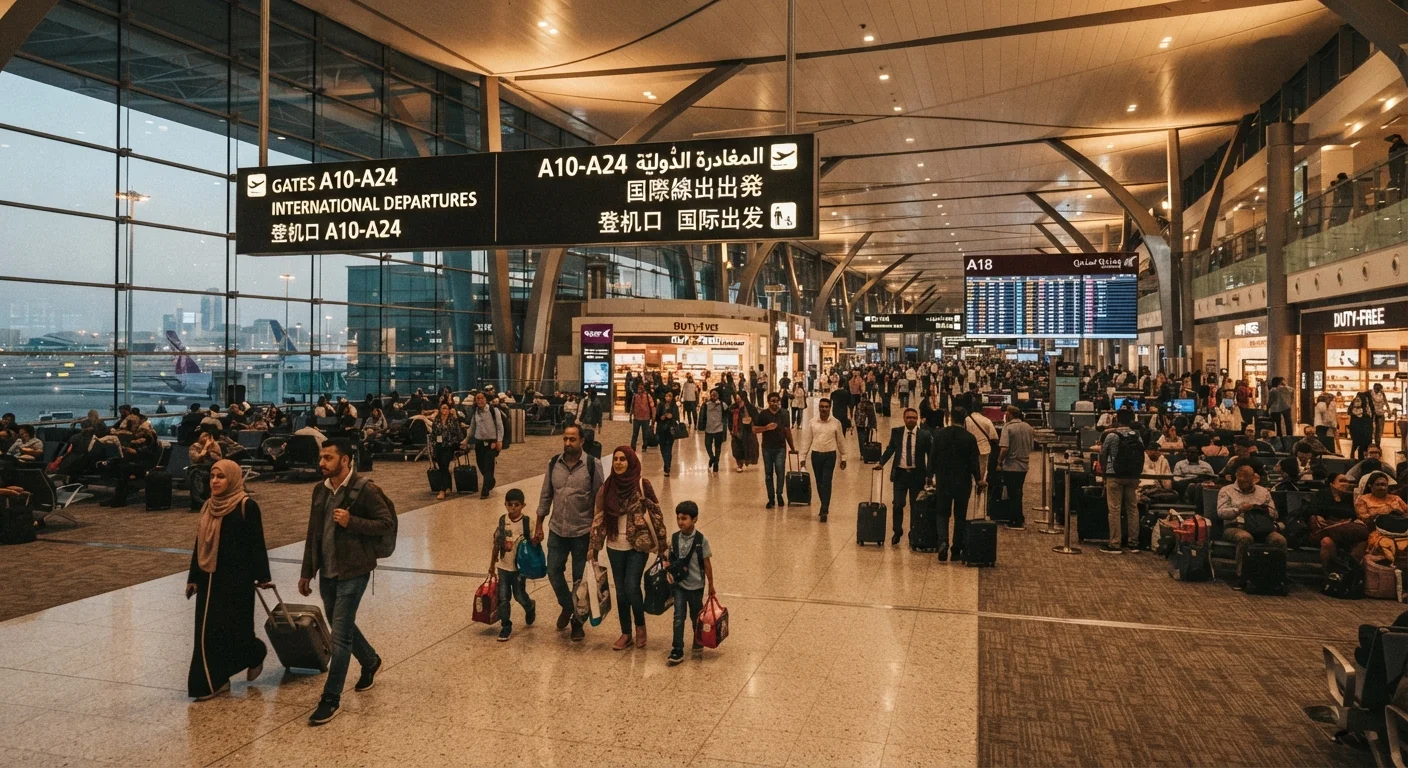
Photo credit: PrimeFaqs.com | Trending And Accurate Content
In this article
Practical strategies for reading signage, finding connections, communicating with staff, and staying calm in unfamiliar international terminals.
Key Takeaways
- Universal airport symbols and color-coded signage work across nearly every language barrier you'll encounter.
- Downloading offline translation apps and airport maps before departure is one of the highest-impact preparations.
- Simple written phrases and calm body language go a long way when communicating with airport staff.
- Knowing your gate, connection time, and terminal layout in advance dramatically reduces on-arrival stress.
- Official information desks and airline counters are your most reliable resources when you feel lost.
Why Language Barriers Feel Bigger in Airports - and Why They Shouldn't
Airports are stressful by design: tight connections, unfamiliar layouts, and the constant pressure of missing a flight. Add a foreign language to the mix and the anxiety can spike fast. But here's the reassuring reality - major international airports are engineered to move millions of passengers who speak hundreds of different languages. The infrastructure itself is built around that challenge.
Departure boards, security lanes, baggage claim areas, and gate clusters all rely on internationally standardized icons. A stylized plane lifting off means departures in Tokyo, Frankfurt, and Dubai. A downward arrow over a conveyor belt means baggage claim everywhere. Once you know to look for the visual logic rather than the words, you'll find airports remarkably readable. This guide walks you through exactly how to do that - step by step. Before you even reach the airport, see our planning guide for first-time international travelers for the broader preparation picture.
What to Prepare Before You Leave Home
The best time to solve a language barrier is before you encounter it. A few targeted prep steps can turn a confusing terminal into a navigable one.
What you will need
Offline Translation App
Translates signs, menus, and spoken phrases without requiring a data connection inside the terminal.
Airport Map (Downloaded)
Shows terminal layouts, gate locations, and transit connections so you can navigate without Wi-Fi.
Printed Itinerary Card
A physical card listing your flight numbers, gate areas, and destination in both English and the local language - useful when your phone battery dies.
Portable Charger
Keeps your phone alive for translation, boarding passes, and maps throughout long layovers.
Also worth doing: look up whether your connecting airport uses a single terminal or multiple buildings linked by train or bus. Knowing that Frankfurt's Terminal 1 and Terminal 2 require an airside transit bus - or that Singapore's Changi connects terminals via the Skytrain - could be the difference between a smooth connection and a panicked sprint. For a full pre-departure checklist, see what to verify before any international trip.
Step-by-Step: Moving Through an Unfamiliar International Terminal
Follow these steps in sequence from the moment you land to the moment you're at your gate or exit.
Follow the Plane Symbol First
On landing, resist the urge to pull out your phone immediately. Look up and find the first overhead sign. Every international airport uses a stylized aircraft icon to direct arriving passengers toward immigration, baggage claim, and connections. Follow it and you'll stay in the correct passenger flow without needing to read a single word.
Identify Your Correct Queue at Immigration
Immigration lanes are typically split between nationals (citizens of that country) and foreigners or all-passports lanes. Look for a passport icon or a figure silhouette - not the language on the sign. When in doubt, show your US passport cover to a queue agent and point questioningly; they will redirect you if needed.
Use Your Translation App for Critical Signage
After clearing immigration, use your translation app's camera feature to scan any signs that don't include English or recognizable symbols. Focus on signs near customs declaration areas, baggage claim carousels, and transit/connection exits - these are the spots where a misread sign has the most consequence.
Locate the Information Desk or Airline Counter
If you're uncertain about a connecting gate, a transfer bus, or re-checking luggage, go directly to a staffed information desk or your airline's service counter rather than guessing. Show your boarding pass or itinerary card. Staff at major hubs are accustomed to working across language barriers using a combination of English, hand gestures, maps, and written notes.
Find Your Gate and Note the Departure Board
Once you know your gate, check the departure board for your flight number - not just your destination name, which may be displayed in a transliterated or local-language form. Flight numbers are universal and numerical. Confirm your gate is listed and note the boarding time. Set a phone alarm so you don't rely on announcements you may not understand.
Budget Your Time Generously for Connections
International connections typically require more time than domestic ones - potentially including immigration, customs, security re-screening, and a terminal change. If your layover is under 90 minutes at an unfamiliar hub, consider flagging it to your airline's check-in agent when you first check in. They may be aware of faster routing options or can note your tight connection for ground staff.
Staying Calm When Things Go Wrong
Missed connections, wrong terminals, and rebooking queues happen - even to experienced travelers. A language barrier makes these moments feel worse, but the process for resolving them is the same worldwide: find an official staff member, show your documents, and ask for written confirmation of any changes made to your booking.
If you're at a loss, airline lounges (even if you don't have access) often have bilingual staff at the entrance who can point you in the right direction. Airport police are another reliable, approachable resource - their job includes helping disoriented passengers.
Write It Down Before You Need It
Carry a small card - or a screenshot - with your destination, hotel name, and next flight number written in the local script. Translation apps can generate this for you at home when you have reliable Wi-Fi. Showing a written note to staff eliminates pronunciation guesswork entirely and speeds up almost every interaction.
While you're navigating the terminal, stay aware of your belongings. Busy airports are prime environments for distraction-based theft. Our guide on keeping your money and devices safe while traveling has concrete habits worth building before departure.

Author
Travel & Trips Editorial Team
Travel & Trips Editorial Team is the collective byline for our editorial team and contributor network. Articles published under this byline or an editorial pen name are researched, written, and reviewed according to our editorial standards for clarity, consistency, and independence before publication.
View all articles →