
Before You Go: What to Verify Before Any International Trip
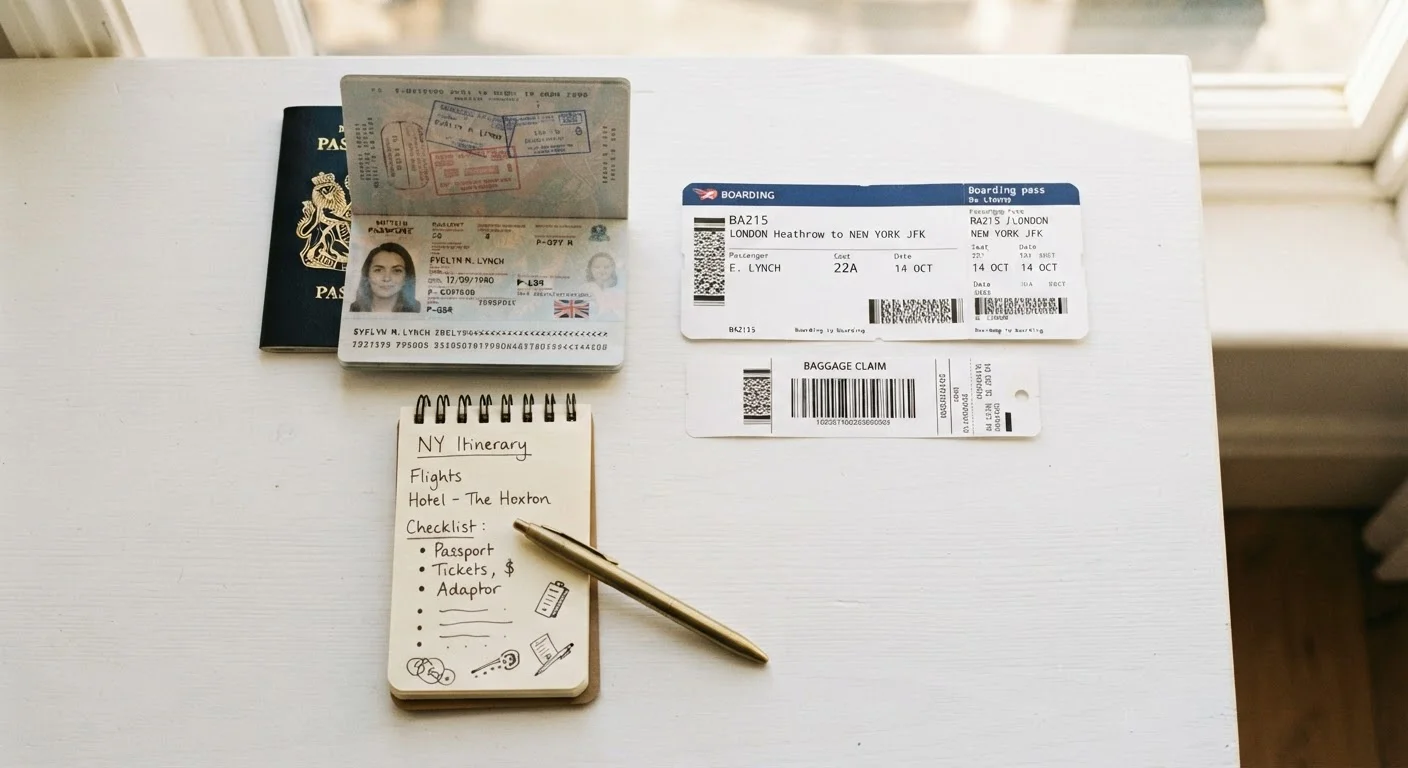
Photo credit: PrimeFaqs.com | Trending And Accurate Content
In this article
Passport validity, entry requirements, health documentation, and more—a structured checklist to work through before leaving the US.
Key Takeaways
- Passport validity rules vary by country - many require six months beyond your travel dates.
- Visa and entry requirements change frequently; always verify with official government sources before traveling.
- Health documentation such as vaccination records may be required at your destination's border.
- Travel insurance and financial prep are often overlooked until something goes wrong.
- Notify your bank and set up offline maps before you board - not after you land.
Why This Checklist Matters
International travel is one of life's great experiences - and one of its most easily derailed ones. A missing document, an expired passport, or an overlooked visa requirement can stop a trip before it begins. This checklist is designed to help US travelers catch those gaps with enough time to fix them. Work through it at least four to six weeks before departure for any destination outside the country.
For broader pre-booking decisions - like choosing whether to go at all - see the pre-trip planning checklist that covers advisories, insurance, and reservations. This guide picks up where that one leaves off: the final verification sprint before you pack your bags.
Travel Documents
Entry Requirements and Advisories
Health and Vaccinations
Financial and Connectivity Prep
Insurance and Emergency Planning
What You'll Need to Work Through This
Having the right resources open before you start will save you from hunting mid-checklist. Gather the tools below, then run through each group systematically.
US Department of State Travel Website (travel.state.gov)
Look up passport requirements, visa information, and current travel advisories for any destination country.
CDC Travelers' Health Site (wwwnc.cdc.gov/travel)
Review destination-specific health notices, required vaccinations, and recommended health precautions.
STEP - Smart Traveler Enrollment Program
Register your trip with the US embassy at your destination to receive safety alerts and locate you in an emergency.
Your Passport and Supporting Documents
Physical originals plus digital scans needed to verify validity dates and confirm entry compliance.
Travel Insurance Policy Documents
Review coverage limits, medical evacuation terms, and emergency contact numbers before departure.
Offline Maps App (device-downloaded)
Navigate without mobile data on arrival - useful before a local SIM or roaming plan is active.
Once you've confirmed your documents and entry requirements are squared away, turn your attention to what goes in your bag. Our guide to carry-on packing before every flight walks through documents, medications, and comfort essentials that belong within arm's reach on any international flight.
Don't Rely on Third-Party Sites for Entry Rules
Travel blogs, booking platforms, and even some airline sites can carry outdated or incomplete visa and entry information. Entry requirements change without much fanfare - sometimes in response to diplomatic shifts or public health situations. Always cross-check requirements on the destination country's official immigration or embassy website and on travel.state.gov before finalizing any plans.
A Note on Entry Requirements and Safety
Entry rules, travel advisories, and health requirements can shift rapidly - sometimes in the weeks just before a trip. The US Department of State and the CDC both maintain up-to-date destination pages that are the authoritative source for Americans traveling abroad. Never rely solely on a travel blog or booking platform for visa or health documentation requirements.
For a deeper walkthrough of how to read and interpret those official sources, the entry requirements and visa rules guide explains the difference between visa-on-arrival, e-visa, and embassy-issued visas - and what travel advisory levels actually mean in practice.
Finally, once you're in-country, protecting your money and devices becomes the priority. The article on keeping your money and devices safe while traveling covers habits worth building before you leave home, not after something goes wrong.
This article provides general travel information for educational purposes. Entry requirements, health regulations, and travel advisories can change at any time. Always verify current requirements with official government sources - including the US Department of State and the destination country's embassy or consulate - before traveling.

Author
Travel & Trips Editorial Team
Travel & Trips Editorial Team is the collective byline for our editorial team and contributor network. Articles published under this byline or an editorial pen name are researched, written, and reviewed according to our editorial standards for clarity, consistency, and independence before publication.
View all articles →