
Entry Requirements, Visa Rules, and Travel Advisories Explained
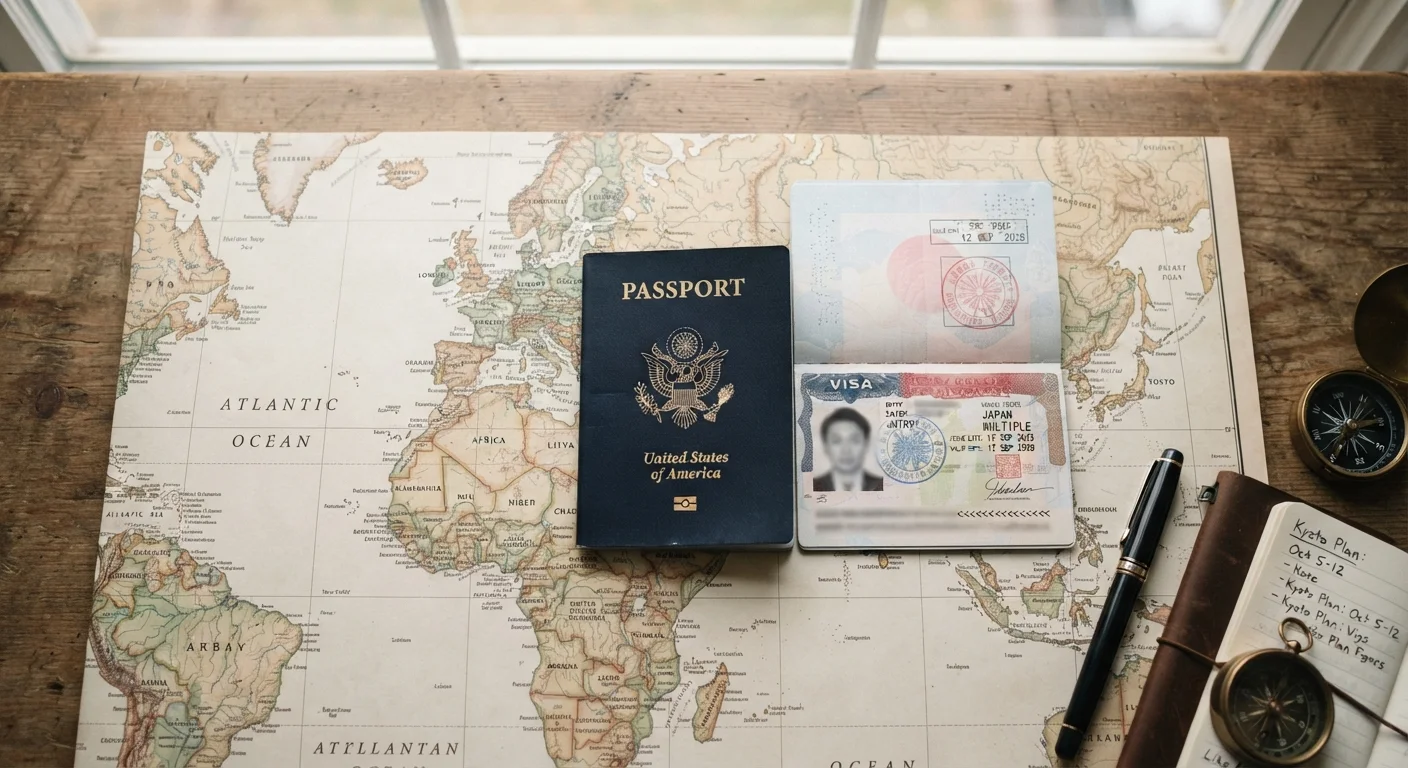
Photo credit: PrimeFaqs.com | Trending And Accurate Content
In this article
A plain-language guide to how U.S. travelers can research visa requirements, entry rules, and government travel advisories before any trip.
How U.S. Entry Requirements Actually Work
Every country sets its own rules for who may enter, how long they may stay, and what documents they must carry. For American travelers, the starting point is almost always the same: your U.S. passport. But a valid passport alone doesn't guarantee entry - destination countries may also require a visa, a travel authorization, proof of onward travel, sufficient funds, or specific health documentation.
The single most reliable source for this information is the U.S. Department of State's travel website (travel.state.gov). Each country page lists visa requirements for U.S. citizens, passport validity rules, and links to the destination country's official immigration authority. Cross-referencing with the destination country's own embassy website in Washington, D.C. is also a smart move, since requirements can change faster than third-party aggregators update.
For a full walkthrough of the documentation process, see our guide to planning your first international trip - it covers passports, visas, and health prep in one place.
Visa Categories U.S. Travelers Commonly Encounter
Not every trip requires a traditional visa. Here's a quick breakdown of the main categories:
- Visa-free access: Many countries allow U.S. passport holders to enter without a visa for short stays - often 30 to 90 days - for tourism. Duration limits vary by country and are strictly enforced.
- Electronic Travel Authorization (ETA) / Electronic Travel Authorization: Some countries (including Canada, Australia, and several European Union nations launching the EES/ETIAS system) require a pre-approved digital authorization purchased before departure. These are not visas but are mandatory.
- Visa on arrival: Certain countries issue entry stamps or stickers at the border. Travelers should still research whether fees apply and what documents are needed at the checkpoint.
- Tourist visa (advance): Countries like China, India, and Russia have historically required Americans to obtain a tourist visa from a consulate or embassy before traveling. Processing times can range from days to weeks.
- Long-stay and special-purpose visas: Work, study, or extended stays require specific visa categories beyond tourism. These generally involve additional documentation and longer processing windows.
Electronic Travel Authorization (ETA)
A digitally issued pre-travel permission required by some countries before a traveler boards a flight. It is not a visa but is mandatory for entry and is typically obtained online before departure.
Visa on Arrival
An entry permit issued at the destination country's border or airport rather than from a consulate in advance. Travelers should still check fees and required documents before traveling.
Travel Advisory
An official government assessment of safety conditions in a foreign country, rated on a scale from normal precautions (Level 1) to do not travel (Level 4). The U.S. State Department publishes these for every country.
STEP (Smart Traveler Enrollment Program)
A free U.S. State Department service that lets American travelers register their international trips with the nearest embassy or consulate, enabling emergency contact and alerts.
Passport Validity Requirement
A rule imposed by many destination countries requiring a traveler's passport to remain valid for a set period - often six months - beyond the intended return date.
Always verify which category applies to your destination and your intended activity - entering on a tourist authorization while planning to work, for example, can result in deportation and future entry bans.
Reading U.S. Government Travel Advisories
The State Department issues four-level travel advisories for every country in the world. Understanding what each level means helps you make an informed decision - not a panicked one.
- Level 1 - Exercise Normal Precautions: Standard awareness applies, as in any travel situation.
- Level 2 - Exercise Increased Caution: Heightened awareness warranted; specific risks exist in certain areas or sectors.
- Level 3 - Reconsider Travel: Serious risks present; travelers should weigh the trip carefully and prepare contingency plans.
- Level 4 - Do Not Travel: The highest advisory, typically issued for active conflict zones, severe health crises, or extreme safety risks. The State Department strongly urges Americans not to travel to these destinations.
Advisories are updated in response to events, so check them close to your departure date - not just at booking. The pre-trip planning checklist is a practical tool for scheduling these verification steps into your workflow.
Also consider registering your trip with the Smart Traveler Enrollment Program (STEP) at travel.state.gov. This free service connects you with the nearest U.S. embassy or consulate and enables the State Department to reach you in an emergency.
Passport Validity, Health Requirements, and Other Entry Rules
Beyond visas and advisories, several additional entry rules catch travelers off guard:
- Passport validity windows: Many countries require your passport to be valid for at least six months beyond your planned departure date. A passport expiring three months from now may be rejected at the border even if technically valid.
- Blank passport pages: Some countries require one or two blank pages for stamps. If your passport is nearly full, consider renewal before traveling.
- Health documentation: Vaccination requirements - including yellow fever certificates for travel to or from certain regions - are set by the destination country and can be enforced at the border. The CDC's Travelers' Health site (wwwnc.cdc.gov/travel) lists recommended and required vaccinations by country.
- Customs declarations: Most countries require travelers to declare cash above a threshold (commonly equivalent to $10,000 USD) and restrict or prohibit certain foods, plants, medications, and goods.
If you're traveling with prescription medications, the rules get more nuanced - see our guide on traveling with medications for what to know before you pack.
For a destination-specific perspective, our international trip verification checklist covers health documentation and entry rules in structured format.
This article provides general travel information for educational purposes only. Entry requirements, visa rules, and travel advisories change frequently. Always verify current requirements with official government sources - including the U.S. Department of State, the destination country's embassy, and your airline - before you travel.

Author
Travel & Trips Editorial Team
Travel & Trips Editorial Team is the collective byline for our editorial team and contributor network. Articles published under this byline or an editorial pen name are researched, written, and reviewed according to our editorial standards for clarity, consistency, and independence before publication.
View all articles →