
Keeping Your Money and Devices Safe While Traveling
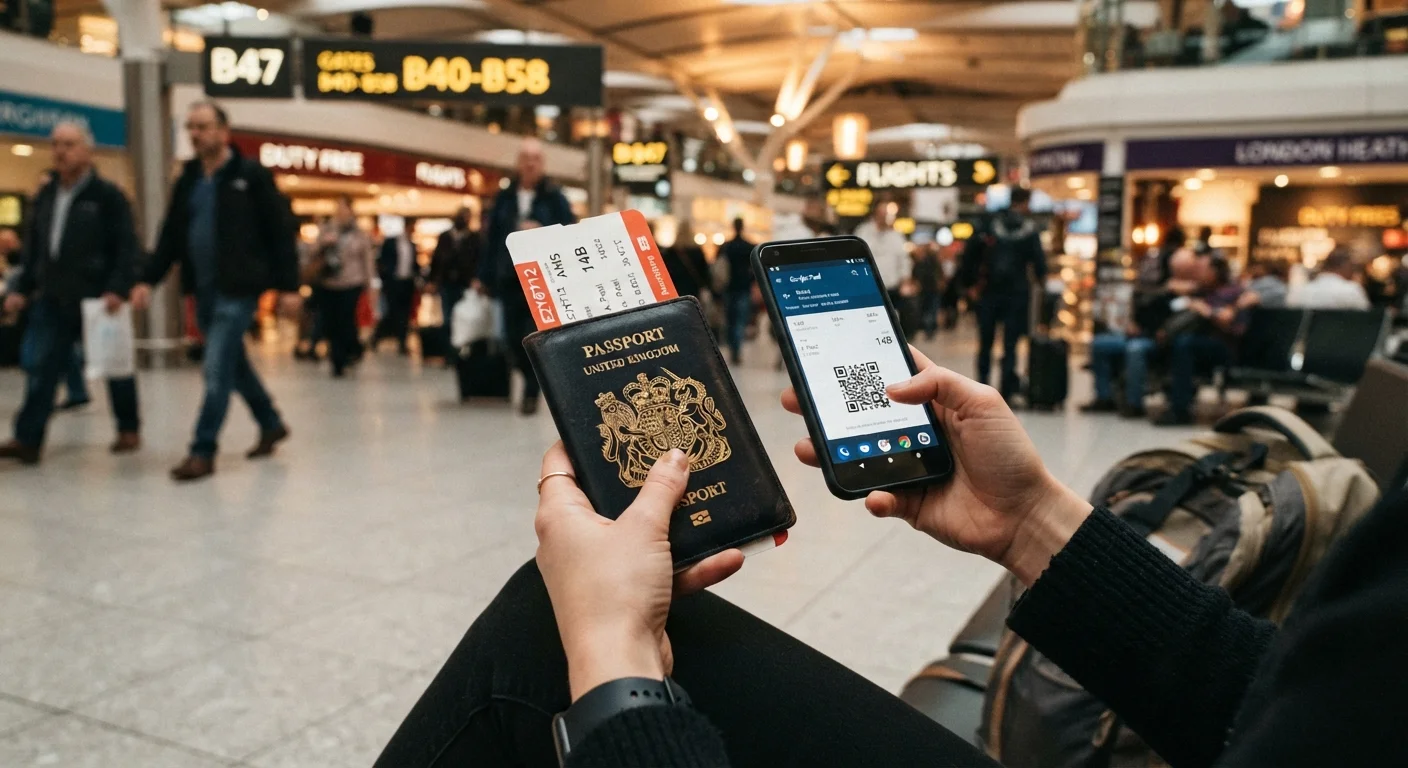
Photo credit: PrimeFaqs.com | Trending And Accurate Content
In this article
Proven habits for protecting your cash, cards, phone, and personal data across airports, hotels, and unfamiliar cities.
Key Takeaways
- Notify your bank before departure and carry at least two payment methods in separate locations.
- Enable full-disk encryption and two-factor authentication on every device before you travel.
- Public Wi-Fi at airports and hotels carries real data-theft risks - use a VPN or mobile data instead.
- Hotel safes and hidden money belts are practical first lines of defense against opportunistic theft.
- Photographing key documents and storing copies in a secure cloud folder gives you a critical backup.
Before You Leave: The Setup That Pays Off
Most travel security failures are preventable - and the window to prevent them is the week before departure, not after something goes wrong. Start with your finances. Call your bank and credit card issuers to let them know your travel dates and destinations. Unexpected foreign transactions flagged as fraud can freeze your card at the worst possible moment. Carry at least two cards from different networks and keep them in separate bags or pockets so a single theft doesn't wipe out your payment options.
On the device side, enable full-disk encryption on your phone and laptop, update your operating system and apps, and turn on two-factor authentication for email, banking, and any app that holds sensitive information. Set a strong PIN or passphrase - not a fingerprint alone, since border officials in some countries can legally compel biometric unlocks. Before you go, photograph the data page of your passport, your travel insurance card, and key reservation confirmations, then save copies to a secure, password-protected cloud folder. See our pre-trip verification checklist for a fuller rundown of documents to prep.
At the Airport and In Transit
Airports concentrate distraction and strangers in equal measure - a pickpocket's favorite environment. Keep your carry-on in front of you or between your feet at all times, especially while waiting at gates or standing in security lines. Laptop bags left on the conveyor belt at TSA while you're still removing shoes are a known target; keep an eye on your gear until you've cleared the body scanner.
Skip airport Wi-Fi for anything sensitive. Public networks - even those requiring a login - can be monitored, and connecting to a rogue hotspot with a convincing name is easier than most travelers realize. If you must connect, use a reputable VPN (virtual private network) service to encrypt your traffic. Better still, use your phone's mobile hotspot for your laptop rather than logging onto shared airport or hotel networks. Our guide on avoiding common airport money traps covers additional ways travelers expose themselves financially in terminals.
On the Ground: Hotels, Cities, and Daily Habits
Once you've landed, your security posture shifts from transit mode to daily vigilance. Hotel room safes are a reasonable deterrent for passports and spare cash - just set your own four-digit code rather than using a default. For high-value items, a TSA-accepted cable lock can secure your bag to a fixed piece of furniture when you're out. Distribute your cash into two or three small amounts rather than carrying a thick wallet; losing one envelope stings far less than losing everything.
In busy markets, tourist areas, and public transit, wear your backpack on your front or use a slim crossbody bag with a zipper - not an open tote. RFID-blocking sleeves for credit cards are a popular precaution, though actual RFID skimming of contactless cards in the wild is relatively rare compared to physical theft. Focus energy on keeping cards out of sight rather than on specialized gear. For tracking your daily spending and spotting unusual charges early, the habits covered in smarter trip budget tracking pair well with regular card monitoring.
If Something Goes Wrong
Even careful travelers get unlucky. If a card is lost or stolen, call your issuer immediately - most US banks have 24/7 international lines on the back of the card (which you'll have photographed). Freeze the card via the bank's app if that feature is available, and request a replacement to be sent to a local branch, your hotel, or someone at home who can overnight it. For a stolen phone, remotely lock or wipe it using Apple's Find My or Google's Find My Device - both work as long as the phone has a data connection.
Travel Insurance and Device Coverage
Many travel insurance policies cover stolen electronics and emergency card replacement fees, but coverage limits and exclusions vary widely. Review your policy's personal property section before you travel - some plans require a police report filed within 24 hours of the theft to process a claim. Standard homeowners or renters insurance may also extend coverage to personal property abroad; check with your insurer before purchasing duplicate coverage.
File a police report locally if required by your travel insurance, even if you're skeptical anything will be recovered - documentation matters for reimbursement claims. Keep digital copies of that report in your cloud folder alongside your other backup documents. Packing smart from the start, including knowing what's in your carry-on, also reduces what can be lost - our carry-on packing guide can help you streamline what you bring.

Author
Travel & Trips Editorial Team
Travel & Trips Editorial Team is the collective byline for our editorial team and contributor network. Articles published under this byline or an editorial pen name are researched, written, and reviewed according to our editorial standards for clarity, consistency, and independence before publication.
View all articles →