
Spot the Warning Signs Before a Small Roof Issue Becomes a Big One
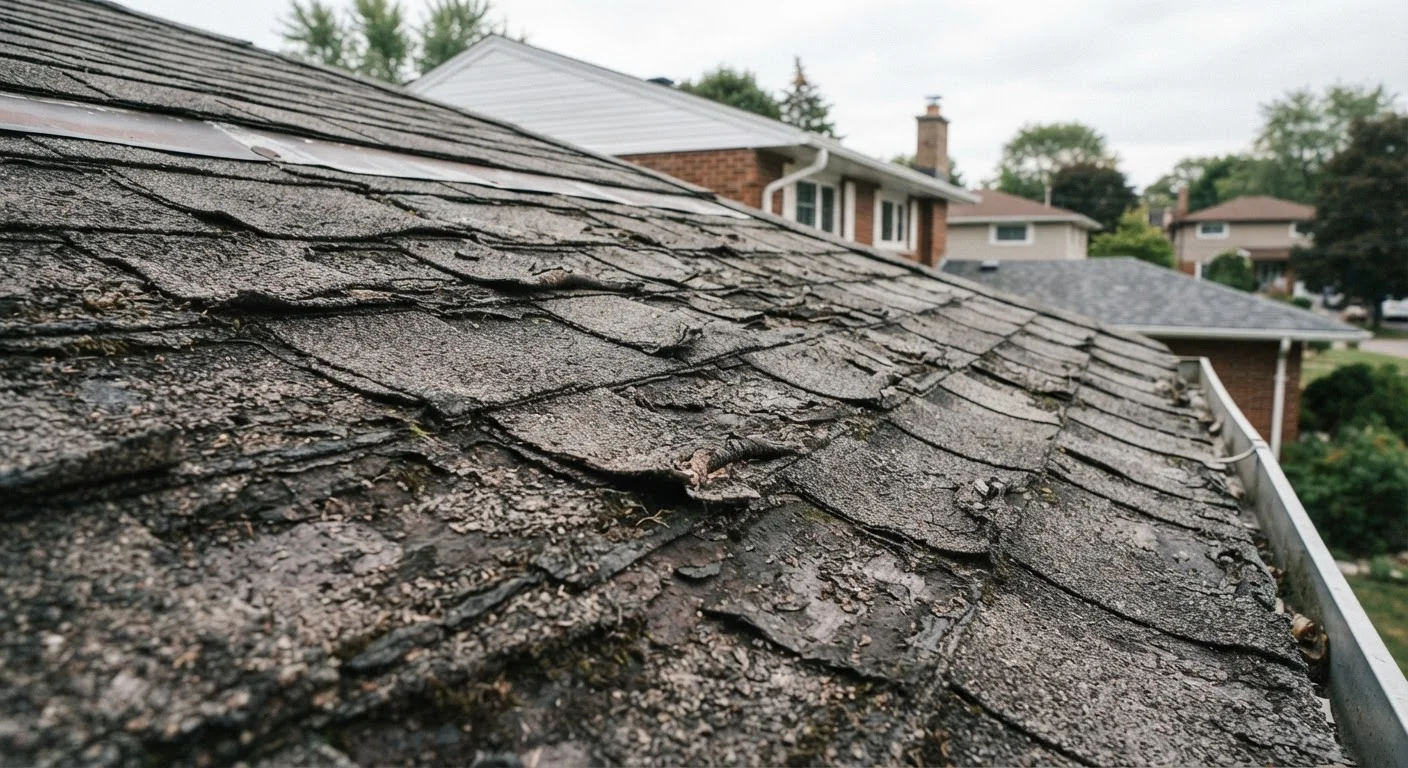
Photo credit: PrimeFaqs.com | Trending And Accurate Content
In this article
Curled shingles, granules in gutters, and attic moisture are easy to miss. Learn what to look for during routine checks of your roof.
Why Routine Roof Checks Matter
Most roof failures don't happen overnight. They develop slowly - a lifted shingle here, a clogged valley there - until water finally finds its way through. By the time a stain appears on your ceiling, the damage behind it is often far more extensive than what's visible. That's why identifying warning signs early is one of the highest-value habits a homeowner can build.
You don't need to climb onto the roof yourself to spot most problems. A pair of binoculars, a look inside your attic, and a walk around your gutters after a rain will reveal the majority of early warning signs. This reference guide walks you through exactly what to look for and when to call a licensed roofing professional.
For a broader view of how deferred maintenance compounds over time, see our article on what professionals look for during seasonal home inspections.
| Recommended inspection frequency | Twice per year (spring and fall), plus after major storms |
| Typical asphalt shingle lifespan | 20-30 years depending on material grade and climate |
| Most common leak entry points | Flashing at chimneys, skylights, and roof valleys |
| Early interior warning sign | Brown ceiling stains or musty attic odor |
| When to call a professional | Any sagging, structural concern, or active interior leak |
Key Warning Signs to Know
Use the definitions below to understand the terms roofing professionals use - and to accurately describe what you're seeing when you call for an estimate.
Flashing
Thin strips of metal (usually aluminum or galvanized steel) installed at roof joints and penetrations - such as chimneys, vents, and skylights - to direct water away from vulnerable seams.
Granule loss
The shedding of the small mineral particles embedded in asphalt shingles. Granules protect against UV radiation; significant loss accelerates shingle deterioration.
Roof deck / sheathing
The flat structural panel (typically plywood or OSB) fastened to the roof's framing. Shingles and underlayment attach to this surface, so any rot or damage here compromises the whole roof system.
Underlayment
A water-resistant or waterproof layer installed directly on the roof deck beneath shingles. It serves as a secondary barrier against moisture if the outer layer is breached.
Cupping / Clawing
Two forms of shingle distortion. Cupping occurs when shingle edges turn upward; clawing occurs when edges stay flat but the middle lifts. Both indicate aging or moisture problems.
Ice dam
A ridge of ice that forms at the roof's edge when heat escapes from the living space, melts snow higher on the roof, and the meltwater refreezes at the colder eaves. Ice dams can force water under shingles.
Exterior Signals
- Curled or cupped shingles: Edges lifting upward (cupping) or corners turning downward (clawing) indicate shingles past their useful life or moisture imbalance beneath the deck.
- Missing shingles: Even one missing shingle exposes the underlying felt and decking to direct water infiltration. Wind and freeze-thaw cycles are common causes.
- Granules in gutters: Asphalt shingles shed granules as they age. A heavy accumulation in downspouts - especially after a storm - signals accelerated wear. Check your gutters regularly; our guide on when gutter cleaning is a DIY task and when it isn't explains what else to look for while you're up there.
- Cracked or blistered shingles: Thermal expansion, poor ventilation, or manufacturing defects can cause surface cracking. Blistering often points to trapped moisture or volatile gases escaping during installation.
- Sagging roof deck: Any visible dip or wave in the roofline suggests structural weakness - rotted sheathing, damaged rafters, or prolonged moisture exposure. This warrants immediate professional evaluation.
- Damaged or missing flashing: Metal flashing seals roof penetrations (chimneys, vents, skylights). Rust, lifted edges, or gaps here are a leading cause of interior leaks.
Interior and Attic Signals
- Water stains on ceilings or walls: Brown rings or discoloration often trail away from the actual leak point - trace them toward the roof to locate the source.
- Attic moisture or mold: Dark staining on rafters or insulation, condensation on sheathing, or a musty odor indicate inadequate ventilation or an active leak.
- Daylight visible through the roof deck: Any pinhole of light coming through the attic boards means gaps exist that water can also exploit.
Safety First: Stay Off the Roof
Visual inspections from the ground using binoculars, or from a stable ladder at the eave level, reveal most early warning signs without requiring you to walk on the roof surface. Roof surfaces can be slippery and structurally unpredictable if damage is present. For any close-up evaluation, hire a licensed roofing contractor who carries appropriate insurance and safety equipment.
How Often to Inspect and When to Act
Most roofing professionals recommend a visual inspection at least twice a year - once in spring after winter stress, and again in fall before freezing temperatures set in. After any major storm with high winds or hail, a prompt check is warranted regardless of season. Spring roof checks fit naturally into a broader seasonal routine; our article on tasks for every homeowner's spring maintenance list covers what else deserves attention after winter.
If you spot any of the exterior or attic signals described above, document them with photos and contact a licensed roofing contractor for a professional assessment. Do not attempt to walk or work on a roof without appropriate safety equipment and training - falls are among the most common serious home-improvement injuries. For anything beyond a basic visual scan from the ground or a safely accessible ladder, professional help is the right call.
Small oversights in home maintenance rarely stay small. The same principle that applies to plumbing maintenance mistakes holds true for roofing: the earlier you catch a problem, the less it typically costs to fix.
40%
Of home insurance claims related to water and wind damage
Water and wind damage consistently rank among the top causes of homeowner insurance claims in the U.S., underscoring the importance of proactive roof maintenance.
70%
Of roof leaks originate at flashing points
Industry roofing guidance widely notes that the majority of water intrusion problems trace back to failed or improperly installed flashing rather than shingle failure itself.

Author
Home & Garden Editorial Team
Home & Garden Editorial Team is the collective byline for our editorial team and contributor network. Articles published under this byline or an editorial pen name are researched, written, and reviewed according to our editorial standards for clarity, consistency, and independence before publication.
View all articles →