
The Anatomy of a Safe Lane Change
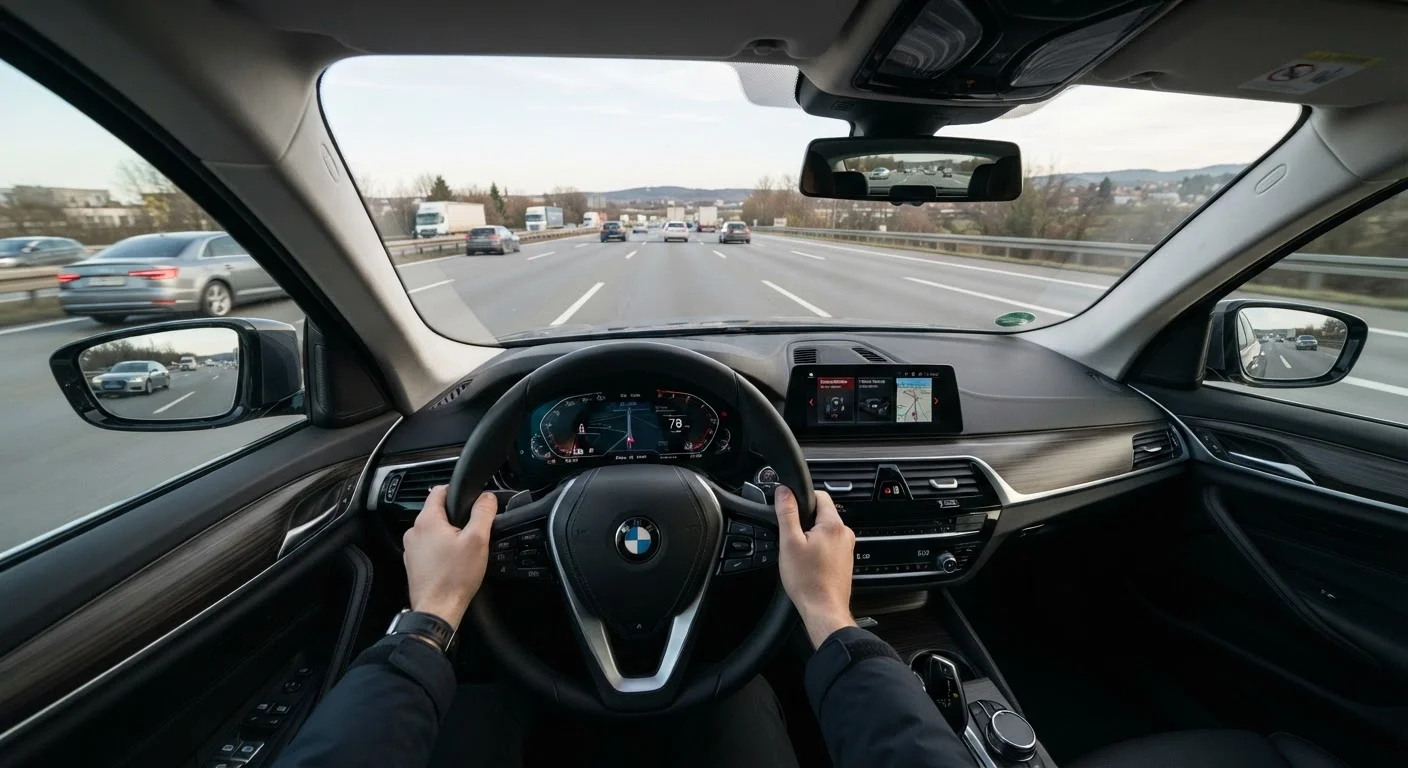
Photo credit: PrimeFaqs.com | Trending And Accurate Content
In this article
A safe lane change involves more than a glance in the mirror. Walk through the full sequence of checks, signals, and positioning that make it reliable.
Key Takeaways
- A safe lane change requires a specific sequence: check mirrors, signal, check blind spots, then move gradually.
- Blind spots are real and consistent - knowing where yours are is a fundamental safety skill.
- Signaling early gives surrounding drivers time to react, not just notice you.
- Speed matching before moving prevents the abrupt merges that trigger close calls.
- Rushing a lane change is one of the most common causes of preventable collisions on multi-lane roads.
Why Lane Changes Go Wrong
Lane changes are among the most routine maneuvers drivers perform - and among the most frequently mishandled. The reason isn't usually recklessness. It's that the sequence gets compressed. Drivers check one mirror, signal, and move, skipping steps that exist for real reasons.
Each element of the full sequence addresses a specific gap in your visibility or awareness. Mirrors cover most of the space behind you, but not all of it. Signaling creates a window of time. The blind-spot check closes the gap mirrors leave. Speed matching removes the speed differential that makes merges dangerous. When you skip any of these, you're not just bending a rule - you're removing a safety layer that was doing a job.
This is especially relevant on highways, where speed amplifies consequences. If you're building your overall driving skills, the guide on highway versus city driving demands offers useful context on what changes at higher speeds.
Adjust Mirrors Before You Drive
Properly positioned mirrors reduce - but do not eliminate - your blind spots. Set your side mirrors so you can just barely see the edge of your own vehicle. This wider angle gives you more coverage of adjacent lanes and helps the full check sequence work more effectively.
What you will need
What You'll Need Before You Start
This isn't a mechanical task requiring tools, but it does require that certain basics are already in place. Before practicing or refining this sequence, confirm the following:
Properly adjusted side and rearview mirrors
Provide broad visibility of traffic behind and to the sides before initiating any lane change.
Functioning turn signals
Communicate your intent to nearby drivers before you begin moving into a new lane.
If your mirrors are out of position or your signals are unreliable, no amount of technique compensates. Basic vehicle readiness is the foundation. For a broader pre-drive checklist, see the road-trip safety checklist - many of those checks apply to everyday driving, not just long trips.
The Full Lane-Change Sequence
Follow these steps in order, every time. The goal is to make this sequence automatic - something you complete without having to consciously recall each element. That kind of muscle memory only develops through consistent repetition.
Never Change Lanes on Instinct Alone
Many drivers initiate a lane change the moment it feels right, without completing all mirror and blind-spot checks. This is one of the most common causes of side-swipe collisions. The full sequence described in this article should become automatic - not something you skip when you're in a hurry.
Assess the traffic situation ahead of time
A lane change starts with planning, not movement. Before you even touch your signal, scan the road roughly 10-15 seconds ahead. Identify which lane you need, whether traffic in that lane is moving faster or slower than yours, and whether there's a gap large enough to move into comfortably.
A usable gap is generally one that gives you at least a two-to-three second following distance once you complete the move. If no gap exists yet, wait - don't force one.
Check your mirrors in sequence
Once you've identified a potential gap, check your mirrors in order: rearview mirror first, then the side mirror on the side you plan to move toward. This gives you a picture of what's happening behind you and alongside you before you commit.
Look for vehicles that may be accelerating toward your position, motorcycles that can be harder to spot at speed, and any vehicle that's already signaling to move into the same gap.
Signal your intention early
Activate your turn signal before you begin moving. The signal's purpose is to communicate your intent so other drivers can adjust - not just to announce that you're already mid-maneuver. A good rule of thumb: signal at least three to five seconds before you begin moving the wheel.
On highways or at higher speeds, signal even earlier. Other drivers need reaction time, not just notification.
Check your blind spot with a shoulder glance
Turn your head and glance briefly over the shoulder toward the lane you're entering. This is the check that mirrors cannot replace. You're looking for vehicles that have moved into the space your mirrors don't cover - typically a zone running from just behind your rear door to slightly past your rear bumper on that side.
The glance should be quick but deliberate. Keep your hands steady on the wheel and your vehicle tracking straight while you do it.
Match the speed of the target lane
Before steering into the new lane, adjust your speed to match the flow of traffic already in it. If target-lane traffic is moving faster than you, accelerate to close that gap. If it's moving slower, ease off the accelerator.
Moving into a lane at a significantly different speed creates the kind of abrupt merge that startles nearby drivers and reduces the margin for error on both sides.
Make the move gradually and complete it fully
Steer smoothly and progressively into the new lane. Avoid jerking the wheel - a gradual arc keeps your vehicle stable and predictable to surrounding traffic. Once you've fully crossed the lane line, center yourself in the new lane and cancel your turn signal if it hasn't self-cancelled.
Re-check your mirrors once you're settled to confirm your new position relative to traffic and re-establish a safe following distance from the vehicle ahead.
Drivers who work on this sequence alongside other safe driving habits tend to build a more reliable overall skill set. The guide to building safer driving habits covers the routines and mindsets that support that kind of consistency.
Putting It Into Practice
Reading about a lane change sequence and internalizing it are different things. If you're a newer driver, consider practicing on lower-speed multi-lane roads before applying this on a highway. What experience teaches that the driving test doesn't includes honest context on how long it takes to make these sequences feel natural.
Blind Spots Vary by Vehicle
Larger vehicles - SUVs, trucks, and vans - have significantly larger blind spots than sedans. If you've recently switched vehicle types, take time in a parking lot to re-identify where your blind spots fall before driving on multi-lane roads. Never assume your old vehicle's geometry applies to your new one.
Even experienced drivers benefit from occasionally rechecking their habits. If you've recently developed a tendency to skip the shoulder glance or signal late, that's a habit worth resetting deliberately - not later, but on your next drive.

Author
Automotive Basics Editorial Team
Automotive Basics Editorial Team is the collective byline for our editorial team and contributor network. Articles published under this byline or an editorial pen name are researched, written, and reviewed according to our editorial standards for clarity, consistency, and independence before publication.
View all articles →