
Carry-On Only vs. Checked Bag: The Real Trade-Offs
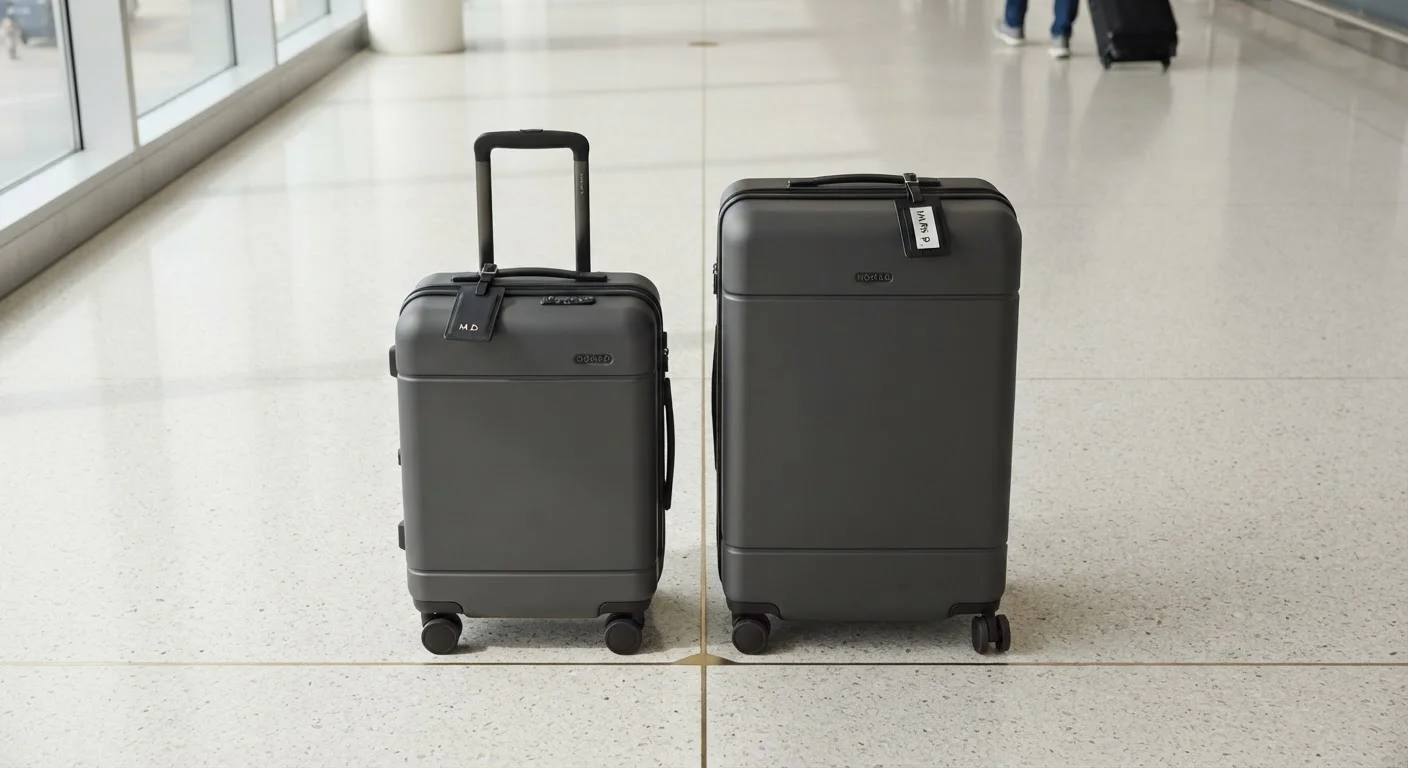
Photo credit: PrimeFaqs.com | Trending And Accurate Content
In this article
Weigh the convenience, cost, and risk trade-offs between traveling with carry-on luggage only versus checking a bag.
Key Takeaways
- Carry-on only saves money on bag fees and eliminates wait time at baggage claim.
- Checked bags offer more flexibility for longer trips, bulky gear, and liquid-heavy toiletry kits.
- Lost or delayed luggage is a real risk with checked bags, though airlines are required to compensate.
- Your trip length, destination type, and airline loyalty status should all factor into the decision.
- Neither option is universally better - the right choice depends on your specific itinerary.
No bag fees on most U.S. airline routes
Domestic carriers typically charge $35-$45 per checked bag each way. Traveling carry-on only eliminates this cost entirely on routes where it applies.
Skip baggage claim entirely
Exiting the airport immediately after landing - especially on tight connections or late arrivals - is one of the most underrated quality-of-life advantages of carry-on travel.
Zero risk of airline losing your luggage
Bags that never leave your possession can't be misrouted. This is particularly valuable on itineraries with tight connections or multi-leg international routing.
More flexibility for last-minute flight changes
Rebooking onto a different flight is far simpler when you're not waiting on a checked bag to be transferred. This matters most for business travelers working with unpredictable schedules.
Strict liquid limits apply to carry-on bags
TSA's 3-1-1 rule restricts liquids to 3.4-ounce containers in a single quart-sized bag - a real constraint for travelers with specific skincare, medication, or toiletry routines.
Limited capacity for longer trips or varied climates
Packing for ten or more days across multiple weather conditions in a single 22-inch roller bag requires significant compromise on clothing variety and gear.
Overhead bin space is not guaranteed
On full flights, carry-on bags are frequently gate-checked, undermining the core benefit. Basic economy passengers are often last to board and most vulnerable to this outcome.
Restricted for certain gear and sports equipment
Items like golf clubs, ski boots, musical instruments, and camping gear can't realistically fit in a carry-on, making checked bags unavoidable for many trip types.
The Core Trade-Off: Speed and Cost vs. Capacity and Comfort
Every traveler eventually faces the same airport crossroads: do you pack light and breeze through the terminal, or do you check a bag and bring everything you might need? The right answer isn't universal - it hinges on your route, trip length, travel style, and frankly, how much you hate waiting at baggage claim.
For a domestic weekend trip, carry-on only is almost always a practical win. For a two-week international adventure with hiking gear, formal dinners, and varied climates, a checked bag may simply be the reasonable choice. Understanding the actual trade-offs - not just the obvious ones - helps you make that call confidently before you ever reach the airport.
For a deeper dive into what to always keep within arm's reach mid-flight, see our pre-flight carry-on checklist.
Pros and Cons of Carry-On Only Travel
Traveling with just a carry-on has become a point of pride for efficiency-minded flyers - and for good reason. The benefits are tangible and immediate.
No bag fees on most U.S. airline routes
Domestic carriers typically charge $35-$45 per checked bag each way. Traveling carry-on only eliminates this cost entirely on routes where it applies.
Skip baggage claim entirely
Exiting the airport immediately after landing - especially on tight connections or late arrivals - is one of the most underrated quality-of-life advantages of carry-on travel.
Zero risk of airline losing your luggage
Bags that never leave your possession can't be misrouted. This is particularly valuable on itineraries with tight connections or multi-leg international routing.
More flexibility for last-minute flight changes
Rebooking onto a different flight is far simpler when you're not waiting on a checked bag to be transferred. This matters most for business travelers working with unpredictable schedules.
That said, carry-on travel isn't without friction. Overhead bin space is increasingly contested as airlines shrink personal item policies and more travelers go bag-free on basic economy fares.
Strict liquid limits apply to carry-on bags
TSA's 3-1-1 rule restricts liquids to 3.4-ounce containers in a single quart-sized bag - a real constraint for travelers with specific skincare, medication, or toiletry routines.
Limited capacity for longer trips or varied climates
Packing for ten or more days across multiple weather conditions in a single 22-inch roller bag requires significant compromise on clothing variety and gear.
Overhead bin space is not guaranteed
On full flights, carry-on bags are frequently gate-checked, undermining the core benefit. Basic economy passengers are often last to board and most vulnerable to this outcome.
Restricted for certain gear and sports equipment
Items like golf clubs, ski boots, musical instruments, and camping gear can't realistically fit in a carry-on, making checked bags unavoidable for many trip types.
If you want to make the carry-on approach work reliably, the techniques in our guide on packing light without leaving essentials behind can help you get there without sacrificing the things that matter.
When a Checked Bag Actually Makes More Sense
Despite the appeal of traveling light, there are scenarios where checking a bag is simply the smarter call - not a failure of packing discipline.
TSA Rules and Special Items
Certain items - including firearms, large lithium batteries, and some sporting equipment - are either prohibited in carry-on bags or subject to specific checked-bag regulations. Always verify current TSA guidelines and your airline's specific policy before packing, as rules can vary by carrier and destination country. The TSA website (tsa.gov) maintains an up-to-date searchable item list.
Families traveling with young children, travelers heading to weddings or formal events, surfers bringing boards, skiers with equipment, and anyone on a trip lasting more than ten days will generally find the capacity of a checked bag worth the added step. The same applies to business travelers who need to look polished across multiple client meetings without re-wearing the same two outfits.
~$90+
Typical round-trip checked bag cost on domestic flights
Based on standard first-bag fees of $35-$45 each way on major U.S. carriers, subject to change and waived for elite or co-branded cardholders.
2.9 per 1,000
Mishandled bags rate on U.S. carriers
The U.S. Department of Transportation reported approximately 2.9 mishandled bags per 1,000 passengers in recent annual Air Travel Consumer Reports.
The key is being realistic about what your trip demands. If you're constantly renting gear at the destination or paying resort fees to borrow equipment, a checked bag covering those items may cost less than alternatives.
Hidden Costs and Risks on Both Sides
The financial case for carry-on only is compelling - bag fees on domestic routes can run $35-$45 each way on many U.S. carriers, adding up to $90 or more on a round trip. Frequent flyers with elite status or co-branded credit cards often get those fees waived, which changes the math significantly.
On the checked bag side, the real risk is disruption. The U.S. Department of Transportation tracks mishandled baggage rates and requires airlines to compensate passengers for verifiably lost or damaged bags - but a delayed bag arriving 24 hours after you do can derail plans and force unplanned spending on essentials. Buying travel insurance that covers baggage delay is one way to reduce that exposure, though policies vary widely.
Carry-on travelers aren't risk-free either. Gate-checked bags - when bins fill up - can end up in the hold anyway, removing one of the main advantages. Arriving early and boarding in a priority group helps, but isn't guaranteed.
For a broader lens on how luggage strategy fits into overall trip budgeting, our article on road trip vs. flying cost trade-offs offers useful context for domestic travel decisions.

Author
Travel & Trips Editorial Team
Travel & Trips Editorial Team is the collective byline for our editorial team and contributor network. Articles published under this byline or an editorial pen name are researched, written, and reviewed according to our editorial standards for clarity, consistency, and independence before publication.
View all articles →