
Hydration in Pets: Why Water Intake Matters More Than Most Owners Realize
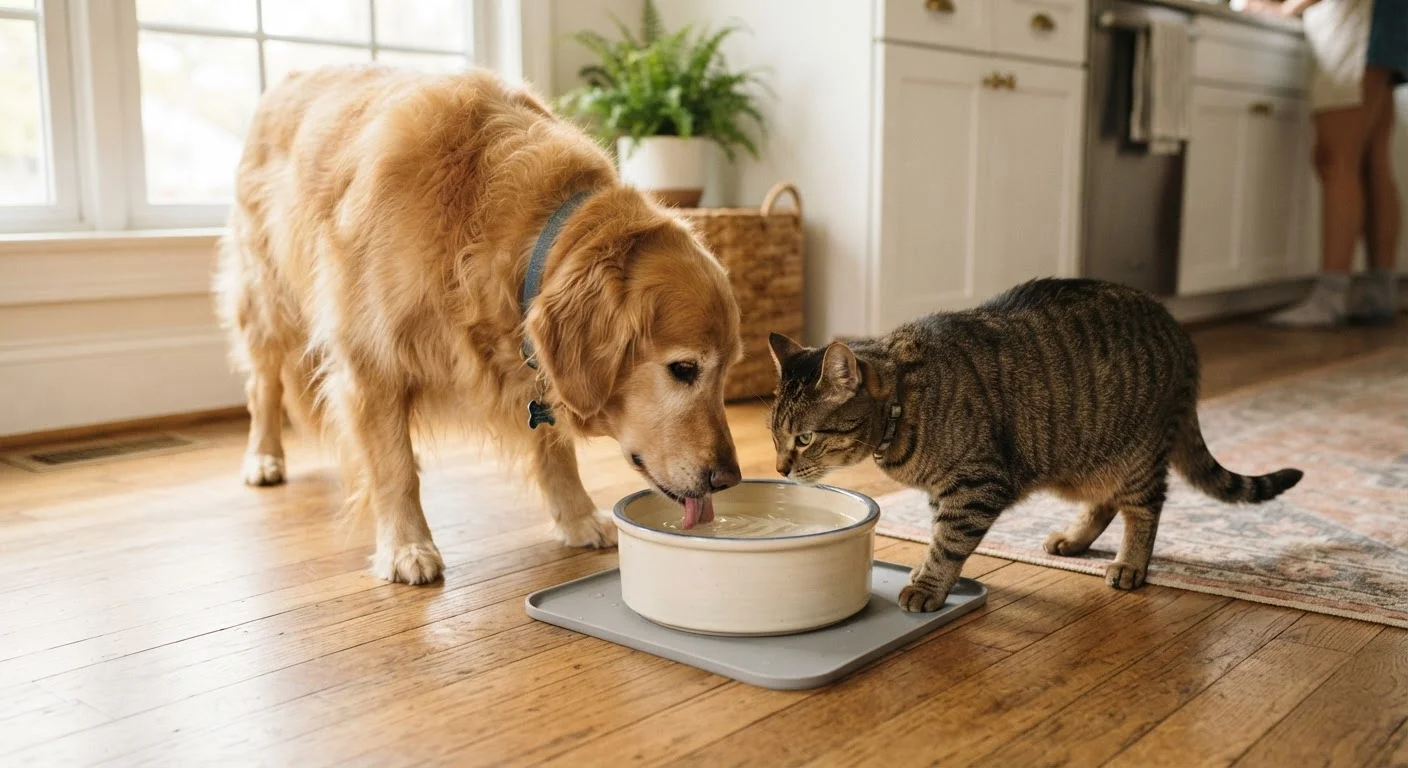
Photo credit: PrimeFaqs.com | Trending And Accurate Content
In this article
Chronic low water intake is linked to kidney and urinary problems in dogs and cats. Learn how to monitor hydration and encourage your pet to drink more.
Key Takeaways
- Chronic low water intake is a leading contributing factor to kidney disease and urinary tract problems in pets.
- Cats are especially prone to underdrinking because their ancestors evolved in arid environments with low thirst drives.
- Simple environmental changes - like adding water bowls or switching to wet food - can meaningfully boost intake.
- Signs of dehydration in pets include skin tenting, lethargy, dry gums, and sunken eyes.
- Monitoring your pet's daily water consumption is a useful early-warning tool for detecting health changes.
The Hidden Risk of Chronic Underhydration
Most pet owners think about water the way they think about air - assumed available, rarely measured. But veterinary professionals consistently identify chronic low water intake as a significant, preventable risk factor for some of the most common serious conditions in cats and dogs, particularly kidney disease and lower urinary tract disorders.
The kidneys depend on adequate fluid to filter waste, concentrate urine appropriately, and maintain electrolyte balance. When a pet drinks too little over months or years, the kidneys work harder than necessary and become more susceptible to damage. For cats especially, this is a well-established concern: feline kidneys are sensitive to concentrated urine, and chronic kidney disease is the leading cause of death in older cats. Understanding hydration is a foundational part of pet health and wellness that too many owners overlook until a problem emerges.
~70%
Water content in a healthy adult cat or dog's body
Veterinary physiology texts consistently cite body water comprising roughly 60-70% of an adult pet's total body weight, underlining how central hydration is to every organ system.
10%
Moisture content in typical dry pet kibble
Compared to 70-80% moisture in wet/canned pet food, dry kibble provides very little dietary water, making free-access drinking even more critical for pets on kibble-only diets.
Why Cats Are Particularly Vulnerable
Domestic cats descended from desert-dwelling ancestors who obtained most of their moisture from prey. This evolutionary history left cats with a naturally low thirst drive - they simply don't feel compelled to drink water the way dogs do. A cat eating only dry kibble may take in less than half the moisture their body requires each day.
This biological quirk has real clinical consequences. Veterinary research has consistently linked dry-food-only diets to higher rates of feline urinary tract disease and kidney problems. Introducing wet food, even partially, can substantially raise moisture intake. The wet food vs. dry kibble debate isn't just about palatability - for cats, it's a genuine health consideration.
Best Practices for Supporting Your Pet's Hydration
The good news is that encouraging better water intake doesn't require expensive interventions. Consistent, low-effort environmental changes make a meaningful difference over time.
Place multiple water bowls in different locations throughout your home.
Pets - especially cats - are more likely to drink when water is conveniently located near where they already spend time. Proximity reduces the effort barrier that many animals, particularly sedentary or senior pets, won't bother to overcome.
Use wide, shallow bowls to avoid whisker fatigue in cats.
Cats have highly sensitive whiskers that can be irritated by contact with deep or narrow bowl walls - a phenomenon informally called whisker fatigue. This discomfort can cause cats to eat and drink less than they otherwise would.
Consider a pet water fountain to encourage drinking through movement.
Many cats and some dogs are instinctively attracted to moving water, likely because still water in nature is more likely to be stagnant. A circulating fountain can make water more appealing and also keeps it fresher by running through a filter.
Incorporate wet food into your pet's diet, even partially.
Canned or pouched wet pet food typically contains 70-80% moisture, compared to around 10% in dry kibble. For pets who struggle to drink adequate water, this dietary moisture can be a significant and reliable supplement to their fluid intake.
Refresh water at least once daily and clean bowls regularly.
Pets are often sensitive to the taste of stale or contaminated water. Biofilm - a thin microbial layer - can build up in water bowls within 24-48 hours and may deter animals from drinking. Regular cleaning removes this and maintains palatability.
It's also worth noting that changes in drinking habits - both increases and decreases - can signal health issues. If your pet suddenly begins drinking far more than usual, consult your veterinarian. Increased thirst in dogs and cats can be an early indicator of diabetes, kidney disease, or other conditions that benefit from early detection.
Recognizing Dehydration Before It Becomes an Emergency
Mild dehydration often goes unnoticed because pets can't communicate discomfort verbally. Learning to recognize early signs allows you to act before the problem becomes serious.
The skin tent test is a simple at-home check: gently pinch the loose skin at the back of your pet's neck and release it. In a well-hydrated animal, it snaps back immediately. Slow return suggests dehydration. Additional warning signs include:
- Dry, tacky, or pale gums instead of moist and pink
- Sunken or dull-looking eyes
- Lethargy or reduced interest in activity
- Decreased skin elasticity across the body
- Reduced urination or very dark, concentrated urine
If you observe several of these signs together, contact your veterinarian promptly. Severe dehydration is a medical emergency requiring professional treatment. This article is general educational information, not a substitute for veterinary evaluation.
This article is for general informational purposes only and does not constitute veterinary medical advice. Always consult a licensed veterinarian for concerns about your pet's health.

Author
Pets & Animals Editorial Team
Pets & Animals Editorial Team is the collective byline for our editorial team and contributor network. Articles published under this byline or an editorial pen name are researched, written, and reviewed according to our editorial standards for clarity, consistency, and independence before publication.
View all articles →